


How to Plant Spring Bulbs in Your Front Yard California Native Garden
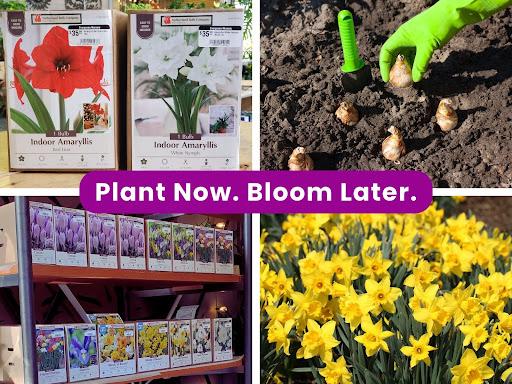
Yes, spring bulbs belong in a front yard California native garden, and mid-November through early December is the perfect time to plant them in the East Bay. Our cool, rainy winters give bulbs everything they need, and most go dormant by summer, right when your native plants prefer to be left alone. Here's how to tuck them in, fix our heavy clay, and pick bulbs that fit a low-water front yard.
Why Bulbs Work in a Front Yard California Native Garden
A native front yard can look quiet in winter. Bulbs fill that gap with color while the rest of the garden rests.
They also match the rhythm of a Mediterranean climate. Bulbs grow and bloom during the wet months, then die back and sleep through our dry summers, so they need no extra summer water. Because bulbs are small, you can plant them in the gaps between young shrubs, along a pathway, or in pots by the front door without redesigning anything.
When to Plant Spring Bulbs in the East Bay
In San Leandro, Oakland, and the surrounding East Bay, spring bulbs go in once nights cool down, usually October through December, according to the UC Master Gardeners of Contra Costa County. Mid-November sits right in the sweet spot, and most bulbs can be planted through early December. Your microclimate matters, too. A cool hillside yard and a sunny yard in the flats can differ by a week or two.
Native Bulbs vs. Classic Spring Bulbs
For a true native look, ask our staff about California native bulbs when you visit. Selection changes with the season, so we'll tell you what's on hand. You can also browse our California natives to plan the plants that will surround your bulbs.
Classic spring bulbs aren't natives, but they play well with them. They bloom reliably in our mild winters and look intentional tucked between native shrubs.
Our 5 Outdoor Bulbs for Spring Color
Narcissus (Daffodils)
The low-maintenance overachiever. Daffodils naturalize easily, coming back and multiplying year after year, and gophers and deer leave them alone. Plant them in clusters for the biggest impact.
Freesia
Freesias are originally native to South Africa, but they feel at home in our Mediterranean climate. Plant them in groups near a walkway or entry where you'll catch the scent.
Dutch Iris
The elegant blue-purple iris of spring florist bouquets. Dutch Iris love full sun and good drainage. Plant them in groups.
Crocus
Low-growing and cheerful, crocus are among the earliest bulbs to bloom. They get enough natural chill outdoors here, so no fridge time is needed. Tuck them along borders or in pots where you'll see them up close.
Tulips
The showstoppers. Standard hybrid tulips often behave like annuals in mild-winter areas, so many gardeners plant fresh bulbs each fall. Species tulips are more likely to come back year after year. Gophers and squirrels love tulips, so plan accordingly (see our Pro Tip below).
Do Tulips Need to Be Chilled First?
No, it's optional. The UC Master Gardeners of Contra Costa County suggest about 6 to 8 weeks of chilling for our zone if you go that route. On the other hand, the UC Master Gardeners of Napa County report a Northern California trial where pre-chilled tulips bloomed only about two weeks earlier, with slightly taller stems.
Our take: chill them for extra height and polish, or plant this weekend and enjoy the show either way.
Pro Tip: If you do chill tulips, keep them in a ventilated paper bag in the crisper drawer, and never store them next to apples or other ripening fruit. The gas ripening fruit releases can damage the flower inside the bulb.
How to Plant Bulbs in Your Front Yard Garden
1. Pick a Sunny Spot
Choose a spot that gets plenty of sun while the bulbs are growing and blooming.
2. Fix Drainage First
Bulbs rot quickly in soggy soil, and heavy East Bay clay holds water like a sponge. In our experience, compost alone is never enough to fix it. For real drainage, aeration, and soil structure, mix E.B. Stone Volcanic Pumice into the planting area. Then blend in E.B. Stone Top Soil Plus, a compost-based amendment with no added fertilizers, for organic matter. Skip sand, which tends to create more problems in clay than it solves.
If your yard still drains poorly, plant in raised beds, mounds, or containers. Not sure how your soil drains? Our El Niño garden prep guide can help.
3. Plant at the Right Depth
Set each bulb pointy end up. The Contra Costa UC Master Gardeners recommend planting about three times as deep as the bulb is wide. A 2-inch tulip or daffodil bulb goes about 6 inches deep, while small bulbs like crocus and freesia sit just a few inches down. When in doubt, check the package.
4. Water, Mulch, and Relax
Water well after planting and add 2 to 3 inches of mulch. Winter rains usually take it from there. Water during dry spells so the soil stays lightly moist.
Pro Tip: Gophers and squirrels treat tulip bulbs like a snack bar. Plant tulips in wire baskets sunk into the ground, in raised beds, or in containers. Or plant daffodils alongside, since critters skip them.
Bulbs in Pots for Entryways and Patios
A pot by the front door adds a welcoming splash, and it works when you have no bare soil to spare.
-
Choose a deep pot with drainage holes.
-
Fill it with a quality, well-draining potting mix.
-
Crowd bulbs closer together than in the ground for a full display.
-
Try "bulb lasagna" layering: tulips at the bottom, daffodils or Dutch Iris in the middle, crocus on top.
Indoor Bulbs to Plant Now
Paperwhites need no cold period. The industry resource Dig.Drop.Done. says they bloom about 5 to 6 weeks after planting, so bulbs started now flower around the holidays. Set them pointy end up in a bowl of pebbles with water just below the base of the bulbs, since water touching them can cause rot. Cool rooms (60 to 65°F) keep them from flopping.
Amaryllis brings bold color after the holidays. Choose a deep pot no more than 2 inches wider than the bulb and leave the top third above the mix, as the UC Master Gardeners of Santa Clara County recommend. Most bloom 8 to 10 weeks after planting, per Dig.Drop.Done.
Read More: How to Plant Spring Bulbs in the East Bay (Plus Paperwhites and Amaryllis for Winter Color)
Frequently Asked Questions
Is it too late to plant spring bulbs in November?
Not at all. November is ideal in the East Bay, and most bulbs can go in through early December.
Can I plant bulbs in a California native garden?
Yes. Bulbs bloom in our wet season and rest through the dry summer, so they suit a low-water native garden. Plant them in well-drained soil among your natives or in pots near the entry.
Do I need to dig up my bulbs after they bloom?
No. Let the leaves yellow and die back naturally, since they're recharging the bulb for next year. Daffodils often return and multiply, while hybrid tulips usually perform best as fresh bulbs each fall.
Are spring bulbs safe for dogs and cats?
Mostly not. The ASPCA warns that tulips, daffodils, and iris can cause vomiting, diarrhea, and drooling, with the most toxin in the bulbs. Spring crocus can cause stomach upset, and Paperwhites and Amaryllis are also toxic to pets. Check any bulb in the ASPCA plant database before planting where pets roam.
Do bulbs need fertilizer?
Not at planting time. Healthy bulbs already hold the nutrients for this season's bloom. Adding some organic compost helps them recharge for next year.

 English
 Arabic
 French
 Spanish
 Portuguese
 Deutsch
 Turkish
 Italiano
 Russian
 Romaian
 Portuguese (Brazil)
 Greek