


How to Balance Your Dream Home Features With a Realistic Construction Budget
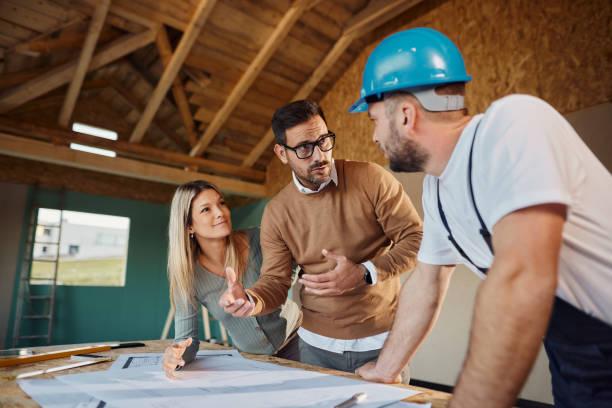
Building a dream home sounds exciting until the numbers start getting bigger than expected. You have ideas for spacious rooms, modern finishes, a beautiful kitchen, and maybe a backyard setup that feels like a private retreat. But all those features come with a price. Working with custom home builders in Houston can help you turn your ideas into a practical building plan, but the real challenge is knowing where to spend and where to hold back. Let's be real, most homeowners have a wishlist that doesn't always match their bank account. That's not a bad thing. It just means you need to make smarter decisions before construction starts.
Start With a Budget That Actually Makes Sense
Before choosing flooring, cabinets, or fancy lighting, figure out how much you can realistically spend on the entire project. Don't just look at the amount you want to invest in construction. Consider land costs, permits, design fees, utility connections, landscaping, and other expenses that can sneak up on you. A budget should also include a contingency fund for unexpected problems. Construction rarely goes exactly as planned. Materials may cost more, site conditions can create delays, or you might discover something that needs changing halfway through the project. Having extra money set aside can prevent these situations from becoming major financial headaches. Start with your actual financial limits, not the number you hope everything will cost.
Separate Must-Have Features From Nice-to-Have Upgrades
Every homeowner has certain features they simply don't want to compromise on. Maybe it's a large primary bedroom, a home office, extra storage, or an open living area where the family can spend time together. These should be your priorities. Then there are features that sound great but aren't really necessary, like decorative ceiling details, oversized windows in every room, or expensive built-in furniture. Put these ideas into separate categories before making design decisions. This makes it easier to recognize which upgrades deserve your money. You don't have to give up everything you love, but you also don't need to include every idea that catches your attention. A home can still feel impressive without having the most expensive version of every feature.
Choose a Floor Plan That Supports Your Lifestyle
The layout of your home affects both construction costs and daily comfort. A larger house doesn't automatically mean a better house. Extra square footage increases expenses for materials, labor, flooring, heating, cooling, and maintenance over time. Think about how you actually use your space. If you rarely host large gatherings, a huge formal dining room may not be worth the investment. If you work from home, a dedicated office could be more useful than an extra guest bedroom. Smart floor plans make better use of available space and reduce the need for unnecessary additions. Even a smaller home can feel spacious when the rooms are arranged properly, natural light is used well, and storage is planned from the beginning.
Spend Money Where It Makes a Difference
Some construction decisions are worth spending extra money on because they affect the home's comfort, durability, or long-term value. Quality insulation, energy-efficient windows, reliable plumbing, and properly installed roofing are good examples. These features might not be the most exciting parts of a new home, but they can save you money and trouble later. Cheap materials aren't always cheaper in the long run. Replacing a poor-quality system after a few years is frustrating, and nobody wants to deal with that. At the same time, expensive finishes don't always offer the same return. Focus on structural quality and functional improvements first. Decorative upgrades can be added later, when your budget allows.
Make Kitchen and Bathroom Upgrades Carefully
Kitchens and bathrooms are often where construction budgets start getting out of control. Custom cabinets, stone countertops, premium fixtures, designer tile, and specialty appliances can quickly add thousands of dollars to the project. If you're planning kitchen Remodeling in Houston, consider which features will improve everyday use rather than simply look impressive in photos. A practical kitchen layout, durable countertops, good lighting, and sufficient storage can make a huge difference. You may not need the most expensive cabinetry or an oversized island to create a functional space. The same approach applies to bathrooms. Choose quality fixtures and materials that are easy to maintain, then limit expensive decorative upgrades to a few areas where they really stand out.
Get Clear Construction Estimates and Compare Options
Construction estimates should be detailed enough that you understand what you're paying for. Don't settle for a single total without knowing what is included. Ask about labor, materials, allowances, permits, site preparation, and potential additional charges. When comparing contractors, make sure you're comparing similar specifications. One estimate might include higher-quality windows or more extensive site work than another, which can explain the price difference. Discuss your budget openly with your builder and ask where adjustments can be made without compromising the home's quality. Experienced contractors can often suggest alternative materials or construction methods that keep costs manageable. Clear communication at this stage can prevent expensive surprises later on.
Avoid Changing Plans During Construction
Changing your mind once construction is underway can cost more than you expect. Moving a wall, changing plumbing locations, upgrading cabinets, or adding new electrical features may involve additional labor, materials, and delays. Some changes are unavoidable, but many happen because decisions weren't finalized early enough. Take your time reviewing drawings, finishes, and specifications before approving the construction plan. Walk through the proposed layout and think about how each room will function. Ask questions while there's still time to make adjustments on paper. It's much easier and cheaper to change a design before the workers are on site than after they have already started building it.
Conclusion: Build a Home That Fits Your Budget and Your Life
A dream home isn't about including every expensive feature available. It's about creating a space that feels comfortable, works for your family, and doesn't leave you struggling financially after construction is complete. Prioritize essential features, choose practical materials, and keep some flexibility in your budget. Work closely with your builder, communicate your expectations, and don't be afraid to question costs when something seems unnecessary. The best home is one that meets your needs today while leaving room for the future. Make thoughtful decisions now, and you'll enjoy the finished house a lot more without worrying about how much you spent to get there.

 English
 Arabic
 French
 Portuguese
 Deutsch
 Turkish
 Dutch
 Italiano
 Russian
 Romaian
 Portuguese (Brazil)
 Greek