


Healthy Eating Meal Plan for Weight Loss: A Complete Guide for Beginners
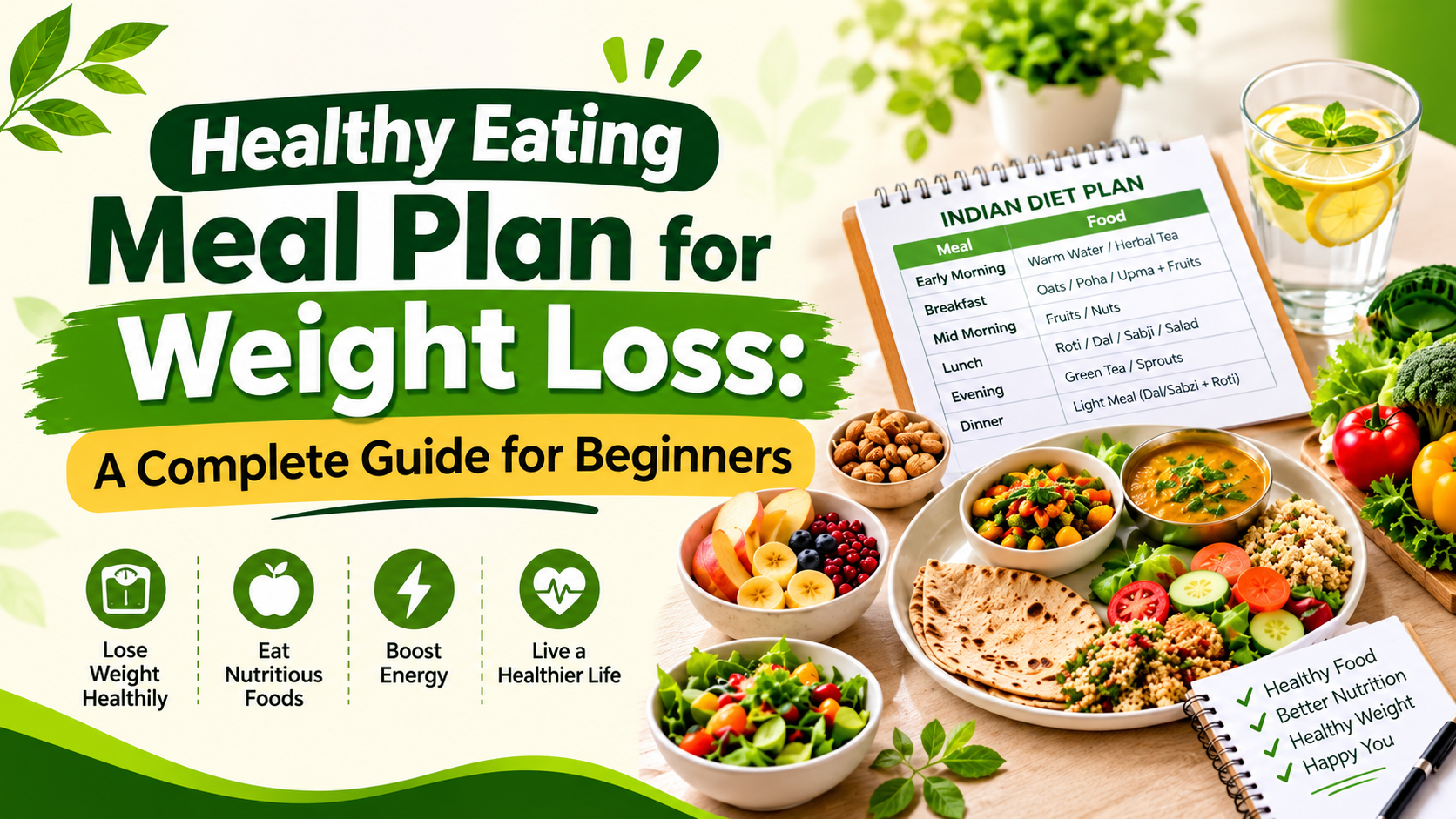
Healthy Eating Meal Plan for Weight Loss: A Complete Guide for Beginners
Starting your path to a healthier weight may seem difficult initially. Every app, influencer and relative has a different opinion: skip dinner, cut rice, drink detox water, eat only fruit. Most of it is noise. What actually works is a Healthy Eating Meal Plan for Weight Loss that is balanced, realistic and built around the food you already enjoy.
At Richa’s Fitness Lab, we work with women across India who are tired of crash diets that deliver a few kilos and then take them back. This guide covers what a good plan looks like, how to build one with everyday Indian ingredients, and how to stay consistent when life gets busy.
What Is a Healthy Eating Meal Plan for Weight Loss?
A Healthy Eating Meal Plan for Weight Loss is a structured way of eating that places you in a modest calorie deficit while giving your body enough protein, fibre, healthy fats and micronutrients to function well. It is not a punishment or a list of banned foods.
A good plan has four qualities:
-
It is sustainable. You could follow it for months, not just two weeks.
-
It is balanced. Every meal includes protein, fibre and slow-digesting carbohydrates.
-
It is personal. It reflects your age, activity level, health conditions, food preferences and schedule.
-
It is flexible. It leaves room for festivals, family dinners and the occasional mithai.
This is why a one-size-fits-all PDF rarely works, and why many women eventually look for a personal nutrition coach to fine-tune their approach.
Why Fat Loss Works Differently for Women
A weight loss diet plan female readers can trust must account for physiology. Women’s bodies respond to hormones, the menstrual cycle, pregnancy, postpartum changes, PCOS, thyroid conditions and perimenopause. These factors affect appetite, water retention, energy and how quickly the scale moves.
Here is what that means in practice:
-
Don’t over-restrict. Very low-calorie diets can worsen fatigue, hair fall and hormonal irregularity.
-
Prioritise protein. Many Indian women eat too little of it, which makes fat loss harder and muscle loss more likely.
-
Expect fluctuations. Weight can rise by one to two kilograms in the days before your period because of water retention, not fat gain.
-
Eat enough iron and calcium. Deficiencies are common and affect energy and bone health.
A qualified women weight loss coach understands these nuances and adjusts your plan across different life stages rather than applying a generic template.
The Foundations of a Balanced Diet for Weight Loss
A balanced diet for weight loss rests on a few simple principles. Master these before worrying about anything advanced.
1. Create a Moderate Calorie Deficit
Fat loss happens when you consume slightly fewer calories than you burn. For most women, a deficit of roughly 300 to 500 calories below maintenance is gentle and sustainable. Larger cuts tend to backfire through hunger, cravings and rebound eating.
2. Build Every Meal Around Protein
Protein keeps you full, protects muscle and slightly increases the energy your body burns during digestion. Good vegetarian sources include dal, moong, chana, rajma, paneer, curd, tofu, sprouts and soya chunks. Eggs, fish and chicken add non-vegetarian options.
3. Fill Half Your Plate with Vegetables
Vegetables add volume, fibre and micronutrients for very few calories. Include a mix of leafy greens, gourds, cruciferous vegetables, carrots, beans and seasonal produce.
4. Choose Smart Carbohydrates
You do not need to quit roti or rice. Swap refined options for whole wheat, jowar, bajra, ragi, oats, brown rice or millets, and keep portions measured. Pairing carbohydrates with protein and fibre slows digestion and steadies energy.
5. Include Healthy Fats
Nuts, seeds, a teaspoon of ghee, mustard or groundnut oil, avocado and fatty fish support hormones and satisfaction. They are calorie-dense, so portions matter.
6. Hydrate and Sleep
Thirst is often mistaken for hunger, and poor sleep raises cravings for sugary, fried foods. Aim for 2 to 3 litres of water daily, depending on climate and activity, and 7 to 8 hours of sleep.
The Indian Plate Method: A Simple Portion Guide
If counting calories feels daunting, start with this visual guide for an Indian meal plan for fat loss:
-
Half the plate: non-starchy vegetables (sabzi, salad, sautéed greens)
-
A quarter of the plate: protein (dal, paneer, egg, fish, chicken, sprouts)
-
A quarter of the plate: whole-grain carbohydrates (1 to 2 rotis or about ¾ cup cooked rice or millet)
-
On the side: a bowl of curd or buttermilk, plus a small portion of healthy fat
This approach works at home, at a restaurant or at a wedding buffet. No app is required.
Sample 7-Day Indian Meal Plan for Fat Loss
Below is an illustrative plan for a moderately active woman. It is designed to offer direction, not rigid instructions . Portions and calories should be personalised.
|
Day |
Breakfast |
Mid-Morning |
Lunch |
Evening Snack |
Dinner |
|
Monday |
Vegetable poha with peanuts + 1 boiled egg or curd |
Apple |
2 rotis, moong dal, bhindi sabzi, salad |
Roasted chana |
Grilled paneer or tofu with sautéed vegetables |
|
Tuesday |
Besan chilla (2) with mint chutney |
Buttermilk |
Brown rice, rajma, cucumber raita |
Handful of almonds |
Vegetable khichdi with curd |
|
Wednesday |
Oats upma with vegetables |
Orange or guava |
2 jowar rotis, mixed dal, lauki sabzi |
Sprouts chaat |
Chicken or soya curry with salad |
|
Thursday |
Moong dal cheela with curd |
Coconut water |
Quinoa or millet pulao, chana masala, salad |
Makhana |
Palak paneer with 1 roti |
|
Friday |
Idli (3) with sambar |
Papaya |
2 rotis, fish curry or egg curry, greens |
Green tea + roasted seeds |
Vegetable soup + paneer tikka |
|
Saturday |
Paneer-stuffed paratha (1) with curd |
Seasonal fruit |
Curd rice, dal, beans poriyal |
Cucumber and carrot sticks with hummus |
Stir-fried tofu and vegetables |
|
Sunday |
Vegetable omelette or tofu bhurji + 1 toast |
Buttermilk |
Vegetable biryani (small portion) with raita |
Fruit bowl |
Dal soup with salad |
Notice that the plan uses ordinary ingredients available in any Indian market, from metro cities to smaller towns. Nothing is imported or expensive.
Smart Swaps That Make a Big Difference
Small changes add up. Consider these easy upgrades:
-
Replace maida-based snacks with roasted chana, makhana or fruit.
-
Swap sugary chai with a smaller cup and less sugar, or try green tea.
-
Choose baked or air-fried options over deep-fried samosas and pakoras.
-
Use curd and spices in place of heavy cream-based gravies.
-
Replace packaged juice with whole fruit for added fibre.
-
Opt for homemade sattu drinks or nimbu pani without added sugar.
Common Mistakes Beginners Make
Avoiding these pitfalls saves months of frustration.
Skipping meals. Missing breakfast or dinner often leads to overeating later and slows consistency.
Cutting carbs entirely. Extreme restriction is hard to maintain and can affect mood and energy.
Relying on “healthy” packaged foods. Many protein bars, granola and diet snacks are high in sugar and calories.
Ignoring portion sizes. Even nutritious foods like nuts, ghee and fruit can stall progress when portions are large.
Expecting linear progress. Weight naturally fluctuates. Look at trends over weeks, not days.
Doing it alone without feedback. Without accountability, motivation fades. This is where an online health coach adds real value.
How to Plan Your Week in Four Steps
Consistency matters more than perfection. Use this simple routine:
-
Pick your plan days. Decide on your meals for the week every Sunday.
-
Shop once or twice. Buy vegetables, lentils, curd, eggs or paneer and whole grains in advance.
-
Prep ahead. Chop vegetables, soak dal, boil chana and portion snacks to save time on busy days.
-
Review weekly. Check energy, hunger, sleep, measurements and weight trends, and adjust.
When to Work with a Professional
You can begin a Healthy Eating Meal Plan for Weight Loss on your own, but professional support helps if you have any of the following:
-
PCOS or PCOD, thyroid disorders, diabetes or high blood pressure
-
A history of yo-yo dieting
-
Postpartum weight concerns
-
Plateaus lasting more than a month
-
Difficulty staying consistent
A registered dietitian plan for weight loss is especially important when medical conditions are involved. Always consult your doctor before making major dietary changes, particularly if you take medication, are pregnant or are breastfeeding.
How Richa’s Fitness Lab Can Help
At Richa’s Fitness Lab, our approach combines practical nutrition, simple strength-friendly routines and consistent accountability. Whether you are a working professional in Delhi NCR, a homemaker in Mumbai, a student in Bengaluru or an NRI who misses home-style food, our online coaching adapts to your schedule, kitchen and goals.
What you can expect:
-
A personalised Indian meal plan for fat loss built around your food preferences
-
Guidance from an experienced women weight loss coach who understands hormonal and lifestyle realities
-
Regular check-ins with a personal nutrition coach to adjust portions and habits
-
Flexible online health coach support through chat and video calls, so you can start from anywhere in India
-
Practical tips for festivals, travel, eating out and family meals
Conclusion
A truly effective Healthy Eating Meal Plan for Weight Loss isn’t built on starvation or trends. It is built on balanced meals, sensible portions, enough protein, good sleep and habits you can repeat. Start with small changes: add a protein source to every meal, fill half your plate with vegetables, swap one refined snack for a wholesome option, and track your progress with patience.
Remember that results take time. Celebrate non-scale victories like better energy, improved sleep and clothes fitting more comfortably. And if you want expert guidance, Richa’s Fitness Lab is here to help you build a plan that fits your life.
Frequently Asked Questions (FAQ)
1. How many calories should I eat on a Healthy Eating Meal Plan for Weight Loss?
Calorie needs depend on your age, height, weight, activity level and health. Most women lose fat steadily with a moderate deficit of roughly 300 to 500 calories below maintenance, not extreme cuts. Very low intake slows metabolism, drains energy and triggers binges. A personal nutrition coach or dietitian can calculate a safe target for you, then adjust it every few weeks as your body changes.
2. Can I follow an Indian meal plan for fat loss without giving up roti and rice?
Yes. An Indian meal plan for fat loss works when portions and pairings are right. Choose one or two rotis made from whole wheat or millet, or a measured cup of rice, and pair them with plenty of dal, vegetables and curd. Protein and fibre keep you full, so carbohydrates need not be banned. Consistency and portion control matter far more than eliminating favourite staples.
3. How fast can I lose weight with a weight loss diet plan female beginners can follow?
A safe pace is about 0.5 to 1 kilogram per week, though early weeks may show faster changes from water loss. Progress is rarely linear because hormones, sleep, stress and your menstrual cycle affect the scale. Track waist measurements, energy and how clothes fit alongside weight. If you are not seeing changes after three to four consistent weeks, review portions and activity with your women weight loss coach.
4. Do I need an online health coach or dietitian plan for weight loss?
You can start alone, but guidance speeds results and prevents mistakes. An online health coach offers accountability, flexible check-ins and a plan built around your routine, wherever you live in India. If you have PCOS, thyroid issues, diabetes or other conditions, choose a registered dietitian plan for weight loss and consult your doctor first, since medical needs change what is safe.

 English
 Arabic
 French
 Portuguese
 Deutsch
 Turkish
 Dutch
 Italiano
 Russian
 Romaian
 Portuguese (Brazil)
 Greek