


Which Roller Materials Work Best With Pool Coatings and Chemical-Based Paints?
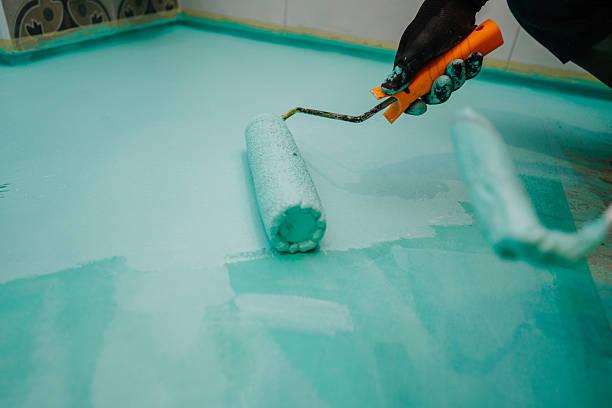
Painting a pool is not quite the same as painting a bedroom wall or a concrete floor. The surface has to handle water, chemicals, sunlight, and regular cleaning. That puts more pressure on the coating, but also on the tools used to apply it. A good paint can still produce a poor finish if the roller leaves lint, creates bubbles, or struggles to spread the material evenly. Choosing the best roller for epoxy pool paint means looking beyond roller size. The material, nap length, chemical resistance, and surface condition all matter. And honestly, using whatever roller happens to be lying around in the garage is not always a smart move.
Why Roller Material Matters When Applying Pool Coatings
Pool coatings are often thicker and more demanding than ordinary interior paints. Epoxy, rubber-based pool paint, and other chemical-resistant coatings have different application requirements. Some need a roller that can handle heavy material without becoming saturated too quickly. Others require a smoother finish with minimal texture. Roller material affects how much paint gets picked up, how evenly it gets released, and whether the fibers stay intact during application. A roller that works well with standard latex paint might soften, shed fibers, or become difficult to move when exposed to certain coating chemicals. That's where people run into trouble. The coating itself may be perfectly fine, but the wrong applicator creates a finish that looks uneven.
Synthetic Roller Covers for Epoxy and Chemical-Based Paints
Synthetic roller covers made from materials such as nylon, polyester, or a blend of both are commonly used for demanding coating jobs. They generally offer good durability and maintain their shape during application. Polyester covers are useful for spreading many water-based coatings, while nylon can provide better resistance to wear and work with certain solvent-based products. However, there isn't one synthetic material that works with every chemical coating. Always check the paint manufacturer's application instructions before buying. Some epoxy systems contain solvents or other ingredients that may affect particular roller fibers or adhesives. A compatible synthetic cover helps maintain consistent paint release, which makes a difference when covering a large pool floor or wall. It also reduces the chance of stopping halfway through because the roller has started falling apart.
Polyamide Rollers for Tough Coating Applications
Polyamide roller covers are worth considering when working with thicker paints and protective coatings. They're known for durability, good paint pickup, and controlled release. That combination can be useful when applying epoxy pool coatings across rough concrete or previously coated surfaces. Polyamide fibers can hold a reasonable amount of material without losing their working shape too quickly. They also tend to handle repeated rolling better than some cheaper covers. Still, don't assume every polyamide roller is suitable for every two-part epoxy product. Chemical compatibility depends on the coating formulation and the roller's construction. Check the manufacturer's recommendations first. A quality cover should move smoothly across the surface, without leaving loose fibers behind or producing obvious roller marks.
Natural Fiber Rollers and Their Limitations
Natural fiber rollers, including wool covers, have traditionally been used with certain oil-based paints and solvent-based coatings. They offer good paint absorption and can distribute heavier materials effectively. However, they aren't automatically the best choice for modern pool coatings. Some natural fiber covers may shed, especially when new or poorly manufactured. That becomes a problem when you're trying to create a clean, uniform finish on a pool surface. Loose fibers can get trapped in wet paint and remain visible after curing. Natural fibers can also behave differently depending on the coating chemistry and cleaning products used. If the coating manufacturer specifically recommends a wool or natural fiber cover, follow that guidance. Otherwise, a compatible synthetic or polyamide option is often easier to manage.
Choosing the Right Nap Length for Pool Surfaces
Roller material is only part of the decision. Nap length matters just as much. Smooth fiberglass or previously coated pool surfaces generally need a shorter nap because they don't require much material to cover the surface. A shorter nap can help produce a more even finish with less texture. Concrete pools are different. Their surfaces may contain small pits, pores, and rough patches where paint needs to reach. A medium nap can help push coating into these areas without making the finish excessively thick. Longer naps can hold more paint, but they may leave unwanted texture or apply too much material in one pass. The goal is not to cover everything in one heavy coat. Follow the coating instructions for the recommended roller thickness and application rate.
Foam Rollers: Are They Suitable for Chemical Paints?
Foam rollers look convenient, especially when the goal is a smooth finish. They can work with certain compatible coatings on flat surfaces, but they're not a universal solution. Some solvents can damage ordinary foam, causing it to swell, soften, or break down during application. That can leave pieces of foam in the coating, which is the last thing anyone wants in a freshly painted pool. Foam rollers may also struggle with thick epoxy products because they don't always provide the paint capacity needed for larger areas. Before using one, confirm that the foam material is approved for the specific paint chemistry. If the manufacturer recommends a woven roller cover instead, there's probably a reason.
Matching Roller Quality With Pool Coating Preparation
Even the best roller won't fix a badly prepared pool surface. Concrete should be properly cleaned, repaired, and prepared according to the coating system. Old loose paint, dirt, grease, and remaining cleaning chemicals can interfere with adhesion. The surface also needs to meet the moisture requirements listed by the coating manufacturer. Once preparation is complete, inspect the roller cover before starting. Remove loose fibers, check for damaged edges, and make sure the roller fits its frame properly. Cheap covers can sometimes save a few dollars upfront, but replacing a damaged roller halfway through a coating job costs time and creates inconsistency. If you're comparing paint rollers for sale, pay attention to the listed fiber material, nap length, coating compatibility, and intended application rather than choosing only by price.
Conclusion
Choosing the right roller for pool coatings comes down to understanding the material you're applying and the surface you're working on. Synthetic and polyamide covers are useful options for many epoxy and chemical-based applications, while natural fiber and foam rollers have more specific uses. Nap length also plays a big role in how evenly the coating spreads. But don't guess when it comes to chemical compatibility. Read the coating manufacturer's instructions and select an approved roller cover. A little attention before the job starts can prevent fiber contamination, uneven coverage, and unnecessary rework. Pool painting already takes enough effort. There's no good reason to make it harder by using the wrong roller.

 English
 Arabic
 French
 Spanish
 Portuguese
 Deutsch
 Turkish
 Italiano
 Russian
 Romaian
 Portuguese (Brazil)
 Greek