


Vermont's Approach to Responsible Woodland Management and Conservation
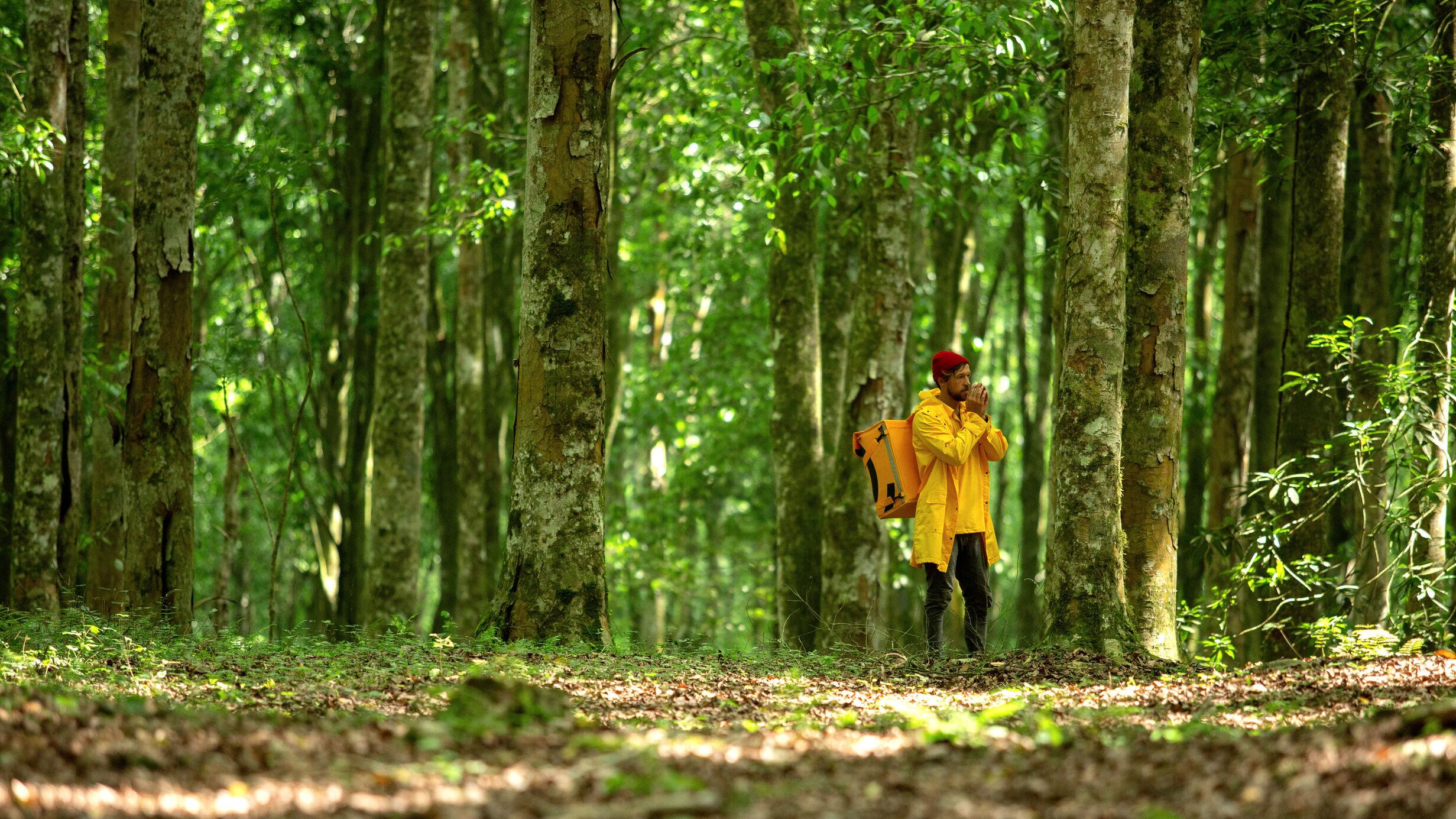
Explore sustainable forest management practices in Vermont, covering conservation strategies, timber harvesting, wildlife habitat protection, and long-term climate resilience planning.
Vermont’s forests cover roughly three-quarters of the state, making them central to the region’s environmental health and rural economy. Effective forest management practices in Vermont combine ecological science with responsible land use to preserve biodiversity, support sustainable timber production, and protect water resources. From the Northeast Kingdom to the southern Green Mountains, landowners and foresters apply strategies that reflect the state’s unique mix of northern hardwoods, spruce-fir, and mixed woodlands.
Understanding Vermont’s Forest Landscape
Vermont’s forest composition varies by elevation and geography. Lower elevations feature maple, beech, and birch, while higher slopes support spruce and fir. These ecosystems provide habitat for species such as black bear, moose, and songbirds. Because forests intercept rainfall and stabilize slopes, management decisions directly affect downstream water quality and flood resilience. Recognizing these connections is the first step in developing sound forest management practices in Vermont that serve both people and nature.
Core Forest Management Practices Vermont
Sustainable Timber Harvesting
Selective cutting and shelterwood systems allow forests to regenerate naturally while producing wood products. Foresters often mark individual trees for removal, maintaining canopy cover and minimizing soil disturbance. Certification standards guide many operations, ensuring that harvests align with long-term growth rates.
Wildlife Habitat Conservation
Retaining snags, downed logs, and mast-producing trees supports diverse wildlife. Some managers create young forest patches to benefit species like ruffed grouse and New England cottontail, while preserving older stands for interior forest birds.
Invasive Species Control
Plants such as Japanese barberry and bush honeysuckle can crowd out native seedlings. Early detection and targeted removal are essential components of modern forest management practices in Vermont, especially near trails and forest edges.
Water Quality and Soil Protection
Best management practices include buffer zones along streams, properly sized culverts, and seasonal restrictions on heavy equipment. These measures reduce erosion and protect aquatic habitats during logging or road maintenance.
The Role of Public and Private Landowners
Most Vermont forestland is privately owned, often by families and individuals. State programs offer technical assistance and current-use taxation to encourage long-term stewardship. Public lands, including state forests and wildlife management areas, demonstrate models of multi-use management that balance recreation, conservation, and timber goals.
Climate Change and Adaptive Management
Warmer temperatures and shifting precipitation patterns are altering pest pressures and tree species ranges. Adaptive forest management practices in Vermont now include planting climate-resilient species, monitoring forest health, and managing for carbon storage. These approaches help forests remain productive and ecologically functional under changing conditions.
Conclusion
Forest management practices in Vermont reflect a commitment to keeping working forests healthy for future generations. By integrating science, local knowledge, and careful planning, land managers protect the state’s woodlands while supporting the communities that depend on them.

 English
 Arabic
 French
 Spanish
 Portuguese
 Turkish
 Dutch
 Italiano
 Russian
 Romaian
 Portuguese (Brazil)
 Greek