


Restaurant Design Strategies for Building a Strong Brand Identity
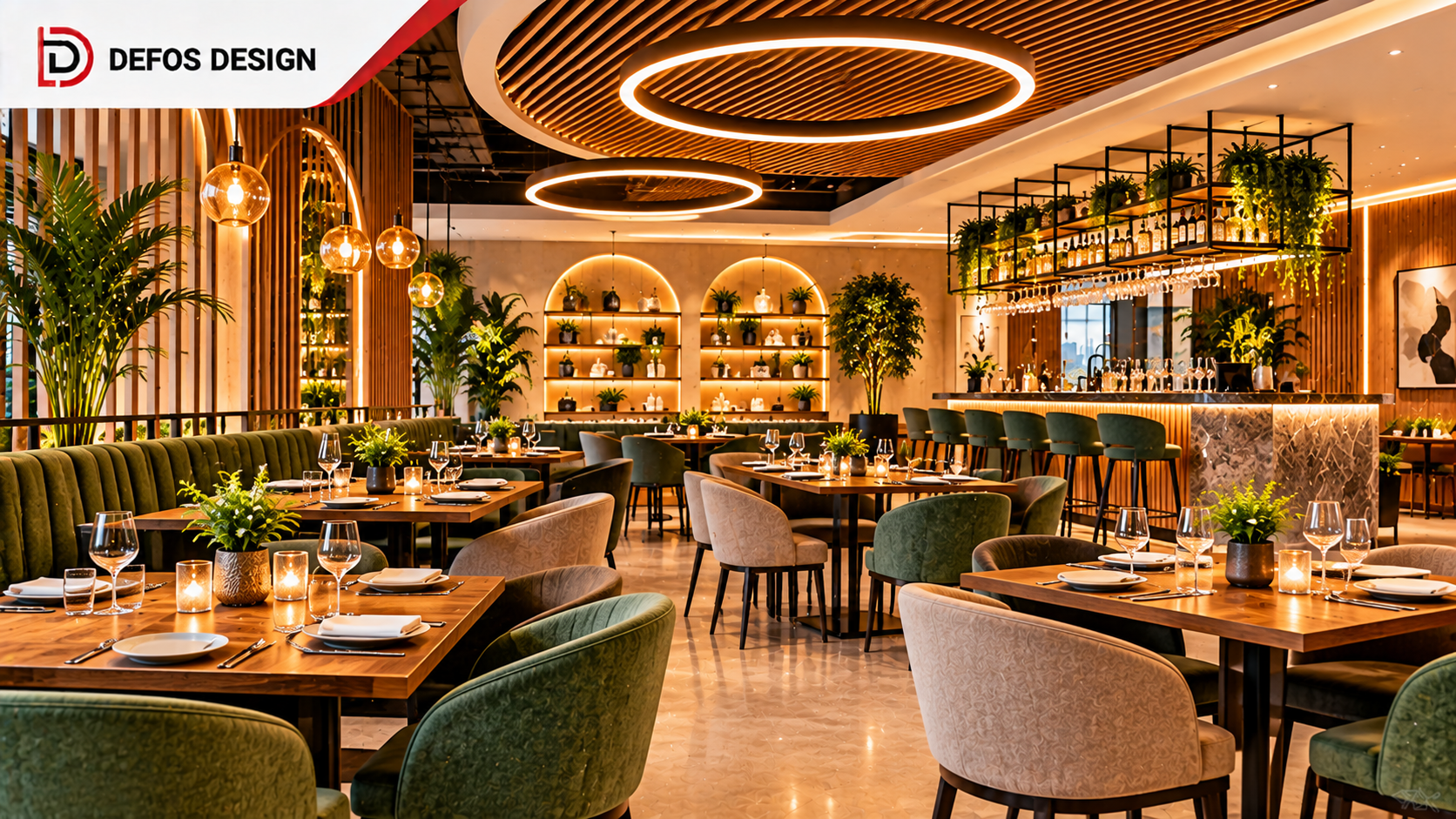
Customers often notice a restaurant’s interior before they explore its menu. The colours, furniture, lighting and decorative elements create an impression that influences how people perceive the business. A distinctive interior can also help a restaurant stand out in a competitive hospitality market.
Investing in professional Restaurant Design allows business owners to communicate their brand values through physical spaces. From premium dining establishments to modern cafés and franchise outlets, a consistent interior concept helps create a recognisable and memorable dining environment.
How Does Restaurant Interior Design Influence Brand Identity?
Brand identity extends beyond logos, menus and marketing campaigns. It includes the entire experience customers have when visiting a restaurant.
A thoughtfully designed interior communicates the personality of a business through visual and functional elements. For example, a traditional restaurant may incorporate natural wood and cultural artwork, while a contemporary café may feature minimalist furniture and neutral colours. A consistent design theme helps customers associate the dining environment with the brand.
Essential Design Strategies for Creating a Recognisable Restaurant
Restaurant owners should develop a clear interior strategy before investing in furniture, decorative materials and installation services.
1. Develop a Consistent Design Theme
The interior theme should reflect the restaurant's cuisine, target audience and business objectives. Every design element should complement the overall concept.
Businesses investing in Restaurant Design in India should also consider regional preferences, cultural influences and changing customer expectations when developing their interior concepts. A well-defined theme creates visual consistency and helps businesses maintain a distinctive market presence.
2. Choose Colours That Reflect Brand Personality
Colours contribute to the atmosphere of a dining establishment. They also help reinforce visual brand identity.
Restaurant owners can explore different colour combinations, such as:
-
Earthy tones for traditional dining spaces
-
Neutral shades for contemporary restaurants
-
Vibrant colours for casual dining outlets
-
Dark tones for premium dining environments
-
Pastel shades for modern cafés
The selected colour palette should remain consistent across furniture, walls, signage and decorative elements.
3. Invest in Customised Restaurant Furniture
Furniture serves both functional and branding purposes. Custom seating arrangements, dining tables and service counters can help businesses establish a distinctive interior style.
Furniture should provide adequate comfort, structural stability and ease of maintenance. Business owners should also consider how different furniture arrangements accommodate individual guests, families and larger groups. Durable materials and suitable finishes can support everyday commercial use.
4. Incorporate Creative Lighting Solutions
Lighting can highlight architectural features, decorative artwork and branded display areas. It also contributes to customer comfort and the overall dining atmosphere.
Professional Restaurant Interior Designing Services can help businesses integrate different lighting techniques that complement their brand concept. Pendant lights, recessed lighting, wall fixtures and decorative lighting offer several possibilities for creating distinctive dining environments.
5. Integrate Branded Decorative Elements
Decorative features provide opportunities to communicate a restaurant's story without relying entirely on traditional advertising. Businesses can incorporate custom wall graphics, illuminated logos, cultural artwork, branded partitions and decorative installations.
These elements should complement the interior rather than overwhelm customers. Strategic placement can create attractive focal points while maintaining a balanced visual environment.
Maintaining Brand Consistency Across Multiple Restaurant Outlets
Restaurant chains and franchise businesses need a consistent visual identity across different locations. However, variations in floor area, building layouts and local requirements can make standardisation challenging.
Businesses can address these challenges by developing standard design guidelines that cover:
-
Brand colours and interior themes
-
Furniture specifications
-
Lighting arrangements
-
Signage and logo placement
-
Decorative materials
-
Wall and flooring finishes
Standardised guidelines allow businesses to maintain a recognisable identity while adapting individual outlets to their available space.
How to Select the Right Restaurant Design Partner
Choosing a suitable interior design partner requires more than comparing project quotations. Business owners should evaluate creative capabilities, manufacturing resources and installation expertise.
When comparing Restaurant Design Companies, businesses should review previous projects, material specifications, customisation options and project execution capabilities.
An experienced design partner should understand brand requirements and translate them into practical interior solutions. Clear communication regarding budgets, material selection and installation schedules can also help minimise unexpected project expenses.
Emerging Trends in Restaurant Interior Branding
Modern hospitality businesses are exploring creative ways to differentiate their dining environments. Interior concepts increasingly combine functionality, technology and personalised experiences.
Some notable design approaches include:
-
Nature-inspired interiors
-
Modular restaurant furniture
-
Interactive digital displays
-
Locally inspired decorative elements
-
Minimalist interior concepts
-
Social media-friendly feature walls
-
Reclaimed and responsibly sourced materials
Restaurant owners should evaluate these approaches according to their business model rather than adopting trends that do not complement their brand.
Develop Your Restaurant Brand Identity with Defos Design
Creating a recognisable dining environment requires creativity, technical planning and attention to detail. Every interior element should contribute to a unified brand experience. Defos Design offers customised commercial interior solutions for businesses investing in Restaurant Interior Design in India.
The company focuses on combining creative design concepts, functional spaces and customised interior elements to meet individual business requirements. From independent dining establishments to expanding restaurant chains, Defos Design helps businesses develop interior environments that reflect their brand personality.
Conclusion
A distinctive restaurant interior is an important part of building a recognisable hospitality brand. Consistent colours, customised furniture, creative lighting and branded decorative elements help communicate business values through physical spaces.
By investing in thoughtful interior planning, restaurant owners can create a memorable dining environment while maintaining brand consistency. Connect with Defos Design to explore customised interior solutions for your next restaurant project.
Frequently Asked Questions (FAQs)
1. How does restaurant interior design support brand identity?
A consistent interior theme, colour palette, furniture selection and decorative elements help communicate a restaurant's brand personality.
2. Why is customised furniture important for restaurants?
Customised furniture helps businesses maintain visual consistency while meeting specific seating, comfort and functional requirements.
3. How can restaurant chains maintain consistent interiors?
Restaurant chains can establish standard design guidelines covering furniture, lighting, colours, materials and branded decorative elements.
4. What makes a restaurant interior memorable?
Distinctive themes, comfortable seating, creative lighting, attractive artwork and personalised decorative features contribute to a memorable dining environment.
5. Can restaurant interiors be redesigned for rebranding?
Yes, businesses can update furniture, lighting, signage, colours and interior finishes to reflect their revised brand identity.

 English
 Arabic
 French
 Spanish
 Portuguese
 Deutsch
 Turkish
 Dutch
 Italiano
 Russian
 Romaian
 Greek