


Material and Design Considerations for Modern Battery Containers
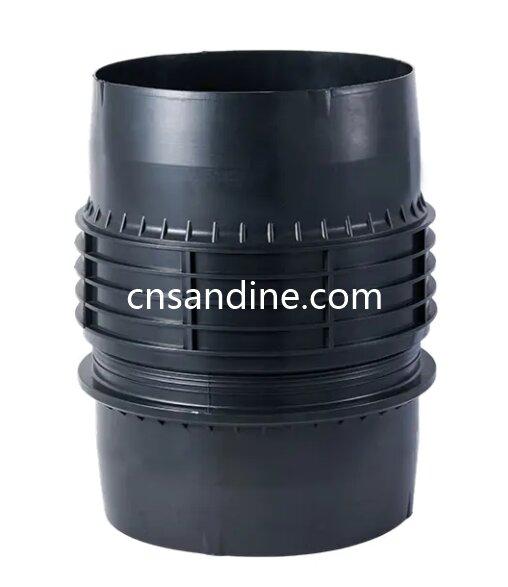
Battery-powered equipment is becoming increasingly common in portable electronics, mobility products, power tools, household devices, and industrial applications. As these products evolve, the enclosure surrounding the battery needs to provide more than basic protection. For businesses working with a Battery Container Factory, material selection, purchasing decisions, functional engineering, user experience, and visual design all influence how effectively a container supports the finished product and its intended application.
Material selection is one of the first considerations in battery container development. The chosen material should support structural stability, insulation, durability, and practical manufacturing while fitting the surrounding product design. Engineering plastics are often considered for battery-related enclosures because they allow designers to create integrated structures, fastening features, protective walls, and organized internal spaces. Other materials may be used for specialized components depending on their function within the complete enclosure.
Material properties also influence the relationship between the container and the battery system inside it. Internal components may include battery cells, wiring, connectors, protective elements, and control parts, so the housing needs to accommodate these features in an organized way. Engineers consider the interaction between the container material, internal supports, cover structure, and assembly elements during development. A well-planned material strategy can help create an enclosure that is stable, practical, and suitable for consistent production.
From a purchasing perspective, buyers should first identify the application and surrounding product requirements. A battery container for a portable consumer device may have different priorities from one used in an industrial tool, mobility product, or electronic system. Buyers can consider the operating environment, assembly method, cleaning needs, maintenance expectations, internal organization, and relationship with other components. Understanding the complete product helps companies make decisions based on actual requirements rather than choosing a container by appearance alone.
Supplier evaluation is another important part of the procurement process. Businesses can examine manufacturing experience, mould development capabilities, engineering support, quality management, communication, customization flexibility, and production organization. A reliable manufacturing partner should be able to discuss how the container will be integrated into the finished product. Taizhou Sanding Molding Co., Ltd. focuses on mould development and plastic component manufacturing, providing practical knowledge for businesses developing customized plastic enclosures and related products.
Functional engineering plays a major role in battery container design. Engineers may need to consider internal support structures, fastening points, connector access, cable routing, ventilation concepts, cover arrangements, and service access. These features influence not only product protection but also the ease of assembly and maintenance. A thoughtful design can keep internal parts organized while making the enclosure practical for production teams and service personnel.
Technology continues to improve the development of plastic battery containers. Digital design tools allow engineers to review product geometry and internal component relationships before tooling begins. Computer-assisted manufacturing can connect digital designs with mould production, while inspection systems help verify tooling and finished component quality. These processes also make it easier to refine structures when customers introduce changes during product development.
User experience should also be considered when developing battery containers. Although the container may function as a supporting component rather than the main product, its design can affect how easily the finished device is assembled, opened, handled, serviced, or transported. For consumer products, smooth surfaces, carefully considered seams, and practical access points can contribute to perceived quality. For industrial equipment, clear internal organization can help technicians perform maintenance more efficiently.
Maintenance is an important part of the product lifecycle. Battery-related products may eventually require inspection, replacement, cleaning, or servicing. A container designed with accessible components and logical internal organization can make these tasks easier. Manufacturers that consider maintenance during the design process can create enclosures that support both initial assembly and long-term service requirements.
Design and appearance increasingly influence battery-powered products as well. Some containers form part of the visible exterior, making surface quality, shape, color, and overall visual coordination important. Designers may explore clean contours, integrated branding areas, smooth surfaces, textured finishes, or discreet fastening concepts to create a more cohesive appearance. The challenge is to combine visual appeal with structural practicality.
Customization provides additional flexibility for companies serving different markets. Customers may require specialized housing forms, fastening structures, connector arrangements, surface treatments, or branding details. Flexible mould development allows manufacturers to adjust container concepts around individual product requirements while maintaining practical injection molding processes. Close cooperation between product designers, tooling engineers, and production teams can help ensure that customized ideas remain suitable for manufacturing.
Quality management connects material evaluation, product design, mould development, injection molding, assembly, inspection, and customer feedback. Consistent processes help manufacturers identify potential issues and refine future products. Feedback from production and service teams can also reveal opportunities to improve assembly convenience, internal organization, surface appearance, access, and overall usability.
Taizhou Sanding Molding Co., Ltd. continues supporting plastic product and mould development through engineering experience, manufacturing knowledge, quality-focused production, and customer-oriented cooperation. Its approach combines material awareness, functional engineering, practical user considerations, and product design to support battery container projects for different applications. More information about its products and moulding capabilities is available at https://www.cnsandine.com/product/.

 English
 Arabic
 French
 Spanish
 Portuguese
 Deutsch
 Dutch
Dutch
 Italiano
 Russian
 Romaian
 Portuguese (Brazil)
 Greek
Greek