


When Gastrointestinal Specialists & Emergency Physicians Work Together in Fort Worth
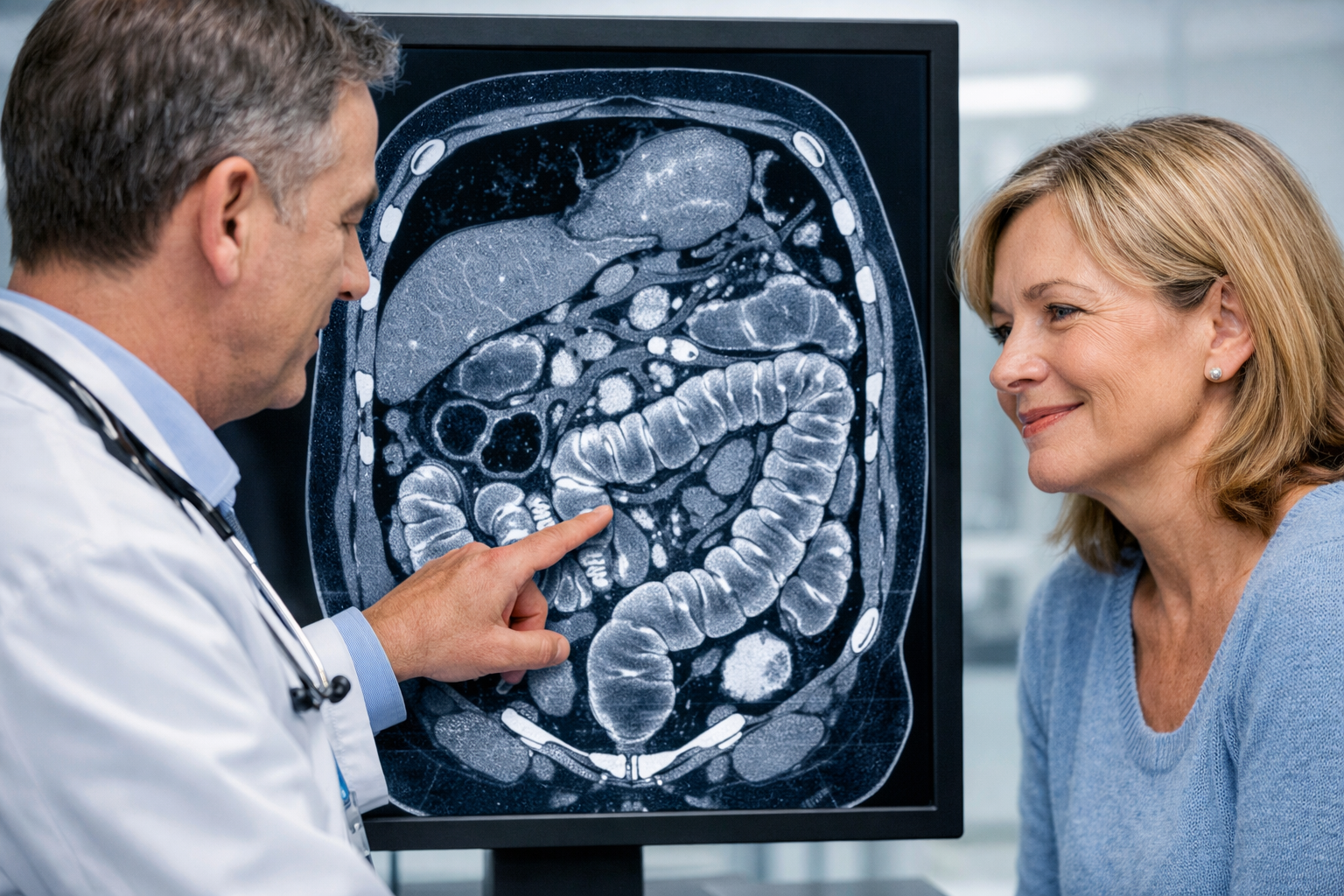
When sudden, debilitating abdominal pain or severe digestive bleeding strikes, waiting weeks for an outpatient appointment with gastrointestinal specialists is not a safe option. Understanding how board-certified emergency medicine physicians collaborate seamlessly with outpatient gastrointestinal specialists empowers you to get immediate life-saving stabilization first, followed by coordinated long-term digestive care.
Emergency Care vs. Outpatient Gastroenterology: Knowing Where to Go
-
Immediate Stabilization at the ER: Freestanding emergency rooms operate 24/7 with no appointment needed, offering instant triage, IV hydration, pain control, and STAT imaging when severe symptoms strike suddenly.
-
Targeted Follow-Up with Specialists: Outpatient gastrointestinal specialists focus on scheduled colonoscopies, endoscopies, and chronic condition management once an acute crisis is safely stabilized.
-
Seamless Specialist Coordination: Emergency physicians compile complete digital CT scans, ultrasound clips, and STAT lab panels so your follow-up gastroenterologist has full diagnostic clarity right away.
-
Direct Hospital Transfers When Needed: If emergency imaging reveals a perforated ulcer, severe GI bleed, or surgical obstruction, ER teams arrange direct hospital admission and specialist consults immediately.
Digestive Red Flags That Require Immediate Emergency Care
-
Sudden, Severe Abdominal Pain: Sharp, escalating cramps—especially in the lower right or upper right abdomen—that make sitting or lying still difficult.
-
Active Gastrointestinal Bleeding: Vomiting bright red blood, material resembling dark coffee grounds, or passing black, tarry, or maroon stools.
-
Persistent Vomiting & Severe Dehydration: Inability to keep clear liquids down for over 24 hours paired with dizziness, fainting, or dry mucous membranes.
-
High Fever with Digestive Distress: Chills, yellowing of the eyes or skin (jaundice), or rigid abdominal tenderness that signals acute infection.
Practical Steps Before Arriving at the Emergency Room
-
Refrain from eating or drinking until an emergency physician evaluates whether diagnostic scans or urgent procedures are required.
-
Bring the name and clinic details of your primary doctor or regular gastroenterologist so your ER team can share test results directly.
-
Avoid taking NSAIDs like ibuprofen or aspirin prior to your exam, as they can aggravate stomach ulcers and increase bleeding risks.
Conclusion
Bridging immediate emergency stabilization with coordinated specialist follow-up protects your digestive health when sudden symptoms strike. Rather than waiting weeks to see gastrointestinal specialists during an acute flare-up, Fort Worth residents can count on immediate evaluation and rapid relief for all gastrointestinal emergencies 24/7.
Explore our complete digestive care capabilities by visiting our ER of Fort Worth page.

 English
 Arabic
 French
 Spanish
 Portuguese
 Deutsch
 Turkish
 Italiano
 Russian
 Romaian
 Portuguese (Brazil)
 Greek