

Choosing the Right Mortgage Broker for Jumbo Loans: What Homebuyers Should Know
Buying a home is a big financial decision. For some people, it is also one of the most stressful experiences, especially when the property comes with a higher price tag. Finding the right home is only part of the process. Getting the right financing matters just as much. This is where working with a mortgage broker and understanding jumbo loans can make a real difference.
When a home costs more than the standard mortgage limits allow, buyers may need a jumbo mortgage. These loans are designed for higher-value properties and usually come with different qualification requirements. The process can feel a little complicated at first, but it doesn't have to be.
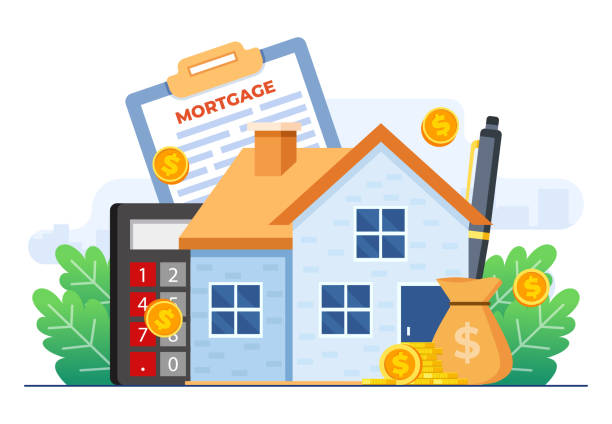
Whether you are buying your dream home, moving to a larger property, or looking at real estate in a competitive Texas market, knowing your financing options can help you make a better decision. Let's look at how mortgage professionals help buyers, what jumbo financing involves, and what you should consider before applying.
What Does a Mortgage Broker Do?
A mortgage broker helps homebuyers explore available home financing options. Instead of going through the entire process without guidance, buyers can work with a professional who understands mortgage products, lender requirements, interest rates, and application procedures.
A mortgage broker generally acts as a connection between borrowers and mortgage lenders. They review your financial situation, discuss your borrowing needs, and help identify loan options that may fit your circumstances.
For example, someone purchasing a moderately priced home may need a conventional mortgage. Another buyer looking at a large property may require jumbo financing. The right loan depends on several things, including income, credit history, existing debts, available savings, and the purchase price.
Having someone explain these details can save time and reduce confusion. Mortgage financing involves plenty of paperwork already. Most buyers don't need extra complications.
It is also worth remembering that not every mortgage professional works in the same way. Some are independent brokers who compare options from multiple lenders, while others work directly for a financial institution. Understanding who provides the loan and who handles the application is important before moving forward.
Understanding Jumbo Loans and How They Work
Jumbo loans are mortgage products designed for properties that require financing above the conforming loan limits established for conventional mortgages.
These limits are set annually by the Federal Housing Finance Agency (FHFA) and can vary depending on the location of the property. When the amount you want to borrow exceeds the applicable limit, a jumbo mortgage may be needed.
For buyers purchasing higher-priced homes, this type of financing can provide an opportunity to secure the property without paying the entire purchase price upfront.
However, jumbo mortgages are not exactly the same as standard home loans. Lenders may have stricter requirements because the loan amount is larger and involves greater financial risk.
Depending on the lender and loan program, borrowers may need a stronger credit profile, a larger down payment, sufficient cash reserves, and documented income. These requirements can differ, so it is always worth discussing your situation before assuming you qualify.
Why Homebuyers Work With a Mortgage Professional for Jumbo Financing
Applying for a larger mortgage is not something most buyers do every year. The paperwork, financial checks, and loan conditions can feel unfamiliar.
A knowledgeable mortgage professional can help explain the process and identify potential issues before they become major problems.
One important benefit is understanding your financing options. Buyers sometimes focus only on the interest rate, but the overall loan structure matters too. Monthly payments, closing costs, loan terms, and down payment requirements should all be considered.
Another benefit is preparation. If your financial documents are organized and you understand what lenders expect, the application process can become more manageable.
For jumbo loans, this preparation is especially useful. Lenders may review income sources, employment history, assets, existing debts, and financial reserves in greater detail.
Still, buyers should ask questions. Don't agree to a loan simply because the numbers look good at first glance. Understand the terms and make sure the payment fits your long-term budget.
Important Requirements for Getting Jumbo Loans
Qualifying for a jumbo mortgage depends on the lender, loan program, property, and borrower's financial position. There isn't one set of requirements that applies to everyone.
Here are some of the areas lenders commonly review.
Credit History
Your credit profile helps lenders understand how you have managed debt in the past. A stronger credit history may improve your chances of qualifying for competitive financing.
Before applying, check your credit reports and review any outstanding balances or errors. Even small issues are worth addressing early.
Income and Employment
Lenders want to know whether you can comfortably manage the proposed mortgage payment. They may request pay stubs, tax returns, bank statements, or other documents to verify your income.
Self-employed buyers may need additional paperwork to demonstrate consistent earnings. It is better to prepare these documents ahead of time rather than rushing when you are ready to make an offer.
Down Payment and Cash Reserves
Some jumbo mortgage programs require a larger down payment than conventional loans. The exact amount depends on the lender and individual circumstances.
Cash reserves can also matter. Lenders may want to see that you have enough money available after closing to cover future mortgage payments and other expenses.
Debt-to-Income Ratio
Your debt-to-income ratio compares your monthly debt payments with your gross monthly income. It helps lenders evaluate how much additional debt you can reasonably manage.
Paying down existing debt may improve this ratio, although the right approach depends on your overall financial situation.
Mortgage Broker vs. Direct Lender: What's the Difference?
Homebuyers often use these terms interchangeably, but a mortgage broker and a direct lender are not the same thing.
A mortgage broker works as an intermediary and may help borrowers compare mortgage products from different lending sources. A direct lender evaluates applications and provides financing through its own lending operation or funding arrangements.
Both approaches have advantages. A broker may offer access to several lending options, while working directly with a bank can provide a more direct relationship with the institution handling your financing.
The best choice depends on your needs. If you are considering jumbo loans, ask how the lender handles larger mortgage applications, what documentation is required, and whether the available loan terms match your plans.
Don't be afraid to compare. A little research before signing anything can make a big difference later.
Are Jumbo Loans a Good Option for Buying a Higher-Priced Home?
For some buyers, jumbo financing is a practical way to purchase a property that exceeds conventional mortgage limits. It can be useful for families looking for larger homes, professionals relocating for work, or buyers purchasing properties in areas where real estate prices are higher.
But a bigger mortgage also means a bigger financial responsibility.
Before choosing a jumbo mortgage, take an honest look at your monthly budget. Consider property taxes, homeowners insurance, maintenance, utilities, and other ownership expenses. The mortgage payment is only one part of the cost of owning a home.
It is also important to think beyond the first few months. Will the payment remain manageable if your expenses increase? Do you have enough savings for unexpected repairs or changes in income?
A home should support your lifestyle, not put constant pressure on your finances. Take your time and compare the available financing options before making a commitment.
How to Prepare Before Applying for a Jumbo Mortgage
A little preparation can make the home financing process much easier. Before contacting a lender or mortgage professional, gather your recent income documents, bank statements, tax records, and information about your existing debts.
You should also review your credit history and decide how much you are comfortable spending on a monthly mortgage payment.
It helps to have a realistic purchase budget rather than focusing only on the maximum loan amount you might qualify for. Just because a lender approves a certain amount doesn't mean you need to borrow all of it.
Ask about interest rates, closing costs, repayment terms, down payment requirements, and any additional conditions. If something is unclear, ask for an explanation. There is no reason to rush through a financial decision this important.
Working with an experienced lending team can also help you understand the next steps and keep your application organized.
Finding the Right Home Financing Support
Choosing a mortgage is about more than getting approved. It is about finding financing that makes sense for your financial goals and your future plans.
A mortgage broker can help borrowers explore different lending options, while a direct relationship with a community bank may provide another route to personalized financing guidance. The important thing is to work with a lending team that takes the time to understand your situation.
For buyers considering jumbo loans, the details matter. Credit requirements, available down payment options, income verification, and loan terms can all affect the final decision.
Take the time to compare your choices, understand the costs, and ask questions before committing. A well-planned mortgage can make buying a higher-priced home feel much more manageable.
If you are planning to purchase a home and want to explore your mortgage options, SouthStar Bank can be a helpful place to start. Visit SouthStar Bank to learn more about available banking and lending services and connect with a team that can help you take the next step toward homeownership.

Frequently Asked Questions
1. What is the difference between a mortgage broker and a mortgage lender?
A mortgage broker connects borrowers with potential lending sources and helps compare financing options. A mortgage lender evaluates applications and provides the loan. Some buyers prefer working with a broker, while others choose to work directly with a bank or financial institution.
2. Who should consider jumbo loans?
Jumbo loans may be suitable for homebuyers who need to borrow more than the applicable conforming loan limit. They are commonly used for higher-priced homes, but borrowers must meet the lender's financial and credit requirements.
3. Do jumbo loans require a larger down payment?
They can. Some lenders require larger down payments for jumbo mortgages, although requirements vary by loan program, property, and borrower qualifications. Ask your lender about the available options before deciding how much to put down.
4. Can I apply for jumbo loans through a community bank?
Some community banks offer mortgage financing options for qualified borrowers, including financing for higher-value homes. Available products and eligibility requirements vary by institution. Contact the bank directly to learn which mortgage options are currently available.

 English
 Arabic
 French
 Spanish
 Portuguese
 Deutsch
 Turkish
 Italiano
 Russian
 Romaian
 Portuguese (Brazil)
 Greek