


Gemstone Hardness: Which Stones Last the Longest?
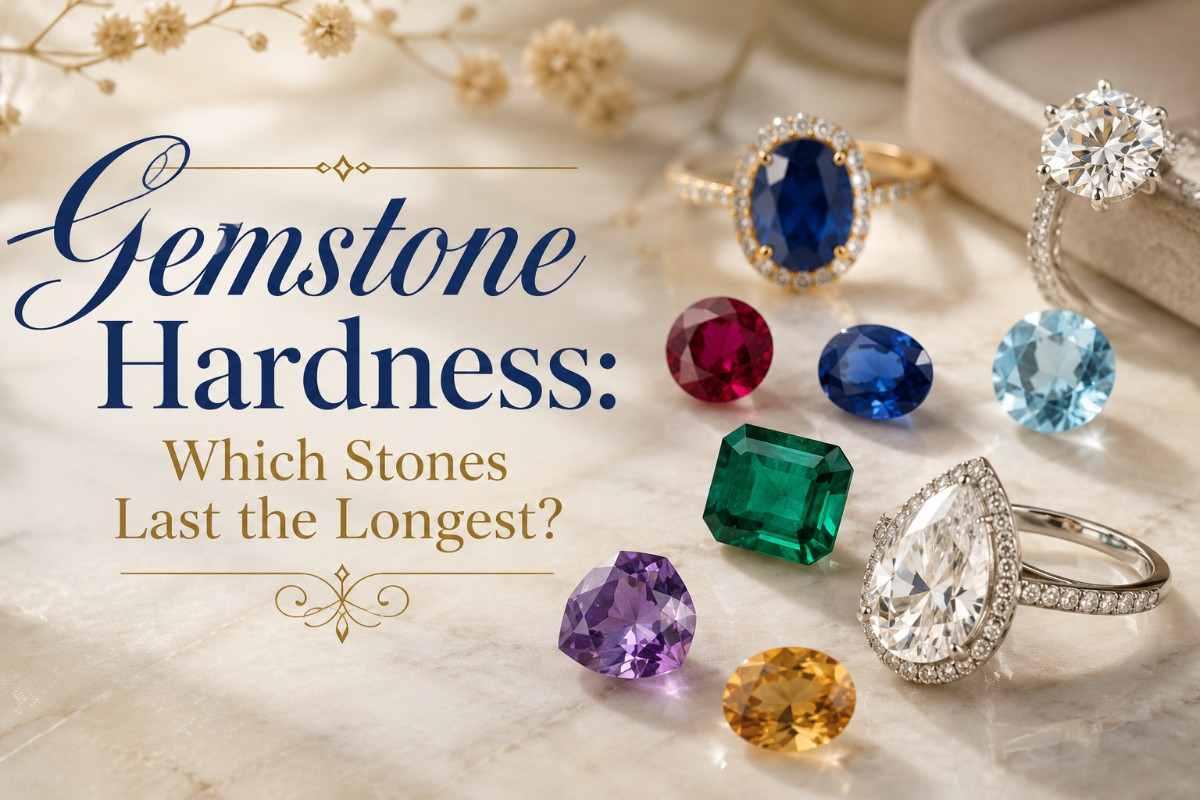
A beautiful gemstone can catch your attention almost instantly, but its true practicality becomes clearer after years of wear. Rings, bracelets, earrings, and pendants all experience different levels of contact during everyday life. Choosing a gemstone, therefore, involves more than considering its color, sparkle, or personal appeal. Its ability to resist scratches and handle regular use is equally important.
This is where gemstone hardness becomes helpful. The Mohs hardness scale provides a simple way to compare how resistant different minerals are to scratching. However, hardness is only one part of gemstone durability. A stone can be very hard and still chip or fracture after a strong impact. Understanding this difference can help buyers choose jewelry more thoughtfully.
What Does Gemstone Hardness Actually Mean?
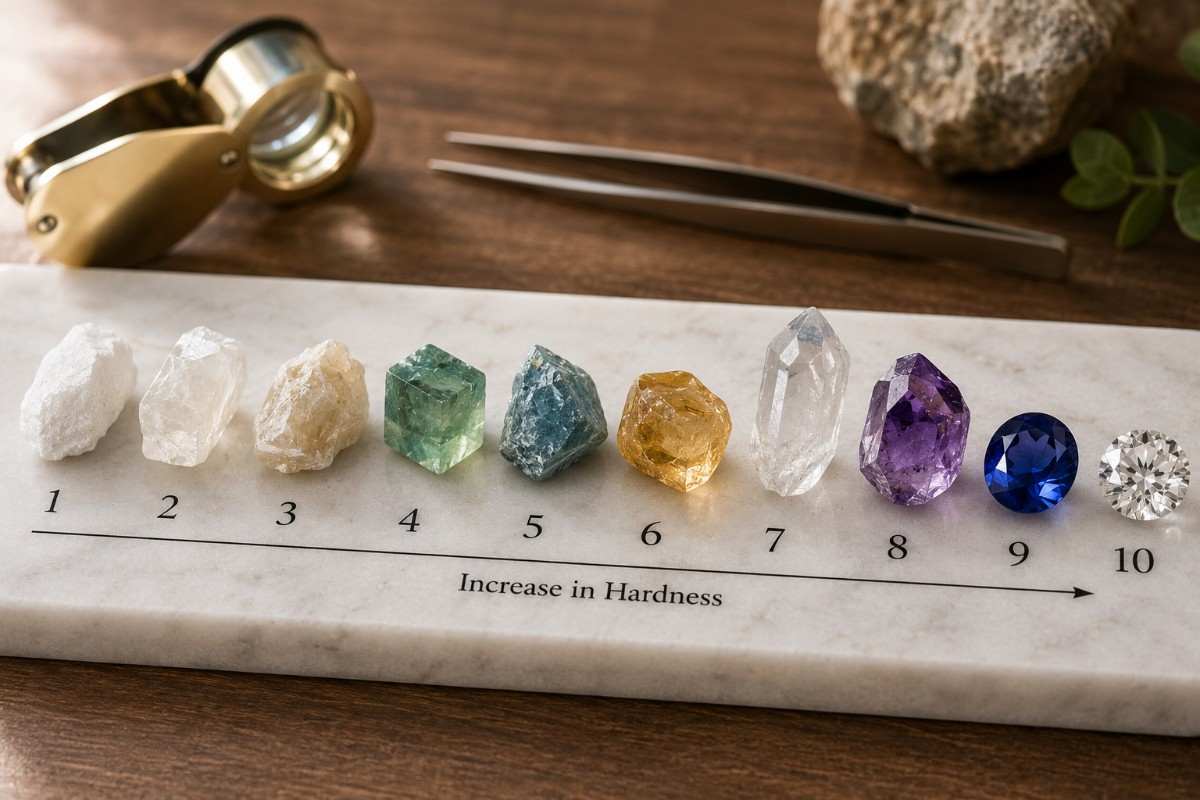
Gemstone hardness refers to a mineral's ability to resist scratching. The most commonly used measurement is the Mohs scale, which ranks minerals from 1 to 10. Talc sits at the lower end of the scale, while diamond reaches the highest level.
The Mohs scale is relative rather than linear. This means a gemstone rated 8 isn't simply twice as hard as one rated 4. The actual differences between some levels can be much greater than the numbers indicate. For jewelry buyers, the main takeaway is straightforward: greater hardness generally provides better resistance against everyday surface scratches.
Hardness Is Not the Same as Durability
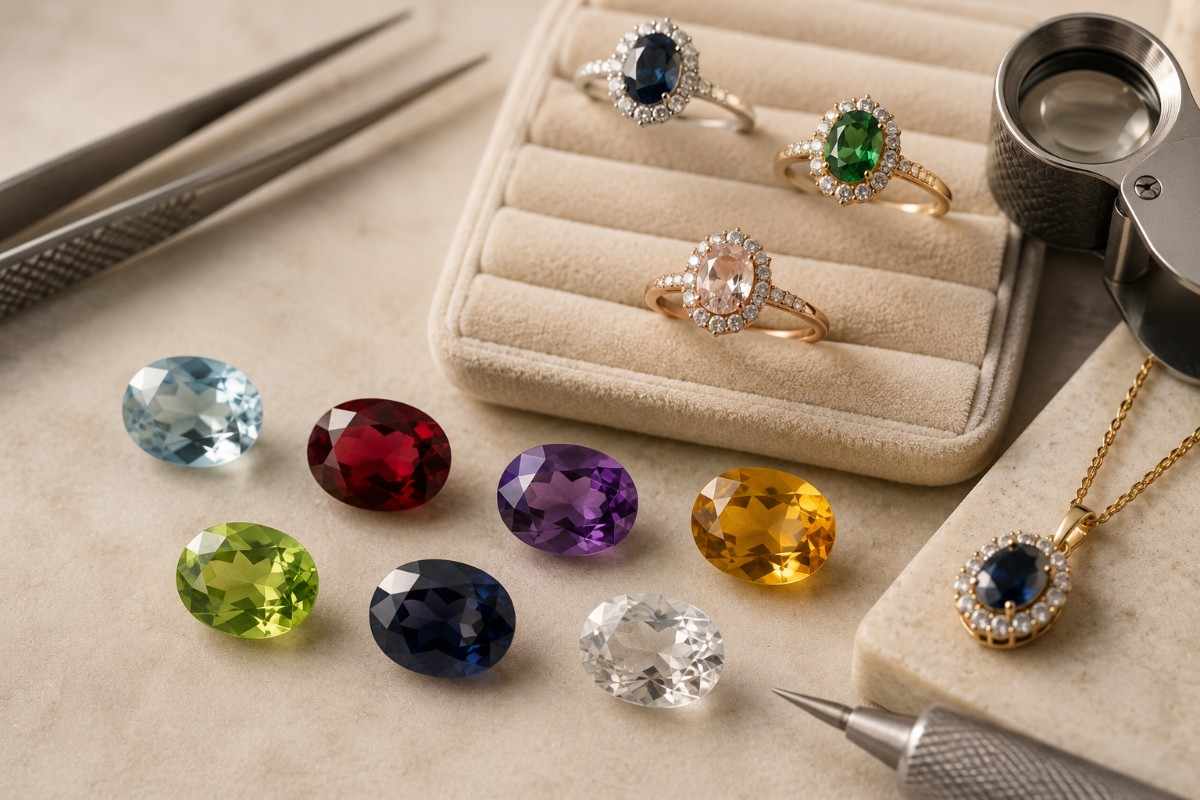
It is easy to assume that the hardest gemstone must also be the most difficult to damage. In reality, overall gemstone durability depends on several different properties. Hardness helps protect against scratches, while toughness describes how well a stone can resist chipping, breaking, or splitting.
A gemstone's internal structure matters too. Natural inclusions, cleavage planes, existing fractures, the shape of the cut, and the way the stone is secured in its setting can all affect how it responds to an impact. This is why experienced jewelers consider more than the Mohs rating when recommending a gemstone for everyday jewelry.
Diamond, Sapphire, and Ruby: Strong Choices for Frequent Wear
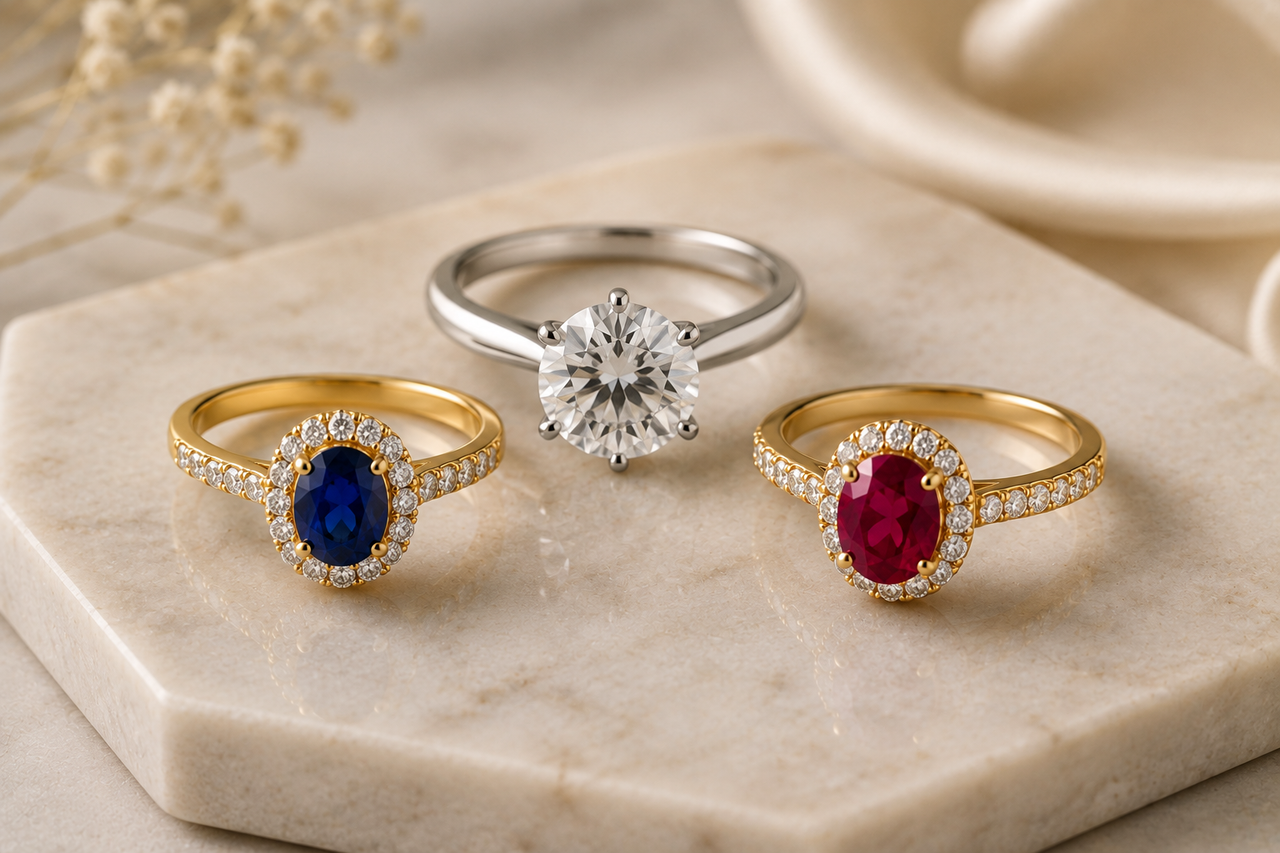
Diamond ranks 10 on the Mohs scale, making it the hardest naturally occurring mineral commonly used in jewelry. Its exceptional scratch resistance is one reason diamonds remain so popular for pieces that are worn regularly. However, hardness doesn't mean a diamond is impossible to damage. A strong impact in a vulnerable area can still cause a chip.
Ruby and sapphire are both varieties of corundum and rank 9 on the Mohs scale. Their combination of high hardness and useful toughness makes them particularly practical choices for rings and other jewelry that receives regular contact. Their durability also gives designers plenty of freedom when creating settings ranging from traditional designs to contemporary styles.
Where Do Topaz, Emerald, and Quartz Stand?
Topaz has a Mohs hardness of 8, giving it good resistance to everyday scratching. However, its cleavage characteristics mean that a hard impact can present a greater concern than its hardness rating alone suggests. With an appropriate setting and sensible use, topaz can still be an excellent choice for jewelry.
Quartz varieties generally measure around 7, while emerald typically falls between 7.5 and 8. Emerald is an especially interesting example because its natural inclusions are often considered part of its character, but those inclusions can also make the stone more susceptible to fractures. Jewelry from brands such as ErayaSparkle can feature different gemstone and diamond styles, but the right choice should always take into account how and where the piece will be worn.
Which Gemstones Are Best for Everyday Jewelry?
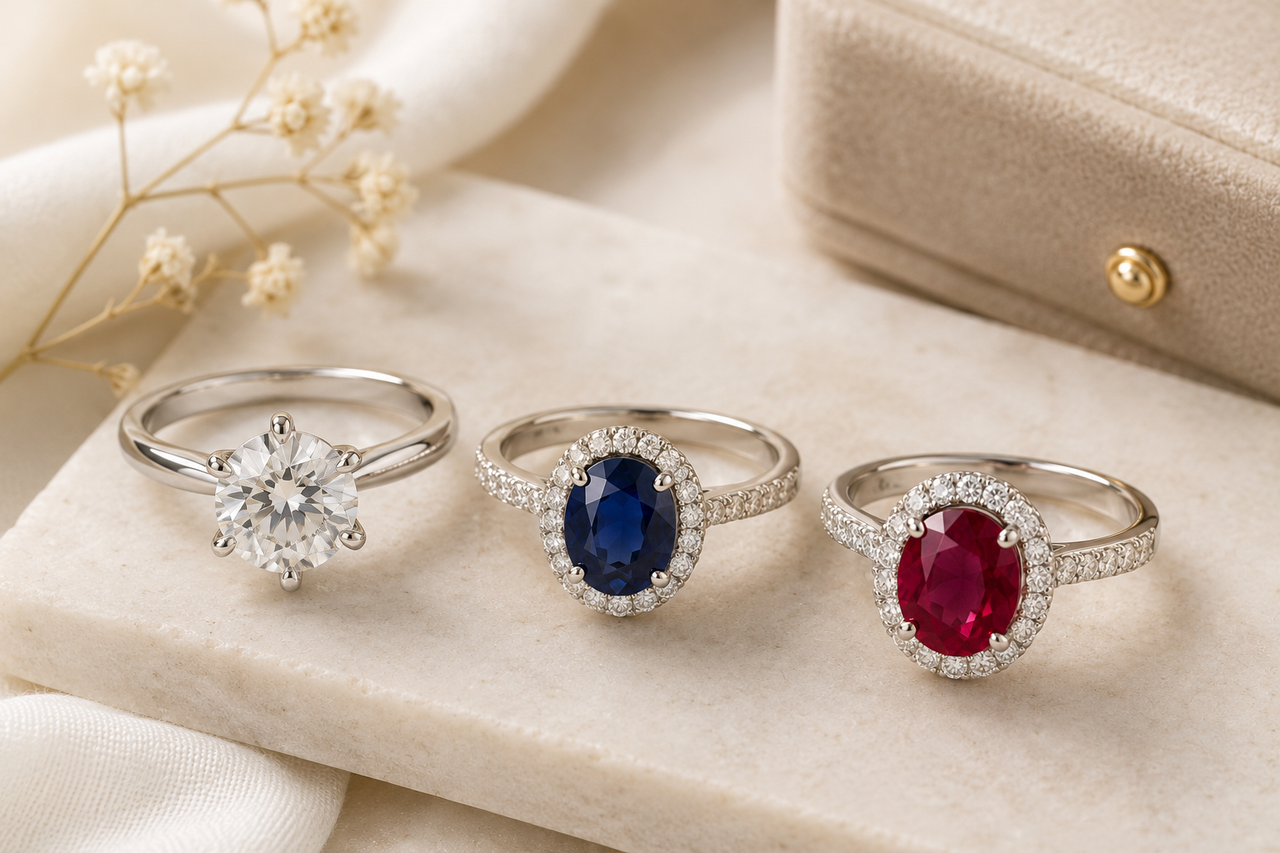
For jewelry that remains on the body most days, diamond, ruby, and sapphire are among the strongest options. Their high hardness offers useful protection against the fine scratches that can gradually affect a gemstone's appearance. This is especially important for rings because they typically experience more contact with surfaces than earrings or pendants.
The setting also makes a significant difference. A well-protected gemstone may be more suitable for everyday wear than the same stone in a more exposed design. For example, someone choosing a marquise diamond ring should consider not only the diamond's hardness but also the protection provided around its elongated points. Likewise, a pear lab diamond ring benefits from thoughtful setting design because its pointed end can be more exposed to accidental knocks.
Does a Harder Stone Always Last Longer?
Not necessarily. How well a gemstone performs over time depends on a combination of hardness, toughness, cut, setting, and lifestyle. Someone who works with their hands every day places very different demands on a ring compared with someone who mainly wears jewelry for dinners or special occasions.
This distinction becomes particularly useful when comparing gemstones that may look similar. A softer gemstone can remain beautiful for decades when handled carefully, while a harder stone can still suffer damage if it is repeatedly exposed to heavy impacts. The goal isn't simply to choose the highest number on the Mohs scale. It is to select a gemstone that suits the way the jewelry will actually be worn.
How to Keep Gemstones Looking Beautiful
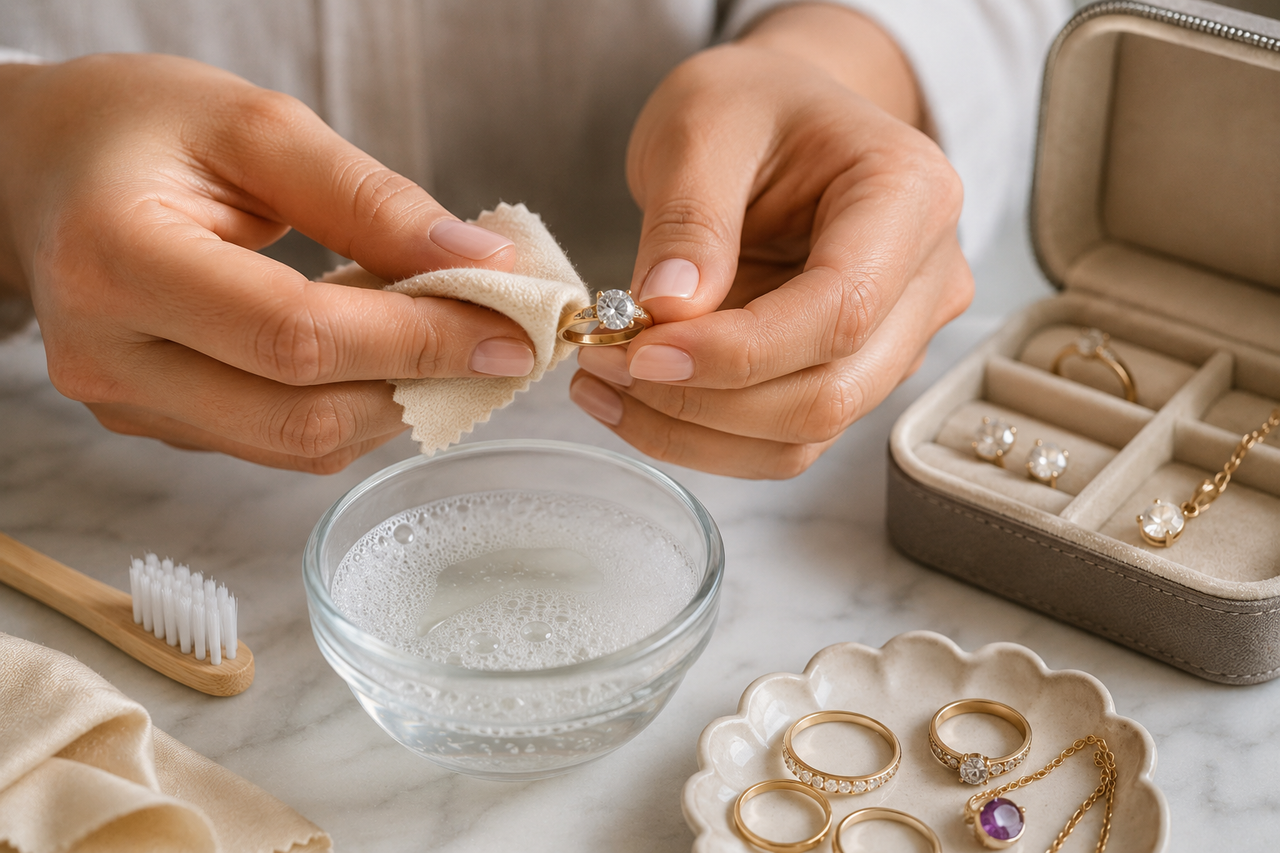
Even highly durable gemstones benefit from proper care. Whenever possible, jewelry should be stored separately so that stones and metal do not rub against one another. Removing rings before heavy physical work can also reduce the risk of accidental impacts, while occasional inspections can help identify loose settings before they become a larger problem.
Cleaning should also depend on the specific gemstone rather than using one method for every piece of jewelry. Some stones can handle routine cleaning without difficulty, while others require more delicate treatment. If you're unsure about the safest cleaning method, advice from a qualified jeweler is preferable to experimenting with household chemicals or aggressive cleaning techniques.
The Best Gemstone Depends on More Than Hardness
Gemstone hardness is an important part of choosing jewelry, but it shouldn't be the only factor considered. Diamond ranks highest on the Mohs scale, while ruby and sapphire offer excellent hardness for frequent wear. Topaz, quartz, and emerald can also make beautiful jewelry when their individual characteristics and care requirements are understood.
Ultimately, the gemstone that lasts longest is one that matches its setting, purpose, and owner's lifestyle. Understanding hardness, toughness, and proper care gives buyers a clearer idea of what they are purchasing and helps ensure that a beautiful gemstone can continue to be enjoyed for many years.

 English
 Arabic
 French
 Spanish
 Portuguese
 Deutsch
 Dutch
Dutch
 Italiano
 Russian
 Romaian
 Portuguese (Brazil)
 Greek
Greek