


Commercial Water Softeners: A Complete Guide for Businesses
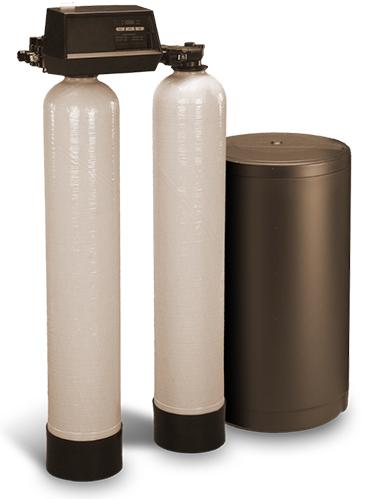
Water quality plays an important role in the performance, efficiency, and longevity of commercial plumbing and equipment. In facilities that use significant amounts of water every day, hard water can create mineral buildup, reduce equipment efficiency, increase maintenance requirements, and affect the quality of water-dependent processes. This is why many businesses consider commercial water softeners as part of a broader water treatment strategy.
Commercial water softeners are designed to reduce hardness-causing minerals, primarily calcium and magnesium, from water used in commercial environments. Depending on the facility, a properly selected system can help protect plumbing, water heaters, boilers, appliances, and other equipment from scale-related problems.
From restaurants and hotels to manufacturing facilities, healthcare environments, offices, and other commercial properties, understanding how commercial water softeners work can help businesses make informed decisions about water treatment.
What Are Commercial Water Softeners?
Commercial water softeners are water treatment systems designed to manage hard water in commercial and industrial settings. Unlike small residential systems, commercial systems are generally designed to handle higher water demand and more demanding operating conditions.
Hard water contains naturally occurring minerals such as calcium and magnesium. While these minerals are not generally considered harmful in ordinary drinking water, they can create operational problems when they accumulate inside pipes and equipment.
A commercial softening system typically uses an ion-exchange process. Water passes through resin media that attracts hardness minerals. The treated water then contains significantly reduced concentrations of calcium and magnesium, helping minimize the formation of hard mineral scale.
The appropriate system depends on factors such as water hardness, peak flow rate, daily water consumption, facility size, and the applications requiring softened water.
Why Commercial Water Softeners Matter
Hard water can become a costly issue for businesses when it affects equipment and plumbing over time. Mineral deposits may accumulate in water heaters, boilers, pipes, dishwashers, washing equipment, and other water-using systems.
Commercial water softeners can help address these challenges by reducing the minerals responsible for hardness.
Some potential benefits include:
-
Reduced mineral scale formation
-
Better protection for water-using equipment
-
Potentially lower maintenance requirements
-
Improved efficiency of certain water-heating equipment
-
Longer operating life for plumbing components
-
More consistent water quality for specific applications
-
Reduced buildup on fixtures and surfaces
The actual benefits depend on water chemistry, system design, usage patterns, and maintenance. A professional water assessment can help determine whether softening is appropriate for a particular facility.
How Commercial Water Softeners Work
Most traditional commercial water softeners use ion exchange to reduce water hardness.
During normal operation, hard water enters the softener and passes through a tank containing specialized resin. The resin attracts calcium and magnesium ions and exchanges them with sodium ions. The treated water then continues into the building's plumbing system.
Over time, the resin becomes saturated with hardness minerals. The system must then regenerate the resin so it can continue operating effectively.
Regeneration generally involves several stages, including backwashing, brining, slow rinsing, and fast rinsing. The exact sequence and programming depend on the equipment design.
Modern systems may use demand-initiated regeneration, allowing regeneration to occur based on actual water consumption rather than relying exclusively on a fixed schedule. This can help improve water and salt efficiency when properly configured.
Choosing the Right Commercial Water Softeners
Selecting the right system requires more than simply choosing the largest available unit. Oversizing or undersizing a water softener can create unnecessary costs or operational problems.
Businesses should consider several factors before selecting commercial water softeners.
Water Hardness
The hardness level of incoming water is one of the most important considerations. Water testing can determine the concentration of calcium and magnesium and help establish the treatment capacity required.
Flow Rate
Commercial facilities can experience periods of very high water demand. The softener must be capable of supplying sufficient treated water during peak usage without creating excessive pressure loss.
Daily Water Consumption
Daily water use helps determine the required softening capacity and regeneration frequency. A hotel, restaurant, or manufacturing facility may have substantially different requirements from a small office.
Equipment Requirements
Some applications may require softened water to protect sensitive equipment from scale. Understanding where softened water will be used can help determine system specifications.
Available Space
Commercial equipment can require dedicated installation space for tanks, controls, plumbing connections, and salt storage. Facility layout should therefore be considered during system planning.
Commercial Water Softeners for Different Industries
Different industries can have different water treatment requirements. A system suitable for one business may not be appropriate for another.
Restaurants and Foodservice Facilities
Restaurants use water for cooking, cleaning, dishwashing, ice production, sanitation, and other activities. Hard water can contribute to scale inside equipment and leave mineral deposits on fixtures and surfaces.
Commercial water softeners may help protect water-using equipment and support more efficient cleaning operations.
Hotels and Hospitality Businesses
Hotels can have substantial water consumption from guest rooms, laundry facilities, kitchens, pools, and maintenance operations. Water hardness can affect fixtures, water heaters, laundry equipment, and other systems.
A properly designed softening solution can help hospitality facilities manage hardness throughout appropriate areas of the property.
Manufacturing Facilities
Manufacturing operations may depend on water for processing, cleaning, heating, cooling, or other industrial applications. The required treatment level depends heavily on the process and water chemistry.
In these environments, commercial water softeners may be one component of a larger water treatment system.
Healthcare and Institutional Facilities
Hospitals, care facilities, schools, and other institutions can have significant water demand. Protecting plumbing and equipment from scale can be an important part of facility maintenance.
Treatment requirements should be evaluated based on the facility's water uses and applicable standards.
Benefits of Commercial Water Softeners for Equipment
One of the major reasons businesses investigate commercial water softeners is equipment protection.
Hard water can contribute to scale accumulation when heated. Over time, scale can form on heating elements and internal surfaces. This may reduce heat-transfer efficiency and increase the energy required for certain heating processes.
Scale can also affect valves, pipes, fixtures, and other components.
By reducing calcium and magnesium, a water softener can help minimize the conditions that lead to hardness-related scale. This may support equipment performance and reduce some maintenance concerns.
However, softening is not a universal solution for every water-quality issue. Businesses may need filtration, reverse osmosis, carbon treatment, disinfection, or other technologies depending on their water source and intended use.
Maintaining Commercial Water Softeners
Regular maintenance is essential for reliable performance. Even high-capacity systems require appropriate monitoring and servicing.
Businesses should follow the manufacturer's maintenance recommendations and monitor important operating conditions.
Maintenance may include:
-
Checking salt levels when applicable
-
Inspecting tanks and connections
-
Monitoring regeneration cycles
-
Checking water hardness after treatment
-
Inspecting valves and controls
-
Cleaning or servicing components as recommended
-
Testing treated water periodically
-
Addressing leaks or unusual operating conditions promptly
Water testing can be especially useful because it confirms whether the system is delivering the desired level of hardness reduction.
Improving Efficiency With Commercial Water Softeners
Efficiency should be considered when selecting and operating commercial water softeners. A system that regenerates too frequently may consume more salt and water than necessary, while a system that regenerates too infrequently may not provide adequate treatment.
Demand-based controls can help align regeneration with actual water consumption. Proper sizing is equally important because system capacity, flow requirements, and hardness levels all influence operating efficiency.
Businesses should also avoid assuming that every application requires the same degree of softening. Treating only the water that needs treatment can sometimes provide a more practical approach.
Professional system design can help balance treatment performance, operating costs, maintenance, and facility requirements.
Commercial Water Softeners vs. Other Water Treatment Systems
It is important to understand that water softening and water filtration serve different purposes.
A water softener primarily targets hardness minerals such as calcium and magnesium. A filtration system, on the other hand, may be designed to reduce sediment, chlorine, odors, or other specific contaminants depending on the filter technology.
Reverse osmosis systems provide a different level of treatment and can reduce a much broader range of dissolved substances. However, they are not necessarily the best solution for every application.
For some businesses, commercial water softeners may work alongside other treatment technologies to address multiple water-quality concerns.
Signs Your Business May Need Commercial Water Softeners
Several signs may indicate that a facility should investigate water hardness.
Common indicators include:
-
White mineral deposits around faucets
-
Scale inside water-using equipment
-
Frequent cleaning of mineral residue
-
Reduced efficiency in water heaters
-
Scale-related maintenance issues
-
Hardness-sensitive commercial equipment
-
Water testing that shows elevated hardness
These signs do not automatically mean that a softener is required. Testing the incoming water and reviewing the facility's applications can provide a more accurate assessment.
Professional Evaluation Is an Important First Step
Before purchasing commercial water softeners, businesses should evaluate their actual water-treatment needs. A professional assessment can consider water hardness, flow rates, consumption patterns, equipment requirements, available installation space, and maintenance expectations.
This approach can help prevent businesses from investing in equipment that is poorly matched to their requirements.
A properly designed commercial water treatment solution should address current needs while also allowing for reasonable changes in water demand.
Why Businesses Should Invest in Water Quality
Water is an essential resource for many commercial operations. When water quality affects equipment, plumbing, cleaning, or production, the associated costs can extend beyond the water itself.
Investing in appropriate treatment can support more predictable equipment operation and help businesses manage long-term maintenance requirements.
Commercial water softeners can be particularly valuable where hard water is contributing to scale and where water-dependent equipment represents a significant operational investment.
The key is selecting equipment based on actual water conditions rather than relying on a one-size-fits-all approach.
Conclusion
Hard water can create ongoing challenges for businesses, particularly when mineral scale affects plumbing and water-using equipment. Commercial water softeners provide a practical way to reduce hardness minerals and help manage scale-related concerns in many commercial environments.
The right solution depends on water chemistry, facility size, water consumption, peak flow requirements, equipment needs, and installation conditions. Proper sizing, regular maintenance, and periodic water testing are also important for achieving reliable performance.
Businesses evaluating water treatment should begin with a clear understanding of their water quality and operational requirements. A professional assessment can help determine whether commercial softening is appropriate and identify the system configuration best suited to the facility.
For businesses looking to explore commercial water treatment options, Rayne Water commercial water softener solutions provide a useful starting point for understanding available solutions and treatment considerations.

 English
 Arabic
 French
 Spanish
 Portuguese
 Deutsch
 Turkish
 Italiano
 Russian
 Romaian
 Portuguese (Brazil)
 Greek
Greek