


What to Know Before Planning Your Next Home Move
Understanding the Work Involved
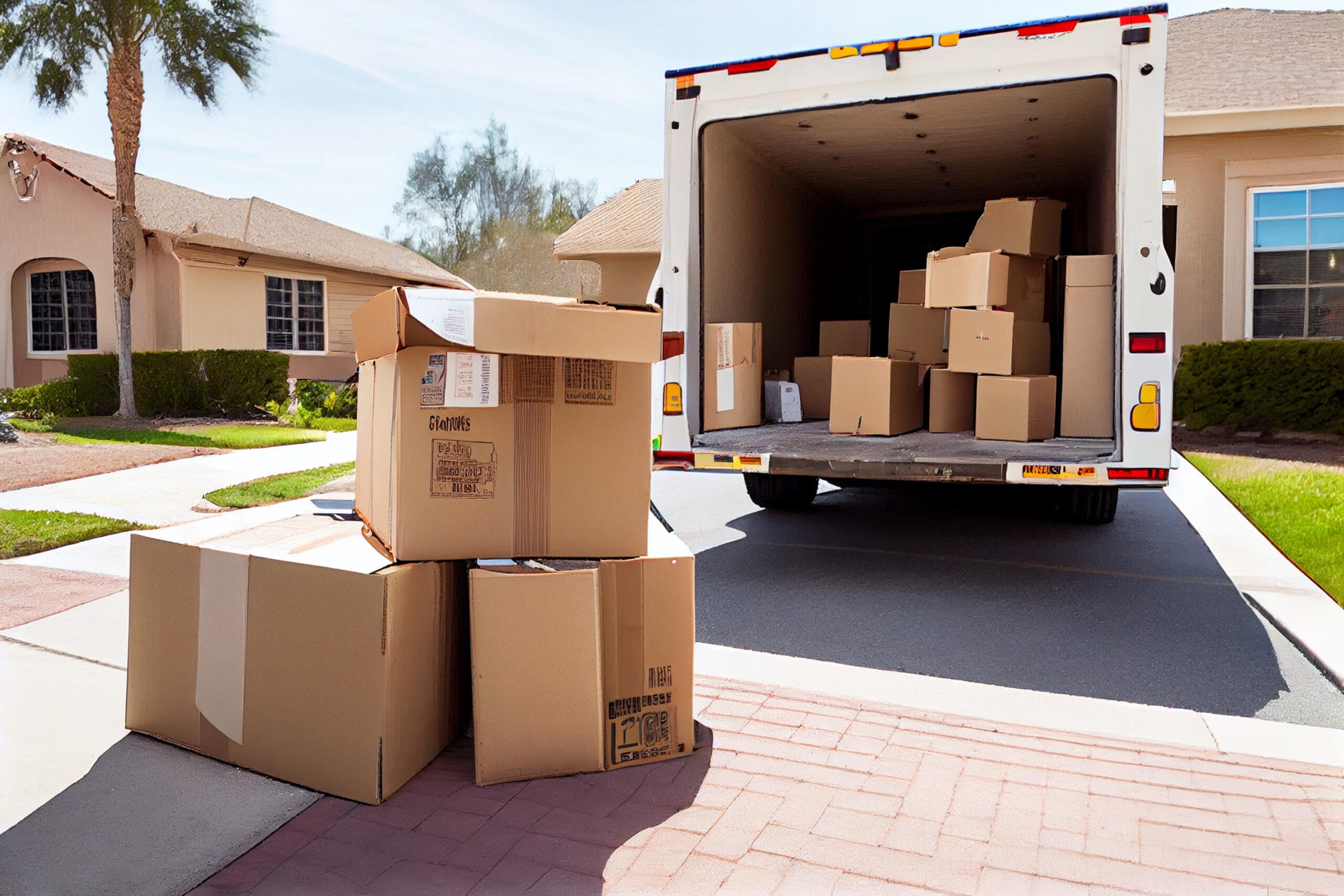
Relocating to a new home can involve many tasks that are easy to overlook. Packing is only one part of the process. You may also need to sort possessions, protect furniture, arrange transportation, prepare both properties, and organize the final unloading. Understanding these responsibilities early can help you create a realistic plan and avoid unnecessary stress when the moving date gets closer.
Starting With a Simple Schedule
A practical schedule can keep the relocation organized from beginning to end. Divide the work into smaller stages instead of trying to complete everything at once. Start with items that are rarely used and leave everyday necessities for later. Set specific days for packing different rooms, preparing furniture, and completing final tasks. This approach gives you more control and reduces the possibility of rushing through important preparations.
Removing Unwanted Items
Moving is an ideal time to reduce household clutter. Review closets, drawers, cabinets, garages, and storage areas before packing. Separate possessions that are no longer useful and decide whether to donate, sell, recycle, or dispose of them. Taking fewer unnecessary belongings to the new property can reduce packing time and transportation demands. It also makes unpacking easier because there will be fewer items to organize.
Packing With Care
The condition of belongings after transportation often depends on how well they were packed. Use strong containers for heavier possessions and suitable cushioning for delicate objects. Wrap fragile items individually and avoid placing excessive weight in a single box. Clearly label each container with its contents and destination room. This simple system can make unloading more efficient and help prevent fragile belongings from being handled unnecessarily.
Protecting Large Furniture
Furniture requires careful preparation because bulky pieces can be difficult to carry through narrow spaces. Sofas, beds, tables, cabinets, and other large items can come into contact with walls, floors, and door frames. Protective blankets or padding can help reduce scratches and other surface damage. Measuring larger pieces and entrances before moving day can also help identify difficult areas and allow you to plan how each item will be moved.
Getting Professional Assistance
Handling every part of a relocation alone can require considerable physical effort. Lifting heavy boxes, carrying furniture, loading a vehicle, and unloading everything at the destination can take many hours. Moving Services in Falls Church VA can assist with these demanding responsibilities and provide practical support throughout the process. Professional help can reduce physical strain and allow homeowners to spend more time managing other relocation-related tasks.
Preparing for Moving Day
The final preparation stage can have a major effect on how smoothly the day proceeds. Make sure boxes are packed, sealed, and labeled before loading begins. Keep hallways, stairways, and entrances clear. Prepare a separate bag containing essential clothing, toiletries, chargers, important documents, medications, and other necessities. Confirm access arrangements for both properties ahead of time to reduce delays and avoid confusion.
Making Transportation More Organized
Belongings should be loaded carefully to reduce unnecessary movement during transportation. Heavy objects need secure placement, while fragile items should receive additional protection. Furniture can be positioned strategically to make efficient use of available space. Organizing the load properly can also make unloading easier because items can be removed in a planned order. Good transportation preparation helps protect possessions while making the overall process more efficient.
Preparing the Destination
The new property should be ready before the belongings arrive. Cleaning the main rooms and checking basic utilities beforehand can make the first day more comfortable. Decide where large furniture should be placed before unloading starts. Clearly labeled boxes can then be delivered directly to their appropriate rooms. This prevents unnecessary carrying and keeps the property more organized while unpacking begins.
Keeping Important Belongings Accessible
Not every item should be placed inside the main load. Keep essential possessions in a separate and easily accessible bag. These may include daily clothing, toiletries, chargers, paperwork, snacks, and other items needed immediately after arrival. Having these necessities nearby prevents you from opening numerous boxes just to find something important. It can make the first few hours in the new home considerably easier.
Conclusion
A well-planned relocation can reduce many of the challenges associated with changing homes. Sorting belongings early, packing carefully, protecting furniture, organizing transportation, and preparing the destination can all contribute to a smoother experience. Professional support can also reduce physical effort and simplify demanding tasks. By preparing each stage in advance and staying organized throughout the process, homeowners can move with greater confidence and begin settling into their new surroundings more comfortably.

 English
 Arabic
 French
 Portuguese
 Deutsch
 Turkish
 Dutch
Dutch
 Italiano
 Russian
 Romaian
 Portuguese (Brazil)
 Greek
Greek