


What Makes High-Quality Abaya Printing Suitable for Luxury Fashion Collections
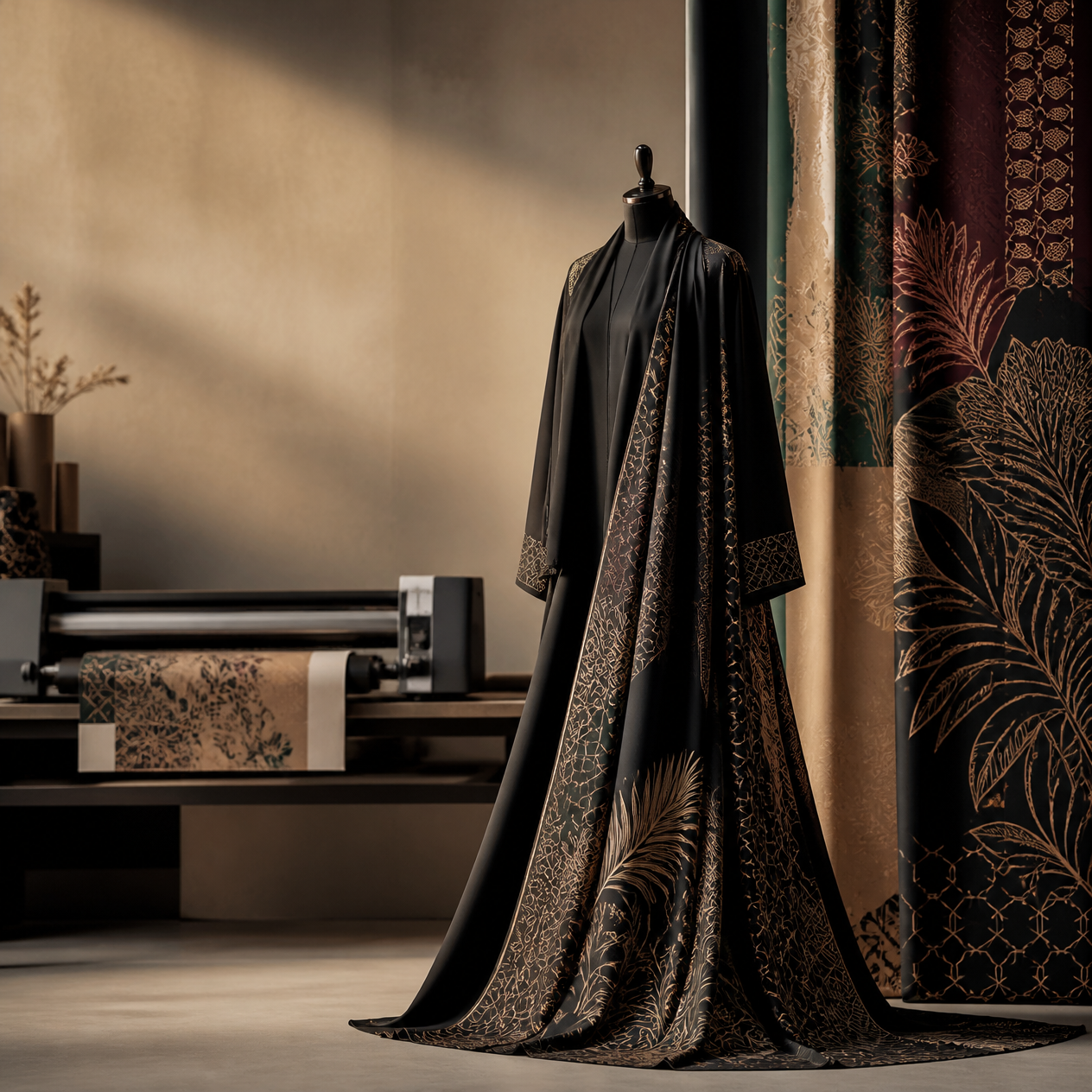
The luxury fashion market in Saudi Arabia continues to evolve, with customers looking for abayas that combine traditional elegance with modern designs. While fabric quality, tailoring, and finishing are important, printing also plays a major role in creating distinctive fashion collections. High-quality abaya printing allows designers and fashion brands to introduce unique patterns, detailed artwork, and elegant colors without compromising the comfort or appearance of the fabric.
For luxury fashion collections, fabric printing is not simply about adding decorative patterns. It involves selecting suitable fabrics, using advanced printing techniques, and maintaining consistent colour quality. Whether designing everyday premium abayas or exclusive occasion wear, the right fabric printing approach can make a significant difference in the final product.
1. Premium Print Quality Creates a Luxury Appearance
One of the first things customers notice about a luxury abaya is its overall appearance. Clear patterns, smooth color transitions, and well-defined details help create a refined look.
High-quality abaya printing ensures that designs appear sharp and professional, even when they include intricate floral patterns, geometric artwork, or custom illustrations. Poor printing, on the other hand, can result in uneven colours, blurred designs, and an inconsistent finish.
For Saudi Arabian fashion brands, where modest fashion collections often feature elegant and sophisticated designs, premium printing helps maintain the visual appeal expected from luxury garments.
2. Fabric Selection Makes a Significant Difference
Not every fabric produces the same printing results. The material must be selected according to the design, intended use, and overall style of the abaya.
Some commonly used fabrics include:
-
Crepe: Popular for abayas because of its elegant drape and comfortable feel.
-
Chiffon: Suitable for lightweight designs and decorative printed layers.
-
Satin: Offers a smooth surface and subtle shine for premium collections.
-
Cotton: Provides comfort and works well for selected casual and everyday designs.
Before starting a production run, designers should check how the selected fabric responds to printing. This helps achieve better colour reproduction and prevents unexpected results during manufacturing.
3. Advanced Fabric Printing Techniques Improve Design Accuracy
Modern fabric printing technology gives fashion designers greater creative flexibility. Different printing methods offer different advantages depending on the material, design complexity, and production requirements.
Some commonly used techniques include:
Digital Fabric Printing: This technique allows detailed artwork, multiple colours and complex patterns to be printed directly onto fabric. It is particularly useful for customized abaya collections and smaller production batches.
Sublimation Printing: This method uses heat to transfer dye into suitable fabrics, generally polyester-based materials. It produces vibrant and detailed designs but is not suitable for every fabric type.
Screen Printing: This method uses separate screens for different colours and can be suitable for larger production quantities where consistent designs are required.
Choosing the right technique helps fashion brands achieve the desired appearance while maintaining production efficiency.
4. Colour Consistency Is Essential for Luxury Collections
Colour accuracy is especially important when producing multiple pieces for the same collection. Even small differences in shades can affect the overall appearance of garments displayed together.
Professional fabric printing involves checking colour samples before approving bulk production. Designers should review the printed fabric under different lighting conditions to understand how colours appear in natural and indoor environments.
For example, neutral shades, soft pastels, elegant gold-inspired patterns, and deep colours are often considered for sophisticated abaya designs. Maintaining consistency across these shades helps create a professional collection.
5. Durable Printing Improves the Life of Abayas
Luxury fashion should offer more than an attractive appearance. Customers also expect garments to maintain their quality after regular use and washing.
High-quality abaya printing should provide good colour fastness, suitable fabric compatibility, and resistance to fading under recommended care conditions.
Before approving a fabric printing order, brands should consider:
-
Washing and colorfastness tests.
-
Resistance to rubbing and colour transfer.
-
Print durability on the selected material.
-
Proper fabric handling and finishing.
-
Compatibility with the garment's care instructions.
These checks help reduce quality issues and support customer satisfaction.
6. Custom Abaya Printing Helps Fashion Brands Build Their Identity
In Saudi Arabia's competitive modest fashion market, original designs can help brands establish a recognisable identity. Custom fabric printing allows designers to develop exclusive patterns instead of relying entirely on standard, ready-made designs.
For example, a fashion label can introduce coordinated floral patterns, subtle Arabic-inspired artwork, geometric elements or signature motifs across its seasonal collections.
Custom printing also provides flexibility in selecting colours, pattern sizes and placement. This makes it easier to create abayas that reflect a brand's design philosophy and appeal to its target customers.
7. What Should Brands Check Before Choosing an Abaya Printing Supplier?
Selecting the right printing partner is an important step in developing a luxury collection. Fashion businesses should evaluate more than just the printing price.
Consider the following factors:
-
Printing quality and available technology.
-
Experience with different fabric types.
-
Colour matching and sample approval facilities.
-
Custom design and pattern development.
-
Production capacity and delivery timelines.
-
Quality control and finishing standards.
Requesting a printed sample before bulk production is particularly useful. It allows designers to check the final appearance, fabric feel and print performance before making a larger commitment.
Conclusion
High-quality abaya printing brings together design creativity, suitable fabric selection, advanced printing technology and reliable quality control. For luxury fashion collections in Saudi Arabia, these elements help create garments that look elegant, feel comfortable, and maintain their appearance over time.
Whether you are launching a new modest fashion label or expanding an existing collection, investing in professional fabric printing can help distinguish your designs in a competitive market.
Frequently Asked Questions (FAQs)
1. What is the best printing method for luxury abayas?
Digital fabric printing is a popular option for luxury abayas because it supports detailed patterns, multiple colours and customized artwork. However, the best method depends on the fabric type and design requirements.
2. Which fabrics are suitable for abaya printing?
Crepe, chiffon, satin, and selected cotton fabrics can be used for printed abayas. The final choice depends on the desired appearance, comfort, drape, and compatibility with the printing technique.
3. How can I maintain the colour quality of printed abayas?
Follow the garment's recommended washing instructions, use suitable detergents, and avoid excessive heat. Proper fabric and ink selection during production also helps improve print durability.
4. Can fashion brands customise fabric prints for their abaya collections?
Yes. Custom fabric printing allows fashion brands to create exclusive patterns, select specific colours and develop signature designs that match their brand identity and collection requirements.

 English
 Arabic
 French
 Spanish
 Portuguese
 Deutsch
 Turkish
 Dutch
 Italiano
 Romaian
 Portuguese (Brazil)
 Greek