


Plastic Mould Maintenance: Preventing Wear and Defects
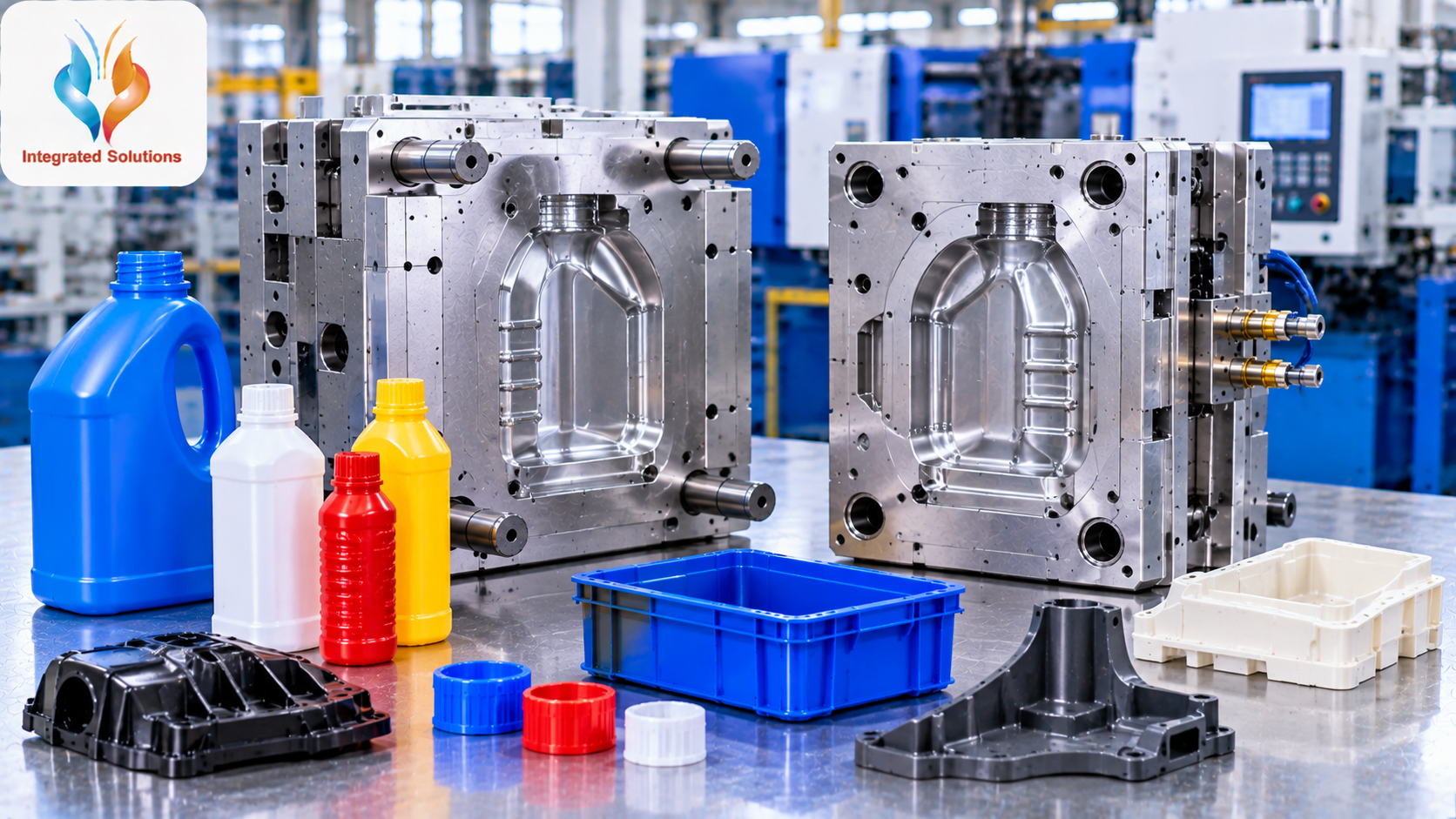
Plastic component manufacturers depend on reliable tooling to maintain production quality and meet delivery schedules. However, continuous production exposes moulds to mechanical stress, heat, friction, and material deposits. Without proper maintenance, these conditions can gradually affect mould performance.
Regular Plastic Mould maintenance helps manufacturing teams identify early signs of wear, reduce unexpected downtime, and maintain consistent component dimensions. It also protects the investment made in precision tooling.
Understanding common maintenance problems and adopting preventive inspection practices can help manufacturers avoid costly repairs and unexpected production interruptions.
Why Is Plastic Mould Maintenance Important?
A mould contains several precision-engineered components that must operate together during every production cycle. These include cavities, cores, guide pins, ejector systems, cooling channels, and moving inserts. Repeated heating and cooling, mechanical movement, and processing conditions can gradually affect these components.
For example, worn guide pins may create alignment problems. Blocked cooling channels can affect temperature control, while damaged cavity surfaces may leave visible marks on finished products. Routine inspections help engineers identify these issues before they develop into serious production failures.
Manufacturers can also improve maintenance planning by understanding the original tool structure through professional Plastic Tool Design Services.
Common Causes of Wear in Plastic Moulds
1. Continuous Mechanical Friction
Moving components experience friction during repeated production cycles. Ejector pins, slides, lifters, and guide mechanisms are particularly exposed to mechanical wear. Insufficient lubrication, contamination, or incorrect alignment can accelerate deterioration.
Maintenance teams should inspect moving components regularly and follow lubrication recommendations for the specific tooling system.
2. Corrosion and Moisture Exposure
Moisture can damage mould surfaces when tools are stored without suitable protection. Certain plastic materials may also release corrosive by-products during processing. These can affect vulnerable tooling surfaces if cleaning and material handling are inadequate.
Engineers should assess the material being processed and use appropriate cleaning methods, protective treatments, and storage conditions.
3. Excessive Processing Temperature
Operating outside recommended processing conditions can increase thermal stress and affect tool performance. Incorrect temperature settings may also contribute to material degradation or unwanted deposits inside the cavity.
Production teams should monitor barrel temperatures, mould temperatures, cooling performance, and material recommendations. Proper control helps reduce unnecessary thermal exposure and supports consistent manufacturing.
4. Poor Cleaning Practices
Plastic residue, dust, grease, and processing deposits can accumulate on mould surfaces. Using unsuitable cleaning chemicals or abrasive tools may damage precision surfaces and protective coatings.
Cleaning procedures should match the tool material, surface finish, and type of contamination. A controlled cleaning process helps preserve cavity accuracy and reduces the risk of avoidable surface damage.
Early Warning Signs of Mould Wear
Recognizing early symptoms allows manufacturers to schedule maintenance before major production problems occur.
Common warning signs include:
-
Flash appearing around previously acceptable parting lines.
-
New scratches, stains, or marks on moulded components.
-
Increased resistance during part ejection.
-
Unusual noises from moving mechanisms.
-
Changes in cooling performance or cycle time.
-
Repeated dimensional variation in finished products.
These symptoms do not always indicate tool wear. Processing conditions, material variation, and machine settings can produce similar problems.
Experienced Plastic Mould manufacturers should recommend systematic inspection before replacing or modifying tooling components. A correct diagnosis helps prevent unnecessary repair expenses and production delays.
How Preventive Maintenance Improves Tooling Performance
Preventive maintenance involves planned inspection, cleaning, lubrication, and component replacement based on actual operating conditions.
It should not depend only on fixed calendar intervals. Production cycles, material abrasiveness, tool complexity, and maintenance history also matter.
Inspect Critical Moving Components
Check ejector pins, guide pillars, bushings, slides, and other moving mechanisms for wear or damage. Verify that components move freely and maintain proper alignment.
Maintain Cooling Channels
Cooling efficiency has a direct influence on cycle stability and component quality. Inspect channels for scale, contamination, corrosion, and restricted flow. Use suitable cleaning procedures when necessary.
For recurring temperature-related defects, Mould Flow Analysis Services may help engineers evaluate cooling distribution and identify possible design limitations.
Protect Precision Surfaces
Inspect cavities and cores for scratches, corrosion, deposits, and surface deterioration. Avoid unnecessary polishing or aggressive cleaning because these operations may alter critical dimensions.
Maintain Inspection Records
Document maintenance dates, production cycle counts, observed defects, repairs, and replaced components. These records help teams identify recurring problems and plan future maintenance more effectively.
How Does Mould Wear Affect Finished Plastic Components?
Tooling wear can create defects that affect the appearance, dimensions, and functionality of manufactured products. For example, damage near a parting surface may increase flash. Ejector problems can leave visible marks, while alignment issues can affect dimensional consistency.
Manufacturers should compare inspection results with approved technical drawings and established quality requirements.
Regular examination of finished Plastic Parts can also help identify changes in production performance before defects become widespread.
Quality teams should inspect samples from different production stages rather than relying on a single acceptable component. This approach supports more reliable defect identification and corrective action.
When Should a Plastic Mould Be Repaired or Replaced?
Not every damaged tool requires complete replacement. Minor defects may be corrected through cleaning, component replacement, or approved repair procedures.
However, severe cavity damage, repeated dimensional failures, structural cracks, or extensive wear may require major refurbishment or new tooling. The decision should consider repair feasibility, expected remaining tool life, production demand, and the cost of future downtime.
Businesses should also evaluate whether changing product requirements justify investing in an updated mould design. A detailed technical inspection provides a stronger basis for this decision than repair cost alone.
Frequently Asked Questions
How often should a plastic mould be maintained?
Maintenance frequency depends on production cycles, processed materials, tool design, and operating conditions. Manufacturers should follow a documented inspection schedule based on tooling requirements and performance history.
What is the most common cause of mould wear?
Mechanical friction, contamination, corrosion, and unsuitable operating conditions are common contributors. The dominant cause varies according to the tool and manufacturing process.
Can regular maintenance extend mould service life?
Yes. Proper inspection, lubrication, cleaning, and timely repairs can reduce avoidable wear and help maintain reliable tooling performance.
How can manufacturers identify mould-related defects?
They can compare component dimensions, inspect surface defects, review production settings, and examine critical tooling components to identify the source of the problem.
Conclusion
Reliable plastic component production requires more than accurate initial tool manufacturing. Ongoing maintenance is equally important for maintaining dimensional consistency, controlling repair expenses, and reducing unexpected downtime. Businesses should prioritize preventive inspections, proper cleaning, cooling-system maintenance, and documented quality checks.
When evaluating Plastic Mould manufacturers in India, buyers should consider tooling quality, manufacturing capabilities, maintenance guidance, and technical support. Integrated Solutions provides custom Plastic Mould Manufacturing Solutions, including precision injection mould manufacturing, CNC and EDM machining, mould trials, and after-sales support.
Contact Integrated Solutions Now to discuss custom tooling requirements, mould performance, and manufacturing applications.

 English
 French
 Spanish
 Portuguese
 Deutsch
 Turkish
 Dutch
 Italiano
 Russian
 Romaian
 Portuguese (Brazil)
 Greek