


How Does Signage Board Printing Shape Modern Business Spaces
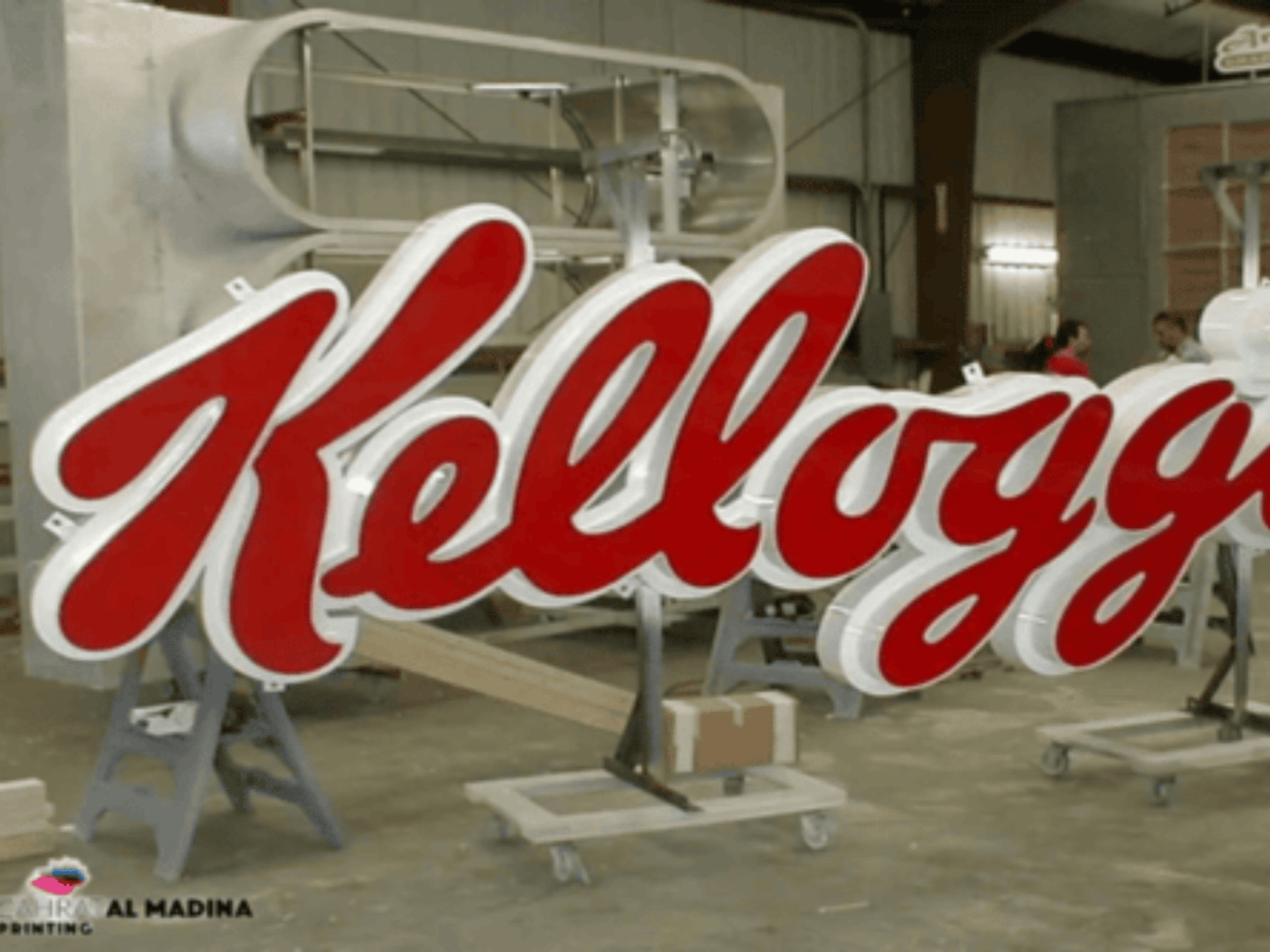
The appearance of a business premises can influence how customers recognise a brand and understand its services. From retail shops and restaurants to corporate offices and commercial buildings, signs communicate important information before anyone speaks to a member of staff. The process of signage board printing involves more than putting a name or logo onto a surface. It requires careful decisions about materials, colours, printing methods, dimensions and installation. A suitable sign should remain clear, complement its surroundings and withstand the conditions in which it is displayed. Understanding the available options helps business owners select signs that meet their practical needs while maintaining a consistent visual identity across different locations.
1. Understanding Signage Board Printing and Its Different Types
Businesses use printed sign boards for identification, advertising, directions and general communication. The right type depends on the installation location, viewing distance and information that needs to be displayed.
For example, a retail shop may need a large board above its entrance, while a corporate office might require smaller signs for reception areas, meeting rooms and departments. Although both applications involve signage, their design and production requirements are different.
Printed boards can feature simple text, company logos, photographs, decorative graphics or a combination of these elements. Some designs use flat printed surfaces, while others incorporate raised lettering, lighting or layered materials.
Common Applications of Printed Sign Boards
Sign boards are used in many commercial and public environments.
-
Retail shops: Display business names, logos and promotional information.
-
Restaurants and cafés: Identify entrances, menus and service areas.
-
Corporate offices: Display company identities, reception information and department names.
-
Shopping centres: Help visitors identify stores and navigate commercial spaces.
-
Hotels: Communicate room numbers, facility information and directions.
-
Construction sites: Display project information, safety instructions and site identification.
-
Exhibition spaces: Present company names, promotional graphics and event information.
Each application requires a different approach to size, material and visual presentation. A large outdoor board should be readable from a distance, whereas a small indoor sign can include more detailed information.
Choosing Between Flat and Three-Dimensional Signs
Flat signs display graphics directly on a board or panel. They are suitable for photographs, colourful designs, business information and promotional messages.
Three-dimensional signs use raised letters, logos or layered elements to create depth. They are commonly selected for shop entrances, reception walls and building façades where a more prominent appearance is required.
The decision depends on the available space, building design and overall budget. Both options can be effective when the layout and materials suit their intended environment.
2. Which Materials Are Used for Modern Business Signage?
The material affects a sign's appearance, weight, durability and maintenance requirements. Some materials are better suited to permanent outdoor installations, while others work well for temporary displays or indoor applications.
Before selecting a board, businesses should consider exposure to sunlight, rain, humidity, dust and regular cleaning.
Aluminium Signage for Commercial Buildings
Aluminium signage is widely used in commercial environments because aluminium is relatively lightweight, rigid and resistant to corrosion when appropriately specified and finished.
It can be used for building identification, shop fascia boards, directional signs and outdoor information panels. Its clean appearance also makes it suitable for contemporary architectural designs.
Aluminium signage can be produced in several ways, including:
-
Printed graphics applied to aluminium surfaces.
-
Direct printing on compatible aluminium panels.
-
Cut aluminium letters and logos.
-
Brushed or polished metal finishes.
-
Powder-coated panels in selected colours.
Aluminium composite panels are another option. They consist of two aluminium sheets bonded to a central core, creating a lightweight panel suitable for many large-format signs.
Advantages and Limitations of Aluminium
One advantage is its relatively low weight compared with many solid metal alternatives. This can make transportation and installation easier, particularly for larger boards.
However, the final performance depends on the panel specification, coating, fixing system and installation conditions. Scratches, unsuitable cleaning products and poor installation can affect the appearance over time.
For outdoor applications, businesses should select suitable finishes and ensure that the supporting structure can safely carry the sign.
Acrylic for Contemporary Sign Boards
Acrylic is another popular material for business signage. It has a smooth surface and is available in different colours, thicknesses and finishes.
It is commonly used for reception signs, wall displays, shop interiors and decorative name boards. Printed graphics can be applied to the surface, while cut letters and layered panels can create a raised appearance.
Acrylic can also be combined with lighting to produce illuminated displays. However, it needs careful handling because its surface can scratch if cleaned with abrasive materials.
PVC Foam Boards for Indoor Displays
PVC foam boards are lightweight and relatively easy to cut into different shapes. They are often used for exhibition displays, promotional panels, office notices and temporary advertising.
Their lower weight makes them convenient for installations that do not require heavy supporting structures.
However, the quality and thickness of the board should be considered before choosing it for outdoor applications. Not every PVC foam board is suitable for prolonged exposure to harsh weather.
Stainless Steel for Premium Finishes
Stainless steel is often selected for signs that need a more architectural or formal appearance. It can be used for company names, building identification and decorative lettering.
Brushed, polished and coloured finishes provide different design possibilities. Some signs use individually cut metal letters, while others combine stainless steel with acrylic backgrounds or lighting.
Although stainless steel can offer good durability, the grade and finish should match the environmental conditions, especially in areas exposed to moisture or coastal air.
3. How Does LED Signage Improve Visibility?
Lighting can change how a sign looks and performs, particularly in locations where businesses operate after sunset. Led signage dubai is relevant to retail outlets, restaurants, shopping areas and commercial buildings that need their signs to remain visible during evening hours.
LED technology uses light-emitting diodes to illuminate signs. Depending on the design, the lighting can be placed behind a panel, inside individual letters or around selected graphic elements.
Different Types of Illuminated Signs
Backlit signs: Lighting is positioned behind a translucent surface, allowing the graphics or lettering to appear illuminated.
Front-lit signs: Light is directed towards the front of the sign, helping the displayed information remain visible in low-light conditions.
Halo-lit letters: Individual letters are mounted slightly away from the wall, allowing light to create a glow behind their edges.
LED light boxes: These use an illuminated internal structure with a printed or translucent front panel.
Edge-lit acrylic signs: Light enters through the edges of an acrylic panel and highlights selected engraved or printed details.
Each design creates a different visual effect. A restaurant may choose illuminated lettering above its entrance, while a retail outlet might use a light box to display its name.
What Should Be Considered Before Installing LED Signs?
The brightness should match the surrounding environment. Excessively bright lighting may cause discomfort or make the sign difficult to read, especially in areas with other illuminated displays.
Colour temperature also affects the appearance. Warm white lighting can create a softer atmosphere, while cool white lighting often produces a sharper, more contemporary look.
Other considerations include:
-
Quality of LED modules and electrical components.
-
Accessibility for future maintenance.
-
Protection against moisture and dust.
-
Suitable power supply and wiring.
-
Heat management and ventilation.
-
Compliance with relevant installation and building requirements.
A well-designed illuminated sign should provide clear information without creating unnecessary glare or electrical maintenance problems.
Indoor and Outdoor LED Applications
Indoor illuminated signs are commonly installed behind reception desks, inside shopping centres and along commercial corridors. They usually face fewer environmental challenges than exterior signs.
Outdoor signs require more attention to weather protection, electrical connections and secure mounting. The lighting system should be selected according to the expected exposure and operating hours.
4. What Makes an Acrylic Signage Board Design Effective?
An attractive sign needs more than an interesting shape or colour combination. It should communicate its message clearly and remain suitable for its surroundings.
A good acrylic signage board design balances appearance, readability and practical requirements. The designer should understand the installation location before preparing the final artwork.
Selecting the Right Colours and Fonts
Colour contrast helps people recognise text quickly. For example, dark lettering on a light background can work well in many office and reception environments.
However, colour selection should also consider the business identity and surrounding interior design. A sign that clashes with the building's colours may look out of place.
Font selection is equally important. Decorative lettering can be useful for certain brand identities, but overly complicated fonts may become difficult to read.
For signs viewed from a distance, simple fonts and appropriately sized letters are generally more practical.
Choosing the Correct Acrylic Thickness
Acrylic thickness should be selected according to the board dimensions, mounting arrangement and design.
Smaller indoor signs may use relatively thin acrylic sheets, while larger boards may require thicker material or additional support to prevent unwanted movement.
The designer should also consider whether the board will be installed directly onto a wall, supported by spacers or mounted within a frame.
Printed Graphics and Layered Designs
Acrylic offers several design possibilities.
-
Directly printed graphics create a smooth, flat appearance.
-
Vinyl graphics can be applied to the surface.
-
Frosted acrylic provides a softer, translucent finish.
-
Layered acrylic panels add depth.
-
Raised lettering creates a dimensional effect.
For example, a reception sign may combine a coloured acrylic background with raised company lettering. A retail display may use printed graphics to communicate a product range or promotional message.
The most suitable option depends on the visual effect required and how frequently the sign may need updating.
Common Design Mistakes to Avoid
Using too many colours, placing excessive text on a small board and choosing unsuitable fonts can reduce readability.
Another common issue is failing to consider the background. Transparent acrylic, for instance, may need a suitable backing or contrasting design elements to make the wording visible.
Before production, the artwork should be reviewed at its actual dimensions. This helps identify spacing problems and ensures that the finished design looks balanced.
5. Why Is 3D Signage Popular in Dubai?
Commercial buildings and retail spaces often use dimensional lettering to create a noticeable visual identity. 3d signage dubai is commonly associated with shop names, reception walls, office branding and exterior building identification.
Unlike a standard flat board, three-dimensional signage uses raised components that extend away from the background. This creates depth and can produce different shadow effects depending on the lighting and viewing angle.
Materials Used for Three-Dimensional Signs
Several materials can be used to produce raised letters and logos.
Acrylic: Suitable for coloured letters, layered graphics and illuminated designs.
Aluminium: Provides a lightweight metal finish for commercial lettering and building signs.
Stainless steel: Often used for polished or brushed finishes in corporate and architectural environments.
PVC: Can be used for lightweight raised letters and indoor decorative applications.
Foam materials: Suitable for selected display applications where low weight is important.
The material should be selected according to the letter size, thickness, installation surface and expected exposure.
Illuminated and Non-Illuminated 3D Letters
Non-illuminated letters rely on natural or surrounding lighting. They are suitable for indoor walls, office reception areas and locations where additional lighting is unnecessary.
Illuminated letters include LED components to create a visible lighting effect. Some designs illuminate from the front, while others produce a halo effect behind each letter.
For example, a hotel may use backlit lettering behind its reception desk, whereas a retail shop may choose front-lit letters above its entrance.
Where Can 3D Signs Be Installed?
Common applications include:
-
Shop entrances and retail façades.
-
Office reception walls.
-
Hotel lobbies.
-
Restaurant branding.
-
Commercial building entrances.
-
Exhibition stands and event displays.
Installation requires accurate measurements and appropriate fixing methods. Larger letters may need individual mounting points or a supporting structure.
The wall material, letter weight and electrical arrangements should be checked before installation, particularly for exterior signs.
6. How Should Businesses Plan Their Signage Production?
A successful sign usually begins with a clear plan. Businesses that decide the design, material and installation requirements before production are less likely to face unnecessary changes later.
Start With the Purpose of the Sign
First, identify what the sign needs to achieve. A business identification board should make the company name visible, while a directional sign should help people reach a specific destination.
A promotional display may require photographs and additional wording, whereas an office name board usually needs only a department or room name.
Understanding the purpose helps the designer decide what information to include and what can be removed.
Measure the Installation Area
Accurate measurements are essential. The available wall space, mounting height and surrounding architectural features should be checked before preparing the artwork.
For an outdoor shop sign, the viewing distance and building frontage influence the letter size. For an indoor reception sign, the distance between the visitor and the wall helps determine the appropriate dimensions.
Businesses should also check property management guidelines and any applicable local approvals before producing exterior signage.
Select the Printing and Fabrication Method
The production method depends on the material and design.
UV printing is suitable for applying graphics directly to compatible rigid surfaces. Vinyl printing offers flexibility for applying graphics to different panels. Laser cutting and CNC routing can be used to produce shaped letters and decorative components.
Some projects combine several methods. A sign may use a printed background, cut acrylic lettering and integrated LED lighting.
Review the Finished Product
Before installation, check the sign for:
-
Correct spelling and business information.
-
Accurate colours and logo proportions.
-
Proper alignment and spacing.
-
Consistent letter sizes.
-
Smooth edges and clean finishing.
-
Suitable mounting points.
-
Working lighting components, where applicable.
For businesses comparing local production options, Zahrat Al Madina Printing is one example of a Dubai-based printing business operating within the commercial printing and signage sector.
7. What Are the Best Ways to Maintain Business Signage?
Even a well-produced sign needs occasional maintenance. Dust, sunlight, moisture and environmental pollution can gradually affect its appearance.
A regular inspection helps identify small problems before they become more serious.
Cleaning Different Sign Materials
Acrylic surfaces should be cleaned with a soft microfibre cloth and a suitable cleaning solution. Abrasive pads and harsh chemicals can cause scratches or damage the finish.
Aluminium panels can generally be cleaned with mild soap and water, followed by gentle drying. Suitable cleaning methods should follow the manufacturer's recommendations.
Stainless steel signs should be cleaned using products intended for the material. Wiping in the direction of the surface grain can help maintain a consistent finish.
For printed boards, avoid excessive rubbing over the graphics, particularly where vinyl or protective laminates are used.
Inspecting Outdoor Signs
Exterior signs should be checked periodically for loose fittings, damaged edges, fading and water penetration.
Large boards and illuminated displays may need additional inspection after severe weather. Any movement in the mounting structure should be addressed promptly.
Electrical components in illuminated signs should be inspected by a qualified professional when faults appear.
Knowing When to Replace a Sign
Replacement may be necessary when the graphics become difficult to read, the material deteriorates or the business changes its identity.
A sign with outdated contact details or an old company name can create confusion. Updating the artwork and replacing worn panels helps keep business information accurate.
For some installations, replacing only the printed face or graphic panel may be possible without changing the entire supporting structure. This can reduce material waste and unnecessary replacement costs.
Conclusion
Choosing the right business signage involves understanding the purpose, materials, design and installation requirements of each sign. Aluminium, acrylic, stainless steel and PVC offer different advantages, while LED lighting and dimensional lettering provide additional design possibilities. Businesses should consider visibility, readability, environmental conditions and long-term maintenance before making a decision. Careful planning also helps prevent common problems such as incorrect measurements, overcrowded layouts and unsuitable materials. When these practical details are addressed from the beginning, signage can provide clear communication and maintain a consistent business identity across different commercial environments.

 English
 Arabic
 French
 Spanish
 Portuguese
 Deutsch
 Turkish
 Dutch
 Italiano
 Russian
 Romaian
 Portuguese (Brazil)