


BOPA Film Price Trend: Market Overview and Q2 2026 Developments
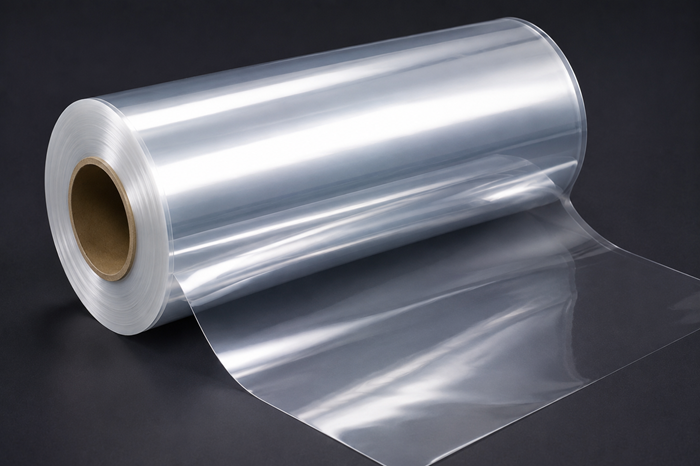
The BOPA film market has gone through a noticeable change during Q2 2026. Prices moved higher across many markets during the quarter, mainly because the cost of important raw materials increased and demand from packaging industries remained healthy. BOPA film is widely used where packaging needs good strength, flexibility, and resistance. Food packaging, pharmaceutical packaging, vacuum packaging, and retort applications are some of the important areas where this material is commonly used.
During the first part of Q2, higher caprolactam and Nylon 6 costs created a stronger cost base for film producers. Crude oil and benzene values also remained firm for much of the quarter, adding pressure to upstream production expenses. For manufacturers, higher raw material costs generally mean that maintaining previous selling prices becomes difficult. As a result, suppliers gradually increased their offers to protect margins.
Another important factor was the availability of material. Some Asian producers operated their plants carefully and maintained disciplined production rates. This limited the amount of material readily available in some regional markets. At the same time, freight expenses remained elevated during periods of geopolitical uncertainty. For buyers that depended on imports, the higher transportation cost added another layer of pressure to the final landed cost.
What happened in the global BOPA film market?
The global market started Q2 with a relatively firm tone. Buyers were already watching upstream raw material costs closely, while converters continued purchasing material for regular packaging requirements. Demand did not weaken significantly, particularly in food and pharmaceutical packaging.
Food packaging remained one of the strongest areas of consumption. The material is valued in packaging applications because it can provide strength and help products withstand handling, transportation, and storage. Pharmaceutical packaging also continued to generate steady demand, while vacuum and retort packaging provided additional support.
As raw material costs increased, producers became more cautious about offering lower prices. This was especially visible in Asian markets, where production costs and export quotations moved higher. Importers therefore had to consider not only the basic film price but also freight, insurance, currency movements, and other landing expenses.
The market also experienced a period of supply tightness. When producers operate at controlled rates, buyers can find it more difficult to obtain large quantities immediately. This does not always mean that there is an absolute shortage, but it can make the market more sensitive to changes in demand and raw material costs.
Raw material costs remain an important factor
The cost of caprolactam has been particularly important for the BOPA film market during Q2. Caprolactam is closely connected with Nylon 6 production, which is an important part of the BOPA manufacturing chain. When caprolactam becomes more expensive, the cost pressure can eventually move through the production chain and reach film buyers.
Nylon 6 costs also increased during the quarter. Producers therefore faced higher expenses before the finished film even reached the market. Along with this, crude oil and benzene remained firm during much of April and May. Energy and petrochemical costs can influence manufacturing, transportation, and other parts of the supply chain, so their impact can be broader than the cost of one individual raw material.
For buyers, this created a situation where postponing purchases did not necessarily guarantee lower costs. Many converters continued to buy according to their production requirements, particularly when they needed to maintain packaging output.
Packaging demand supports the market
One of the strongest supporting factors during Q2 was steady demand from packaging industries. Food producers continued to require flexible packaging materials, while pharmaceutical companies maintained their packaging requirements. Processed food manufacturers and other consumer product businesses also supported regular procurement.
Demand from these industries tends to be more consistent than demand from some highly cyclical industrial sectors. People continue buying packaged food and essential consumer products even when broader economic conditions become uncertain. This gives packaging materials a relatively stable consumption base.
At the same time, converters generally avoid carrying excessive inventories when raw material costs are unpredictable. They may purchase enough material for immediate production and maintain relatively cautious stock levels. This approach can create short periods of stronger buying when prices or supply conditions change quickly.
India sees a particularly strong increase
The Indian market recorded a particularly sharp movement during Q2 2026. The BOPA Film Price Trend in India increased by around 39% compared with the previous quarter, making it one of the strongest increases among the markets being monitored.
A major reason was the increase in Chinese export offers. Since India relies significantly on imported material for certain BOPA film requirements, higher export quotations can quickly influence the landed cost for Indian buyers.
The increase in Chinese production costs was connected with higher caprolactam and Nylon 6 values. Freight expenses also remained elevated during parts of the quarter. When these costs are combined, the final CIF cost for an Indian importer can rise considerably even before the material reaches the domestic market.
Demand in India also remained healthy. Food packaging continued to be an important source of consumption, while pharmaceutical packaging and processed food manufacturers maintained regular purchasing activity. This combination of higher import costs and steady demand gave suppliers room to maintain firm offers.
The Indian market therefore remained strong for most of the quarter. Buyers had to balance their purchasing requirements with the possibility of further changes in import costs. For many companies, securing enough material for ongoing production was more important than waiting for a significant decline that might not arrive quickly.
June brings some relief
The market began to change toward the end of Q2. Geopolitical concerns gradually eased, shipping conditions improved, and caprolactam prices moved lower. These developments reduced some of the cost pressure that had built up during the earlier part of the quarter.
Chinese export quotations also softened. As feedstock expenses came down and maritime logistics became easier, suppliers were able to offer material at more competitive levels. This affected import-dependent markets, including India.
In June, Indian BOPA film values declined by around 7%. The decrease did not completely reverse the strong gains recorded earlier in the quarter, but it showed that the market was beginning to respond to lower upstream costs and improved logistics.
This type of correction is quite normal after a sharp increase. Buyers who had previously been concerned about availability may become more cautious once supply improves. They may reduce immediate purchases and use existing inventories instead. Suppliers then face greater pressure to adjust offers in order to maintain sales.
What buyers and sellers should watch
Looking ahead, raw material costs will remain an important factor for the BOPA film market. Any major movement in caprolactam or Nylon 6 costs could influence producer pricing. Crude oil and benzene will also remain relevant because changes in upstream petrochemical costs can affect the wider manufacturing chain.
Freight costs are another area worth watching. Import-dependent markets can experience significant price changes when transportation costs rise suddenly. Even if the underlying film price remains stable, higher freight and insurance expenses can increase the landed cost for buyers.
Demand will also determine how quickly the market can stabilize. If food, pharmaceutical, and processed food packaging demand remains healthy, suppliers may find it easier to maintain firm prices. If converters become more cautious and reduce inventories, the market could face additional downward pressure.
Overall, Q2 2026 has shown how quickly the market can respond when raw material costs, logistics, supply, and demand move together. BOPA film prices are likely to remain sensitive to changes in caprolactam and Nylon 6 costs, freight conditions, production rates, and packaging demand. For the coming months, the balance between feedstock costs, Asian production, shipping conditions, and downstream consumption will be important in determining the next direction of the market.
Please Submit Your Query For BOPA Film Price Trend, Market Analysis and Forecast: https://www.price-watch.ai/book-a-demo/
About Price Watch™ AI
Price-Watch AI is an India-based, independent raw material price reporting agency that provides real-time price forecasts and data-driven insights into global raw material markets. Price-Watch AI specializes in tracking raw material prices, analyzing market trends, and delivering timely updates on plant shutdowns, supply disruptions, capacity expansions, and demand-supply dynamics. The Price-Watch AI platform empowers manufacturers, traders, and procurement professionals to make faster, smarter decisions. Leveraging AI-powered forecasting and over a decade of historical data, Price-Watch AI transforms market volatility into actionable opportunity.
Futura Tech Park,
C Block, 8th floor 334,
Old Mahabalipuram Road,
Sholinganallur, Chennai, Tamil Nadu, Pincode - 600119.
𝐋𝐢𝐧𝐤𝐞𝐝𝐈𝐧: https://www.linkedin.com/company/price-watch-ai/
𝐅𝐚𝐜𝐞𝐛𝐨𝐨𝐤: https://www.facebook.com/people//61568490385598/
𝐓𝐰𝐢𝐭𝐭𝐞𝐫: https://x.com/pricewatchai
𝐖𝐞𝐛𝐬𝐢𝐭𝐞: https://www.price-watch.ai/

 English
 Arabic
 French
 Spanish
 Portuguese
 Deutsch
 Turkish
 Dutch
Dutch
 Italiano
 Russian
 Romaian
 Portuguese (Brazil)