


Polycarbonate (PC) Price Trend: Market Overview and Q2 2026 Analysis
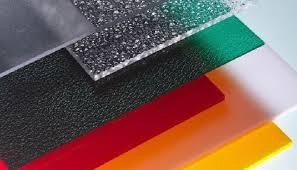
The global polycarbonate market moved higher during Q2 2026 as manufacturers faced increased production costs and tighter material availability. The market was influenced by several factors at the same time, including higher feedstock expenses, supply interruptions, changing logistics conditions, and steady demand from important manufacturing industries. Polycarbonate is widely used in products that need strength, durability, transparency, and resistance to heat, so changes in its cost can affect many downstream businesses.
During the first part of Q2, higher crude oil values and disruptions in petrochemical supply chains increased the cost of producing important raw materials. Naphtha availability was affected by geopolitical tensions in the Middle East, while the cost of aromatics also moved higher. These developments increased the production cost of Bisphenol A, an important raw material used in polycarbonate manufacturing. As producers faced higher costs, they became more cautious about pricing and supply availability.
Another important factor during the quarter was reduced production at some facilities in South Korea. Planned maintenance and lower operating rates reduced the amount of material available in the spot market. This was particularly important for buyers that depend on imported material. When supply becomes less flexible, buyers often have to accept higher offers or secure material earlier than usual. This added further support to the market during the quarter.
Demand from Key Industries Supports the Market
Demand remained reasonably healthy across several major end-use industries during Q2 2026. The automotive sector continued to use polycarbonate for different components where lightweight construction and durability are important. Electrical and electronics manufacturers also maintained demand because polycarbonate is commonly used in housings, connectors, protective parts, and other applications.
Construction and consumer goods provided additional support. Polycarbonate is used in applications where impact resistance and long service life are important, while consumer product manufacturers use the material for a wide range of durable components. Because demand did not weaken significantly during the quarter, producers were able to pass a portion of their increased costs to customers.
The market, however, was not driven by demand alone. Supply conditions played an equally important role. Buyers were dealing with higher replacement costs, while producers were managing output carefully. This created a situation where even moderate demand was enough to maintain upward pressure on the market.
Feedstock Costs Remain an Important Factor
The cost structure of polycarbonate is closely connected to upstream petrochemical markets. When crude oil and related feedstocks become more expensive, the effect can gradually move through the value chain. During Q2, higher crude oil values contributed to increased costs for naphtha and other petrochemical materials.
Bisphenol A was particularly important during this period. Higher production costs for Bisphenol A increased the expense of manufacturing polycarbonate. Producers therefore had to consider their raw material replacement costs when setting new offers.
This type of cost pressure can sometimes remain in the market even after crude oil prices begin to soften. Producers and traders may still be holding higher-cost inventories, meaning that selling prices do not immediately fall when upstream markets start correcting. This helps explain why the polycarbonate market remained firm even as some logistical conditions improved toward the end of Q2.
Supply Conditions Become Tighter
Supply availability was another major factor behind the quarterly movement. Maintenance at important production facilities can have a noticeable effect when the market is already operating with limited spare supply. Reduced operating rates in South Korea restricted spot availability and encouraged some buyers to look for material earlier.
For import-dependent markets, the situation was even more important. Longer shipping routes, higher freight expenses, and uncertainty around cargo movements increased the cost of bringing material into local markets. Importers had to consider not only the polymer price but also transportation, insurance, financing, and other related expenses.
As shipping conditions gradually improved toward June, some pressure started to ease. However, the improvement was not enough to completely reverse the earlier increase because feedstock costs remained relatively high and supply was still not completely comfortable.
India Market Shows a Strong Increase
India experienced a particularly strong movement during Q2 2026. The domestic market increased by 32.69% compared with Q1 2026, according to the supplied market data. The rise was mainly connected to higher import replacement costs, limited local availability, and firm international offers.
Indian buyers are influenced heavily by import economics because overseas supply plays an important role in the domestic market, making Polycarbonate (PC) Prices particularly sensitive to changes in international offers and import replacement costs.
During the quarter, elevated South Korean export prices added to this pressure. Higher Bisphenol A production costs and constrained export availability increased the cost of imported material. Traders and distributors therefore faced higher procurement expenses, which eventually influenced domestic offers.
Demand in India also remained supportive. Automotive, electrical, electronics, and consumer goods manufacturers continued purchasing material. Although buyers were conscious of higher costs, the need to maintain production meant that procurement could not stop completely.
June Brings Some Correction in India
The Indian market changed direction slightly in June. The supplied data indicates that domestic polycarbonate prices declined by 4.97% during the month.
The main reason was an improvement in imported cargo arrivals. Better material availability reduced some of the supply pressure that had been present earlier in the quarter. Overseas sellers also became more competitive, which lowered import parity and reduced replacement costs for Indian buyers.
Downstream buyers also became more cautious. After a significant increase earlier in the quarter, some customers preferred to purchase only the material they immediately needed instead of building large inventories. This type of buying behaviour can quickly reduce upward pressure when supply availability starts improving.
The June correction does not necessarily mean that the entire market had turned weak. Instead, it showed how quickly pricing can respond when imported supply improves and buyers become more careful.
What Buyers and Manufacturers Are Watching
For buyers, feedstock costs remain one of the most important indicators. Any significant movement in crude oil, naphtha, aromatics, or Bisphenol A can influence future polymer offers. Buyers also need to monitor plant operating rates because unexpected maintenance or production interruptions can tighten availability quickly.
Manufacturers, meanwhile, are watching downstream demand. If automotive, electronics, construction, and consumer goods activity remains healthy, producers may have more flexibility to maintain firm offers. If these industries slow down, buyers may gain greater negotiating power.
Freight rates are another factor to watch. Improvements in shipping conditions can reduce landed costs, particularly in markets that rely heavily on imports. However, any new disruption in major shipping routes could quickly bring logistics costs back into focus.
Market Outlook
Looking ahead, the polycarbonate market is likely to remain sensitive to the balance between feedstock costs, supply availability, and downstream demand. The sharp increase seen during Q2 shows how quickly prices can respond when several cost and supply pressures occur together.
At the same time, the June correction in India demonstrates that improved imports and cautious buying can bring prices down even after a strong quarterly increase. This suggests that the market may remain uneven rather than moving in one direction continuously.
For the coming period, buyers are likely to focus more closely on inventory levels and international offers before making large purchasing decisions. Producers may continue to manage operating rates carefully while monitoring their raw material costs.
Overall, the Polycarbonate (PC) price trend during Q2 2026 was mainly shaped by higher feedstock costs, restricted supply, geopolitical uncertainty, and stable industrial demand. The Indian market recorded a particularly strong quarterly increase, although the June correction showed early signs of changing market conditions. The direction ahead will depend largely on how quickly supply improves, whether feedstock costs remain elevated, and how downstream industries respond to higher material costs.
Please Submit Your Query For Polycarbonate Price Trend, Market Analysis and Forecast: https://www.price-watch.ai/book-a-demo/
About Price Watch™ AI
Price-Watch AI is an India-based, independent raw material price reporting agency that provides real-time price forecasts and data-driven insights into global raw material markets. Price-Watch AI specializes in tracking raw material prices, analyzing market trends, and delivering timely updates on plant shutdowns, supply disruptions, capacity expansions, and demand-supply dynamics. The Price-Watch AI platform empowers manufacturers, traders, and procurement professionals to make faster, smarter decisions. Leveraging AI-powered forecasting and over a decade of historical data, Price-Watch AI transforms market volatility into actionable opportunity.
Futura Tech Park,
C Block, 8th floor 334,
Old Mahabalipuram Road,
Sholinganallur, Chennai, Tamil Nadu, Pincode - 600119.
𝐋𝐢𝐧𝐤𝐞𝐝𝐈𝐧: https://www.linkedin.com/company/price-watch-ai/
𝐅𝐚𝐜𝐞𝐛𝐨𝐨𝐤: https://www.facebook.com/people//61568490385598/
𝐓𝐰𝐢𝐭𝐭𝐞𝐫: https://x.com/pricewatchai
𝐖𝐞𝐛𝐬𝐢𝐭𝐞: https://www.price-watch.ai/

 English
 Arabic
 French
 Spanish
 Portuguese
 Deutsch
 Turkish
 Dutch
Dutch
 Italiano
 Russian
 Portuguese (Brazil)
 Greek
Greek