


How tarsal platform show determines ideal blepharoplasty outcome
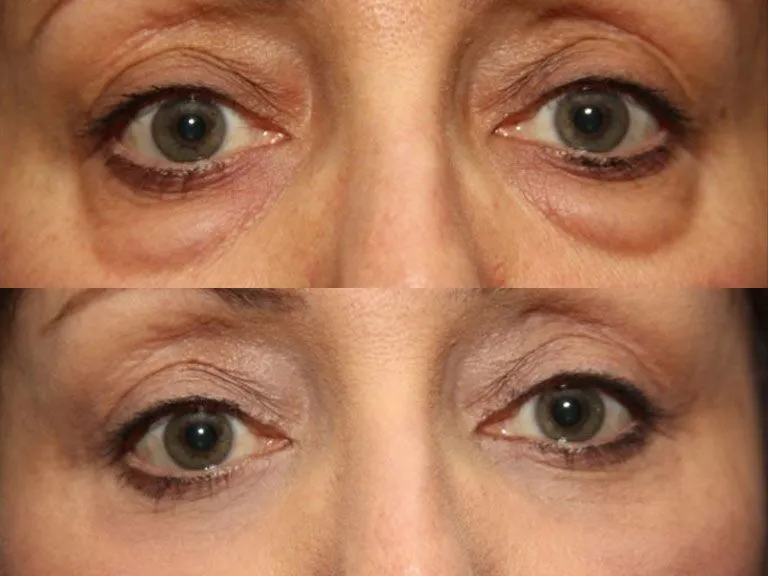
Most people considering eyelid surgery focus on what they want removed the hooding, the heaviness, the tired look. What they rarely think about is what needs to remain visible for the result to look natural. That visible strip of eyelid between the lashes and the crease is called the tarsal platform, and how much of it shows after surgery is one of the most important measurements guiding a successful outcome. Understanding this concept before your consultation can help you ask better questions and set more realistic expectations about what blepharoplasty can actually deliver for your specific anatomy.
What the Tarsal Platform
The tarsal platfor sometimes called the tarsal platform show refers to the visible portion of the upper eyelid skin that sits between the eyelash line and the eyelid crease. In a youthful, naturally defined eye, this strip is visible, smooth, and proportionate. It is what gives the eye an open, alert appearance.
When excess skin droops down from above and covers this strip entirely, the eye looks heavy and tired. When surgery removes or repositions that excess skin, the tarsal platform becomes visible again and how much of it is revealed directly determines whether the result looks refreshed and natural or overdone and artificial.
Why It Matters More Than Most Patients Realize
The tarsal platform show is not just an aesthetic measurement it is a structural guide that surgeons use to plan precisely how much tissue to remove or reposition during blepharoplasty. Too little platform show after surgery produces a result that looks unchanged or insufficient. Too much creates a high, unnatural crease that immediately signals surgical intervention.
Getting this measurement right is what separates a result that makes people say "you look well-rested" from one that makes them say "you've had work done."
The Target Range
In most patients, a tarsal platform show of 3 to 5 millimetresis considered the sweet spot for a natural, aesthetically balanced result. This range provides enough visible eyelid to create a defined, open appearance without looking exaggerated. Surgeons plan the amount of skin to tuck or remove based specifically on achieving this target not simply on how much excess tissue is present.
This is one reason why two patients with the same degree of hooding may end up with different amounts of tissue removed during surgery. The goal is not to take away as much as possible it is to reveal exactly the right amount of tarsal platform for that individual's anatomy and aesthetic goals.
How Surgeons Measure and Plan Around It
Before any incision is made, careful preoperative planning involves determining both the desired tarsal platform show and how much excess skin needs to be addressed to achieve it. This is done with the patient in an upright, sitting position because eyelid anatomy shifts when lying down, and markings made in a reclined position can lead to inaccurate results.
In the tuck-based MINEL technique, a Putterman eyelid creaser is used to gently fold the excess skin inward during marking, allowing the surgeon to preview exactly how much skin needs to be tucked to produce the intended platform show before a single incision is made. The first marking is placed at the mid-pupillary line, corresponding to the highest point of the new eyelid crease. This previewing step is one of the key advantages of tissue-preserving approaches; the outcome can be visualized and adjusted before the procedure even begins.
Personalizing the Result
Tarsal platform show is not a one-size-fits-all target. The ideal measurement varies based on sever al indivi du all factors.
-
Gender: Women typically have slightly more tarsal platform show than men, where a lower crease and less visible platform tends to look more natural
-
Ethnicity: Eyelid anatomy varies meaningfully across different ethnic backgrounds, with different crease heights and platform proportions considered natural and aesthetically harmonious for different patients
-
Age: Younger patients often want a subtler correction with a modest platform show, while older patients correcting significant hooding may require slightly more platform exposure to achieve a meaningfully refreshed result
-
Personal preference: Within a safe anatomical range, the patient's own goals play a genuine role in determining the final target
What Goes Wrong When Platform Show Is Misjudged
An incorrect tarsal platform assessment is one of the most common root causes of unsatisfying blepharoplasty results and revision surgery requests. When too much skin is removed and the platform show becomes excessive, the crease sits unnaturally high an outcome that is difficult to correct and often requires complex revision work involving skin grafting or careful scar revision.
When too little skin is addressed and platform show remains inadequate, patients feel their result is underwhelming the eye still looks heavy despite having undergone surgery. This outcome, while easier to address than over-resection, still means an additional procedure and additional recovery time.
Both scenarios underscore why precision planning around this single measurement is so fundamental to a successful eyelid surgery outcome.
The Connection Between Platform Show and Crease Height
Tarsal platform show and crease height are directly linked and both must be planned together rather than in isolation. The crease height refers to how high above the lash line the eyelid fold sits. In the levator aponeurosis anchoring technique used in tuck-based approaches, the level at which the sutures are anchored determines both the crease height and the resulting platform show simultaneously.
This is why even small miscalculations in suture placement or tissue handling can shift the outcome meaningfully. Surgeons typically establish multiple anchoring points usually two to three per incision to ensure the crease forms evenly across the full width of the lid and the platform show is consistent from the inner to the outer corner of the eye.
What Patients Should Ask in Consultation
Understanding tarsal platform show gives patients a much more useful framework for discussing their goals with a surgeon. Rather than simply saying "I want less hooding," patients can ask their surgeon directly what tarsal platform show is being targeted, how it compares to their current anatomy, and what the result will look like in practical terms.
Questions worth raising include how the surgeon plans and marks the crease position before surgery, what the intended platform show measurement is, and whether the technique being recommended excision or tucking best suits the degree of correction needed to reach that target.
Conclusion
The tarsal platform show is the quiet detail behind every successful eyelid surgery result. It is the measurement that determines whether a blepharoplasty outcome looks naturally refreshed or obviously surgical and it is planned carefully before a single incision is made. By understanding what this measurement means and why it matters, patients are better equipped to have a meaningful conversation with their surgeon, set realistic expectations, and ultimately achieve the open, alert, naturally youthful result they are looking for.

 English
 Arabic
 French
 Spanish
 Portuguese
 Deutsch
 Turkish
 Dutch
Dutch
 Italiano
 Russian
 Portuguese (Brazil)
 Greek
Greek