


Common Childhood Orthopedic Conditions Parents Should Know About
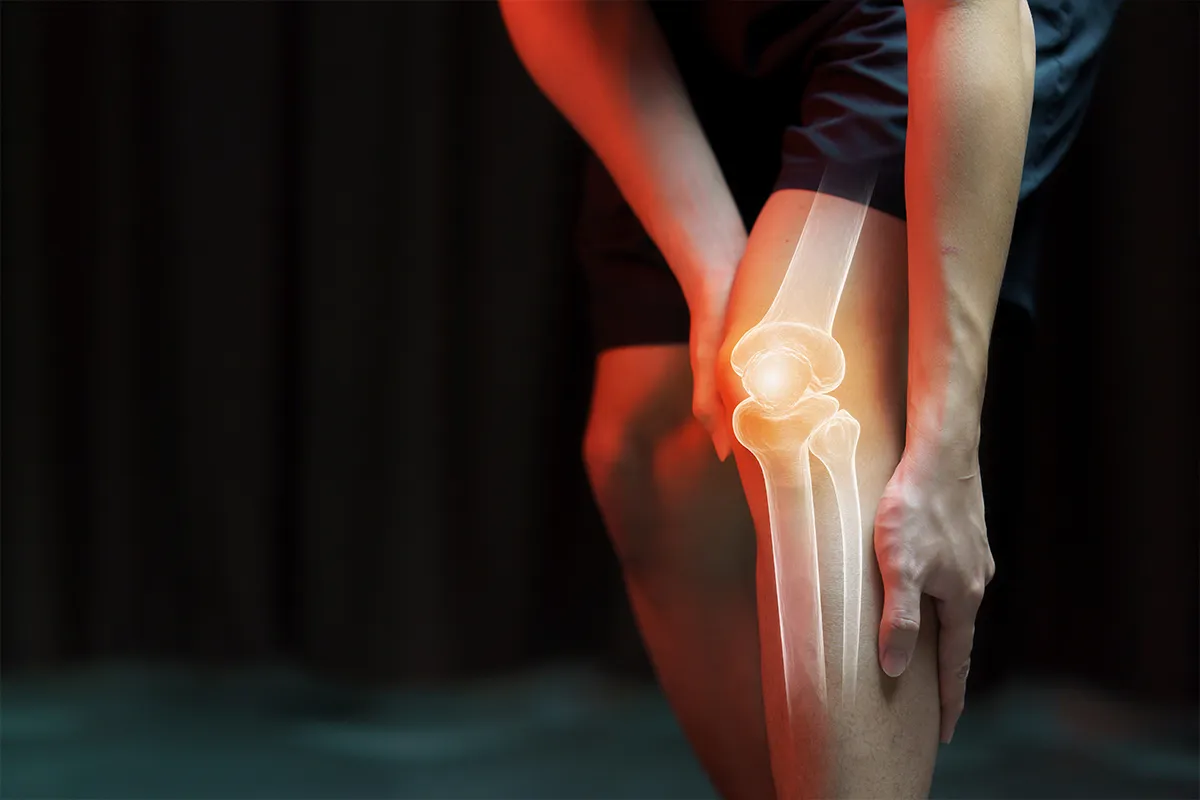
Children experience several physical changes as they grow, including developments in their bones, muscles, joints and posture. Although many childhood movement patterns are part of normal development, some may indicate an underlying orthopedic condition that requires medical attention. Recognising these issues early can help parents seek appropriate care and support their child's healthy physical development.
Orthopedic conditions in children can affect their ability to walk, run, play sports and participate in everyday activities. Some conditions are present at birth, while others develop during childhood because of growth patterns, injuries or other factors. Understanding common childhood orthopedic problems can help parents recognise warning signs and make informed decisions about their children's health.
1. Flat Feet
Flat feet are relatively common in young children. This condition occurs when the arches on the inside of the feet are not clearly visible, causing most or all of the sole to touch the ground when standing.
In many children, flat feet are a normal part of development, and the arches become more noticeable as they grow. However, some children may experience discomfort, stiffness or difficulty participating in physical activities.
Parents should pay attention to symptoms such as:
-
Persistent foot or ankle pain.
-
Difficulty walking or running.
-
Uneven shoe wear.
-
Reduced flexibility in the feet.
-
Frequent complaints of tired legs.
Most flexible flat feet do not require treatment. However, persistent pain or stiffness should be evaluated by a healthcare professional.
2. Clubfoot
Clubfoot is a congenital condition in which one or both feet turn inward and downward. It is usually present at birth and occurs because the bones, muscles, tendons and ligaments of the foot develop differently.
Without appropriate treatment, clubfoot can affect walking and cause long-term mobility difficulties. Early diagnosis is important because treatment is generally more effective when started during infancy.
The Ponseti method is a commonly used treatment approach involving gentle manipulation, serial casting and, in some cases, a minor surgical procedure to improve foot positioning. Bracing is usually recommended afterwards to help maintain the correction.
Parents should follow the treatment plan and attend regular follow-up appointments to monitor their child's progress.
3. Developmental Dysplasia of the Hip
Developmental dysplasia of the hip (DDH) occurs when the hip joint does not develop properly. The ball of the thighbone may not fit securely into the hip socket, resulting in an unstable or incorrectly positioned joint.
This condition may be present at birth or develop during early childhood. Some children show no obvious symptoms, which makes routine screening particularly important.
Possible signs include:
-
Uneven skin folds around the thighs.
-
Differences in leg length.
-
Limited movement in one hip.
-
A noticeable difference in leg positioning.
-
Limping in children who have started walking.
Treatment depends on the child's age and the severity of the condition. Options may include a specialised harness, bracing or surgery in more advanced cases.
4. Knock Knees
Knock knees, medically known as genu valgum, occur when the knees angle inward while the ankles remain apart. This appearance is common during certain stages of childhood development.
Many children naturally develop knock knees around the age of three to four, and the alignment often improves as they grow. However, significant or persistent inward knee positioning may require medical assessment.
Parents should seek professional advice if the condition is severe, affects only one leg, causes pain or makes walking difficult.
An assessment at an Orthopedic Clinic in Abu Dhabi can help determine whether the knee alignment is part of normal growth or requires further investigation. Treatment depends on the underlying cause and the child's developmental stage.
5. Bow Legs
Bow legs, also called genu varum, describe a condition in which the knees remain apart when a child stands with their feet and ankles together.
This appearance is common in infants and toddlers because of their natural positioning before birth. In most cases, the legs gradually straighten as the child develops.
However, parents should not ignore bow legs that become more pronounced, affect only one side or continue beyond the expected developmental period.
Possible underlying causes include nutritional deficiencies, bone development disorders and certain medical conditions. A healthcare professional may recommend an examination and imaging tests to identify the cause.
6. Scoliosis
Scoliosis is a condition involving an abnormal sideways curvature of the spine. It commonly develops during childhood or adolescence, particularly around periods of rapid growth.
Some children experience no discomfort, making the condition difficult for parents to identify without noticing changes in posture.
Common signs include:
-
Uneven shoulders.
-
One shoulder blade appearing more prominent.
-
Uneven waistline.
-
One hip appearing higher than the other.
-
A noticeable sideways spinal curve.
Treatment depends on the severity of the curvature, the child's age and remaining growth. Mild cases may require regular monitoring, while more significant curves may need bracing or surgical intervention.
7. Osgood-Schlatter Disease
Osgood-Schlatter disease is a common cause of knee pain in physically active children and adolescents. It typically affects young people experiencing growth spurts, particularly those involved in running, jumping and sports.
The condition develops when the tendon connecting the kneecap to the shinbone repeatedly pulls on the developing bone attachment below the knee.
Symptoms commonly include pain, swelling and tenderness just below the kneecap. Discomfort may become worse during physical activities such as football, basketball and running.
Treatment usually involves activity modification, appropriate rest, stretching exercises and pain management under professional guidance. Most children improve as their bones finish growing.
8. Growing Pains
Growing pains refer to recurring aches in the legs, usually affecting children between the ages of three and twelve. They commonly occur in the evening or at night and may disappear by the following morning.
The discomfort often affects both legs, particularly the muscles around the thighs, calves and knees.
Although growing pains are generally harmless, parents should not automatically assume that every episode of childhood leg pain is related to growth.
Medical assessment is recommended if pain is persistent, affects only one leg, causes swelling or is accompanied by fever, limping or reduced movement.
When Should Parents Consult an Orthopedic Specialist?
Not every childhood orthopedic condition requires medical treatment. However, recognising unusual symptoms and seeking professional advice can help prevent certain problems from becoming more complicated.
Parents should consider consulting a specialist if their child experiences persistent joint pain, difficulty walking, unusual limb positioning, restricted movement or repeated sports-related injuries.
An Orthopedic Doctor in Abu Dhabi can assess the child's symptoms, review their medical history and recommend appropriate investigations when necessary. Depending on the condition, treatment may involve monitoring, physiotherapy, supportive devices, medication or surgery.
Choosing an experienced specialist at a reputable Orthopedic Clinic can also help parents understand available treatment options and follow-up requirements.
How Can Parents Support Healthy Bone and Joint Development?
Parents can encourage healthy musculoskeletal development through simple everyday habits. A balanced diet, regular physical activity and appropriate medical check-ups all contribute to children's overall physical health.
Some helpful practices include:
-
Encourage age-appropriate physical activities and outdoor play.
-
Provide calcium-rich foods and adequate vitamin D through diet and medical guidance.
-
Ensure children wear comfortable, properly fitted footwear.
-
Promote good posture during sitting, studying and screen use.
-
Avoid excessive training or repetitive physical strain.
-
Seek medical advice when unusual symptoms persist.
Parents should also ensure children receive appropriate recovery time after sports activities and avoid pushing them through pain.
Conclusion
Childhood orthopedic conditions can affect bone development, posture, joint alignment and everyday movement. While many issues, such as flexible flat feet and early knock knees, improve naturally with growth, others may require timely medical assessment and treatment.
Parents should pay attention to persistent pain, unusual walking patterns, restricted movement and visible changes in posture. Consulting an experienced orthopedic specialist can help identify potential concerns and determine the most appropriate care. Early recognition, professional guidance and healthy daily habits can support children's mobility and long-term musculoskeletal health.

 English
 Arabic
 Spanish
 Portuguese
 Deutsch
 Turkish
 Dutch
 Italiano
 Russian
 Romaian
 Portuguese (Brazil)
 Greek