


Nissan Battery Warranty: What Hybrid Owners Need to Know
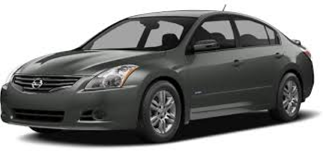
A reliable battery is essential to the performance, efficiency, and dependability of a hybrid vehicle. For Nissan hybrid owners, understanding the Nissan battery warranty can make it easier to plan maintenance, identify potential coverage, and make informed decisions when battery problems occur. Hybrid batteries are designed to operate for many years, but factors such as age, mileage, driving conditions, temperature, and battery degradation can eventually affect performance.
Whether you own a Nissan hybrid, are considering purchasing one, or are experiencing warning lights and reduced fuel economy, understanding battery warranty coverage is an important part of responsible vehicle ownership. Warranty terms can vary depending on the vehicle model, model year, location, and applicable warranty policies, so owners should always review the documentation specific to their vehicle.
What Is a Nissan Battery Warranty?
A Nissan battery warranty is designed to provide coverage for qualifying battery-related defects or failures during a specified period. The exact terms depend on the Nissan vehicle, model year, battery type, and applicable warranty documentation.
Hybrid vehicles use sophisticated battery systems that work alongside the gasoline engine and other electrical components. Unlike a conventional 12-volt car battery, a hybrid traction battery contains numerous cells and components that work together to store and deliver electrical energy.
When a battery develops a covered defect, the warranty may help reduce the financial burden associated with repairs or replacement. However, warranty coverage does not necessarily mean that every battery-related problem will qualify. Normal wear, degradation, misuse, accident damage, or other exclusions may affect eligibility.
For this reason, Nissan owners should understand both what their warranty covers and what it does not cover.
How Does a Nissan Battery Warranty Work?
The Nissan battery warranty generally applies according to specific time and mileage limitations established for the vehicle. These limits can differ among models and model years, making it important to check the warranty information associated with your specific Nissan.
Warranty coverage typically involves an evaluation of the vehicle to determine whether the battery problem qualifies under the manufacturer's terms. If a covered defect is identified, the appropriate warranty procedure may be followed.
Several factors can influence a warranty claim, including:
-
Vehicle model and model year
-
Current mileage
-
Date of purchase or original in-service date
-
Battery type
-
Nature of the battery problem
-
Maintenance and service history
-
Location where the vehicle was originally sold or operated
-
Applicable warranty exclusions
Because warranty policies can change over time, owners should avoid assuming that coverage for one Nissan model automatically applies to another.
Why Warranty Terms Matter
Hybrid battery replacement can represent a significant vehicle expense. Knowing the applicable warranty terms before authorizing major repairs can help you understand your options.
A warranty may provide peace of mind during the period in which qualifying failures are covered. Once warranty coverage expires, however, owners may need to consider other repair or replacement solutions.
What Does a Nissan Battery Warranty Typically Cover?
The exact details of a Nissan battery warranty depend on the vehicle and warranty documentation. In general, manufacturers distinguish between defects or failures and normal battery degradation.
A battery that experiences a qualifying manufacturing defect may be treated differently from a battery that has gradually lost capacity through normal use.
Potential warranty-related issues may include certain failures involving battery components or systems when those failures meet the manufacturer's coverage requirements. However, coverage should never be assumed solely because a battery is performing poorly.
Hybrid batteries naturally experience changes over time. Reduced capacity does not always mean that the battery has suffered a warranty-covered defect.
Battery Degradation Versus Battery Failure
This distinction is particularly important for hybrid owners.
Battery degradation occurs gradually as a battery ages and loses some of its ability to store and deliver energy. Symptoms may include declining fuel economy, reduced electric-assist performance, or changes in battery charge behavior.
Battery failure, on the other hand, may involve a malfunctioning component, damaged cell group, electrical issue, or other condition that prevents the system from operating properly.
A professional diagnostic assessment can help determine what may be happening and whether further inspection is necessary.
What Can Cause Nissan Hybrid Battery Problems?
Several factors can affect hybrid battery performance over the life of a vehicle. Age is one of the most common considerations. Even when a vehicle is driven carefully, battery chemistry changes over time.
Temperature can also influence battery operation. Hybrid batteries are designed with thermal management systems, but repeated exposure to extreme conditions can place additional demands on the battery and associated components.
Other potential contributors include:
-
High vehicle mileage
-
Long periods of vehicle inactivity
-
Cooling-system problems
-
Electrical system faults
-
Damaged battery components
-
Poor maintenance
-
Excessive heat exposure
-
Problems with battery cooling airflow
Not every issue indicates that the entire hybrid battery needs replacement. In some situations, diagnosis may identify a problem with an individual component, connection, cooling system, or related electrical system.
Signs You May Need Nissan Battery Service
Understanding warning signs can help Nissan owners address potential problems before they become more serious.
One common indication is a noticeable decline in fuel economy. Hybrid systems are designed to optimize fuel consumption by combining electric power with gasoline engine operation. When the battery is not performing efficiently, the vehicle may rely more heavily on its gasoline engine.
Other signs can include:
-
Hybrid system warning lights
-
Reduced acceleration
-
Unusual fluctuations in battery charge levels
-
Increased engine operation
-
Poor fuel economy
-
Cooling fan activity that seems unusual
-
Diagnostic trouble codes
-
Changes in overall hybrid system performance
These symptoms can have multiple causes, so they should not automatically be attributed to the hybrid battery.
A proper diagnostic process is important before deciding whether repair, reconditioning, or replacement is appropriate.
Why Professional Battery Diagnostics Matter
When a hybrid vehicle displays battery-related symptoms, replacing the entire battery immediately may not always be the best first step. A professional diagnostic evaluation can provide more information about the condition of the system.
Diagnostics may involve examining fault codes, battery performance, cell or module behavior, electrical connections, and other components associated with the hybrid system.
This information can help determine whether the problem appears to involve:
-
The battery pack
-
Individual battery modules or cells
-
Battery management electronics
-
Cooling components
-
Wiring or electrical connections
-
Another hybrid system component
A systematic diagnosis can prevent unnecessary replacement and help vehicle owners understand the repair options available to them.
What Happens When Nissan Battery Warranty Coverage Expires?
Once a Nissan battery warranty expires, owners are generally responsible for eligible repair costs unless another coverage arrangement applies. This is why understanding alternative repair solutions can be valuable for owners of older hybrid vehicles.
A dealer replacement may be one option, but it is not necessarily the only path to explore. Depending on the vehicle's condition and the nature of the problem, specialized hybrid battery services may provide additional alternatives.
Possible options can include:
-
Professional battery diagnostics
-
Battery repair
-
Module-level service
-
Battery reconditioning, where appropriate
-
Replacement with a suitable battery assembly
The right choice depends on the battery's condition, vehicle age, mileage, expected future use, and overall repair economics.
How to Protect Your Nissan Hybrid Battery
Although no battery lasts forever, responsible vehicle care can help support long-term hybrid system performance.
Follow the manufacturer's recommended maintenance schedule and pay attention to warning indicators. If your vehicle has a battery cooling system or ventilation intake, keeping the relevant area clean and unobstructed can also be important.
Drivers should also address unusual hybrid system behavior promptly. Ignoring warning lights or noticeable performance changes may allow a relatively manageable issue to develop into a more complicated problem.
Regular inspections become particularly valuable as a hybrid vehicle gets older.
How to Check Your Nissan Battery Warranty
If you want to determine whether your vehicle still has Nissan battery warranty coverage, begin with the vehicle's warranty documentation. You can also contact an authorized Nissan service department with the vehicle identification information needed to verify applicable coverage.
Keep the following information available:
-
Vehicle identification number (VIN)
-
Nissan model
-
Model year
-
Current mileage
-
Purchase or service documentation
-
Description of the battery symptoms
A warranty representative or service professional can use this information to determine which coverage may apply.
It is also useful to ask specific questions rather than simply asking whether the battery is "covered." Ask what type of failure qualifies, whether diagnostic costs are included, what exclusions apply, and what repair or replacement procedure is available.
Nissan Battery Warranty and Independent Hybrid Repair
An expired or unavailable Nissan battery warranty does not necessarily mean that the vehicle has reached the end of its useful life. Independent hybrid specialists can provide diagnostic and repair services for owners who want to explore alternatives to dealership replacement.
Specialized technicians may have experience working with hybrid battery systems and can evaluate whether repair or replacement makes sense based on the vehicle's condition.
For Nissan owners outside warranty coverage, comparing repair options can be particularly useful. The goal should be to identify the underlying problem and select a solution that is appropriate for the vehicle rather than automatically replacing expensive components.
Hybrid battery specialists can also help owners understand the difference between a complete battery replacement and potentially more targeted repair approaches.
When Should You Consider Battery Replacement?
Battery replacement may become appropriate when the battery has significant degradation, repeated faults, extensive internal damage, or a condition that cannot be economically repaired.
However, replacement decisions should be based on diagnostic information rather than symptoms alone.
Consider factors such as:
-
Battery condition
-
Vehicle age
-
Mileage
-
Overall mechanical condition
-
Expected ownership period
-
Repair cost
-
Availability of replacement options
-
Long-term vehicle value
For an older Nissan hybrid, it may be worthwhile to compare the cost of different repair solutions before making a final decision.
Final Thoughts on Nissan Battery Warranty Coverage
Understanding your Nissan battery warranty can help you make smarter decisions when hybrid battery problems arise. Warranty coverage provides valuable protection against qualifying issues, but the specific terms depend on the vehicle and applicable warranty documentation.
If your warranty has expired, you still have options. Professional diagnostics can help determine whether your Nissan needs a complete battery replacement, targeted repair, or another form of hybrid battery service.
The most important step is to avoid making assumptions based solely on warning lights, mileage, or reduced fuel economy. A qualified inspection can identify the likely source of the problem and provide a clearer picture of your repair choices.
For Nissan hybrid owners dealing with battery concerns, AAA hybrid Battery Repair provides a dedicated resource for Nissan-related hybrid battery services. Understanding your warranty and exploring professional diagnostic options can help you protect your investment and keep your Nissan hybrid operating efficiently for the road ahead.

 English
 Arabic
 French
 Spanish
 Deutsch
 Turkish
 Dutch
Dutch
 Italiano
 Russian
 Romaian
 Portuguese (Brazil)
 Greek
Greek