


Restore Confidence and Balance With Breast Augmentation in Dubai
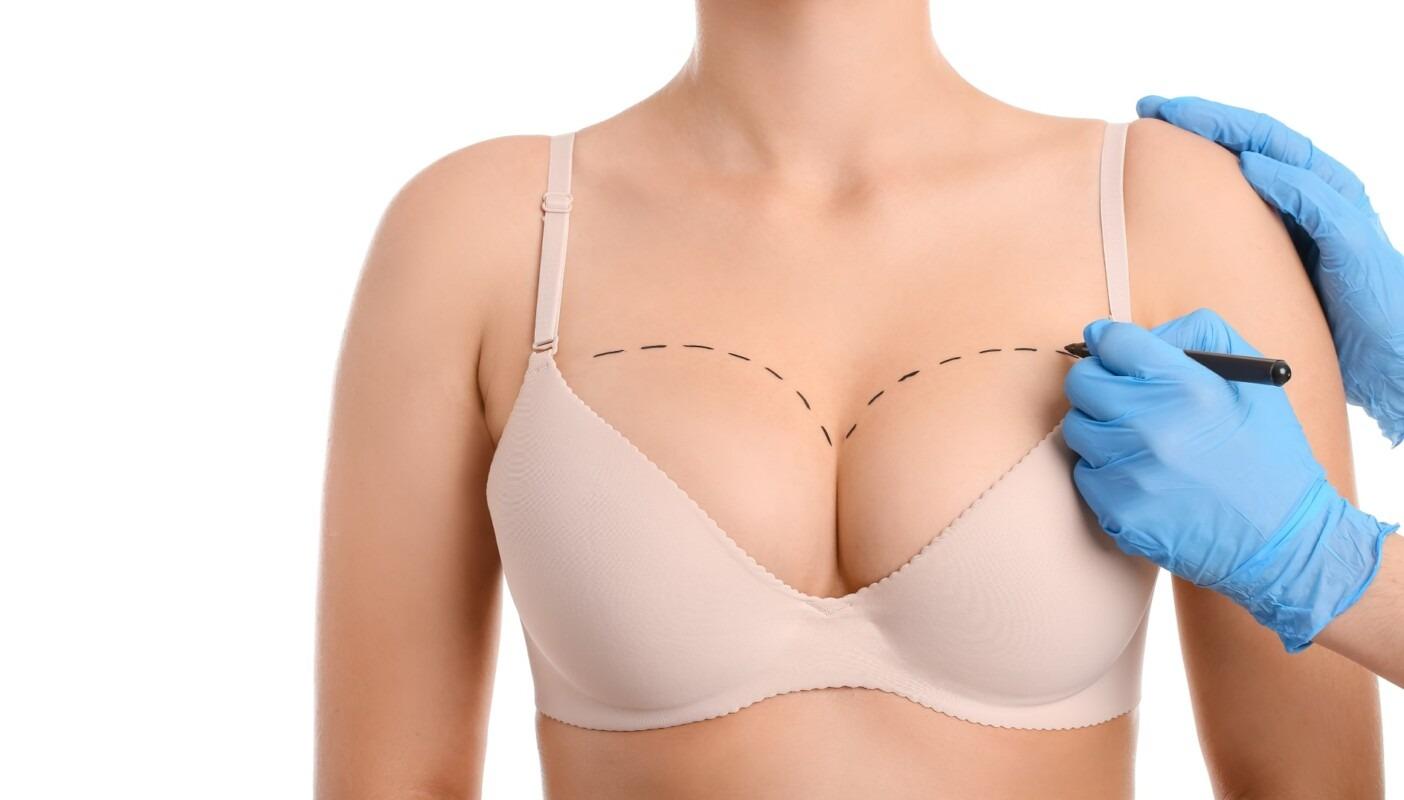
For many women, the shape and size of their breasts are closely connected to how confident they feel in their own body. Changes after pregnancy, weight loss, or the natural effects of ageing can leave breasts looking smaller, less full, or uneven, and these changes can affect clothing choices, posture, and self-esteem. Breast augmentation is a surgical procedure designed to increase breast size, restore lost volume, and improve symmetry, helping women feel more comfortable and proportionate. Breast Augmentation in Dubai is an option worth exploring for women who want a lasting, natural-looking improvement planned around their own body and goals.
Unlike padded bras or temporary fillers, augmentation changes the breast itself, most commonly with implants placed beneath the breast tissue or chest muscle, or in some cases with fat transferred from another part of the body. The result depends on the patient's anatomy, the type and size of implant, the surgical technique, and the healing process. A good outcome is not simply about size — it is about balance with the shoulders, waist, and hips, and a shape that looks natural in movement as well as at rest.
Dubai offers a wide range of clinics and hospitals providing cosmetic breast surgery. Choosing a provider involves more than comparing photographs or advertised prices. Understanding the available options, the assessment process, and the standards of aftercare can help patients decide whether augmentation is right for them.
Understanding How Breast Augmentation Works
Breast augmentation most commonly uses silicone or saline implants. Silicone implants are filled with a cohesive gel that feels similar to natural breast tissue, while saline implants are filled with sterile salt water after placement. Implants vary in size, shape (round or teardrop), profile, and surface texture, and the choice depends on the patient's chest width, existing breast tissue, skin elasticity, and desired outcome. An alternative approach, fat transfer augmentation, moves fat taken by liposuction from areas such as the abdomen or thighs into the breasts; it produces a more modest increase and suits women seeking a subtle change without implants.
The surgeon makes an incision in one of several locations — under the breast fold, around the edge of the areola, or occasionally in the armpit — and creates a pocket either behind the breast tissue or beneath the chest muscle. The implant is placed in the pocket and positioned to achieve the planned shape and symmetry. The procedure is usually performed under general anaesthesia and takes one to two hours, with most patients returning home the same day.
Results develop over several weeks as swelling settles and the implants soften into position. Implants are not lifetime devices: they may need replacement or removal at some point in the future, and patients should expect long-term follow-up, including imaging checks as advised by their surgeon. Augmentation does not lift significantly sagging breasts on its own — in such cases a breast lift may be recommended alongside or instead of implants. A thorough consultation should explain these limitations honestly before any decision is made.
Clinics Offering Breast Augmentation Services in Dubai
Dubai has several healthcare facilities where patients can explore breast augmentation and discuss surgical options. The following providers offer different settings and consultation approaches worth considering.
Dynamic Life Clinic
Dynamic Life Clinic is among the aesthetic healthcare providers in Dubai where individuals can explore approaches to improving their appearance and addressing concerns about breast shape and volume. Patients considering augmentation should discuss their goals, body proportions, and expectations during a professional consultation. A suitable plan begins with evaluating breast anatomy, skin quality, and whether the patient's expectations can realistically be achieved with surgery.
Enfield Royal Clinic
For women seeking a personalised approach to breast enhancement, Enfield Royal Clinic provides a setting to explore breast augmentation alongside other cosmetic surgery options. A consultation can assess breast size and shape, chest dimensions, skin elasticity, and whether augmentation, a lift, or a combination is most appropriate for the individual's goals. The clinic's approach focuses on planning the procedure around the patient's own proportions, including implant type and size, placement, and incision options.
An important part of the process is understanding what happens after surgery. Patients should receive clear instructions on wearing a supportive bra, caring for incisions, managing temporary swelling and discomfort, and returning to work and exercise. Follow-up appointments allow the medical team to monitor healing and the settling of the implants. Because breast shape continues to change with age, weight, and hormonal factors, the consultation should also cover long-term expectations and the possibility of future revision surgery.
Patients should also ask how the clinic handles complications and what aftercare is included. A reputable provider explains the risks of surgery openly — including infection, bleeding, changes in nipple sensation, capsular contracture, and implant rupture — and gives patients time to consider their decision without pressure.
Cocoona Clinic
Cocoona Clinic is an aesthetic healthcare provider in Dubai that patients may consider when researching cosmetic and breast surgery procedures. Individuals interested in augmentation can enquire about the clinic's surgical services, the implant options offered, and whether a detailed breast and chest assessment is included. Understanding the expected recovery period, the timeline for visible results, and the limitations of surgery can help establish whether the proposed treatment matches the patient's goals.
Emirates Hospital
Emirates Hospital provides a broad range of medical and specialist healthcare services in a hospital environment. Patients exploring augmentation may benefit from discussing their concerns with an appropriately qualified medical professional, particularly when there are existing breast conditions or a family history of breast disease. A medical evaluation can help ensure that surgery is approached safely, including appropriate breast screening before the procedure where recommended.
Dubai Cosmetic Surgery Clinic
Dubai Cosmetic Surgery Clinic is another provider patients may research when comparing cosmetic and breast surgery services. Individuals considering augmentation should enquire about the available implant options, the assessment process, and how the clinic plans implant size and placement. A thorough consultation should explain the expected course of treatment, the recovery period, and the limitations of surgery, including that additional procedures are sometimes needed over time.
Tajmeels Clinic
Tajmeels Clinic is a name patients may encounter while researching aesthetic treatments in Dubai. Those interested in augmentation should enquire about available surgical services and the medical assessment process. A useful consultation should cover medical history, current medications, previous breast surgery, and expectations, along with how the surgeon assesses suitability and what aftercare is required during healing.
Al Zahra Hospital Dubai
Al Zahra Hospital Dubai offers a hospital-based healthcare environment where patients can investigate medical concerns before deciding on cosmetic surgery. A hospital setting may suit patients who prefer their procedure within a full medical facility, particularly when other health conditions need consideration. Patients should confirm the availability of breast surgery services and consult the relevant specialist regarding suitable options.
King's College Hospital London Dubai
King's College Hospital London Dubai is another healthcare institution patients may consider when seeking professional guidance about breast concerns. Individuals exploring augmentation can discuss their goals and medical history with an appropriate specialist before committing to surgery. Not every patient is suitable for implants, so identifying the right procedure — or deciding against surgery — is an important part of the consultation.
How to Choose the Right Clinic for Breast Augmentation in Dubai
Selecting a suitable provider is one of the most important decisions in the breast surgery process. The quality of the result depends heavily on the skill of the team, the planning of the procedure, and the standard of aftercare.
Experience and Qualifications
The surgeon should have appropriate medical qualifications and specific experience in breast surgery. Patients should ask how many augmentation procedures the surgeon performs, whether before-and-after photographs of similar cases can be reviewed, and who performs each stage of the procedure. A natural-looking result depends on choosing an implant that suits the patient's frame and placing it correctly.
Implant Options and Techniques
Clinics may offer silicone and saline implants in various sizes, shapes, and profiles, as well as fat transfer in selected cases. Each option has advantages and limitations, and the best choice depends on anatomy, skin elasticity, and the desired outcome. A reputable provider should explain its recommended option and why, and how implant size is measured and agreed before surgery.
Safety and Hygiene Standards
Breast augmentation is a surgical procedure, so strict infection-control standards are essential. It should be performed in a properly equipped clinical or hospital setting with sterile instruments and appropriate anaesthesia protocols. Patients should disclose medical conditions, medication use, smoking, and bleeding disorders beforehand, and should be told about potential side effects such as temporary swelling, bruising, and discomfort.
Consultation and Assessment
A proper consultation should assess breast anatomy, chest dimensions, skin quality, and medical history before recommending surgery. The practitioner may take measurements and photographs, discuss implant options, and recommend breast imaging where appropriate. This matters most when expectations are high or anatomy is complex, because a realistic plan protects both safety and satisfaction.
Aftercare and Follow-Up
The first few weeks after surgery are important for healing and implant settling. Patients should receive detailed written instructions on supportive garments, wound care, activity restrictions, and sleeping position. Follow-up appointments allow the medical team to check healing and monitor the result. Patients should ask whether follow-up care is included and how complications are handled.
Expected Results and Costs
Swelling takes time to settle, and the final shape emerges over several weeks to months. Implants are not permanent and may require future surgery. Costs vary according to the implant type, the surgical approach, and the clinic's pricing structure. Patients should ask for a clear breakdown of what is included and whether revision surgery is likely to be needed in the future.
Frequently Asked Questions
What is the difference between silicone and saline implants?
Silicone implants contain a cohesive gel that feels closer to natural breast tissue and is the more common choice. Saline implants are filled with sterile salt water after placement and require a smaller incision. Both have advantages and limitations, and the better option depends on anatomy, desired feel, and the surgeon's recommendation after assessment.
How long do breast implants last?
Breast implants are not lifetime devices. Many last for ten years or more, but they may need replacement or removal at some point due to rupture, capsular contracture, changes in breast shape, or personal preference. Regular follow-up and imaging checks, as advised by the surgeon, help monitor implant condition over time.
How long is recovery after breast augmentation?
Most patients return to light activities within a few days and to office work within about a week, although this varies. Strenuous exercise and heavy lifting are usually restricted for several weeks. Swelling and tightness are common at first and settle gradually. A supportive bra is typically worn during the early healing period as directed by the surgeon.
Can I breastfeed after breast augmentation?
Many women can breastfeed after augmentation, but it is not guaranteed. The likelihood depends on the incision location, implant placement, and individual anatomy. Women planning future pregnancies should discuss this with their surgeon, as pregnancy and breastfeeding can change breast shape and affect the long-term result.
What are the risks of breast augmentation?
As with any surgery, risks include infection, bleeding, poor wound healing, and reactions to anaesthesia. Specific risks include changes in nipple or breast sensation, asymmetry, capsular contracture (tightening of scar tissue around the implant), implant rupture or leakage, and the need for further surgery. A thorough consultation should explain these risks and how they are managed.
Conclusion
Breast augmentation can restore volume, improve symmetry, and help women feel more confident in their appearance, but it is a significant surgical decision that deserves careful thought. The best outcomes come from realistic expectations, an implant choice suited to the individual body, and a surgeon whose planning and aftercare are thorough.
When exploring Breast Augmentation, patients should prioritise qualified surgeons, careful assessment, honest advice about limitations and long-term maintenance, and thorough aftercare. With realistic expectations, a well-planned procedure, and consistent follow-up, breast augmentation can become a valuable long-term investment in feeling comfortable and confident in one's own body.

 English
 Arabic
 French
 Spanish
 Portuguese
 Deutsch
 Turkish
 Dutch
 Italiano
 Russian
 Portuguese (Brazil)
 Greek