


How Custom Paper Bags Make Everyday Packaging More Practical
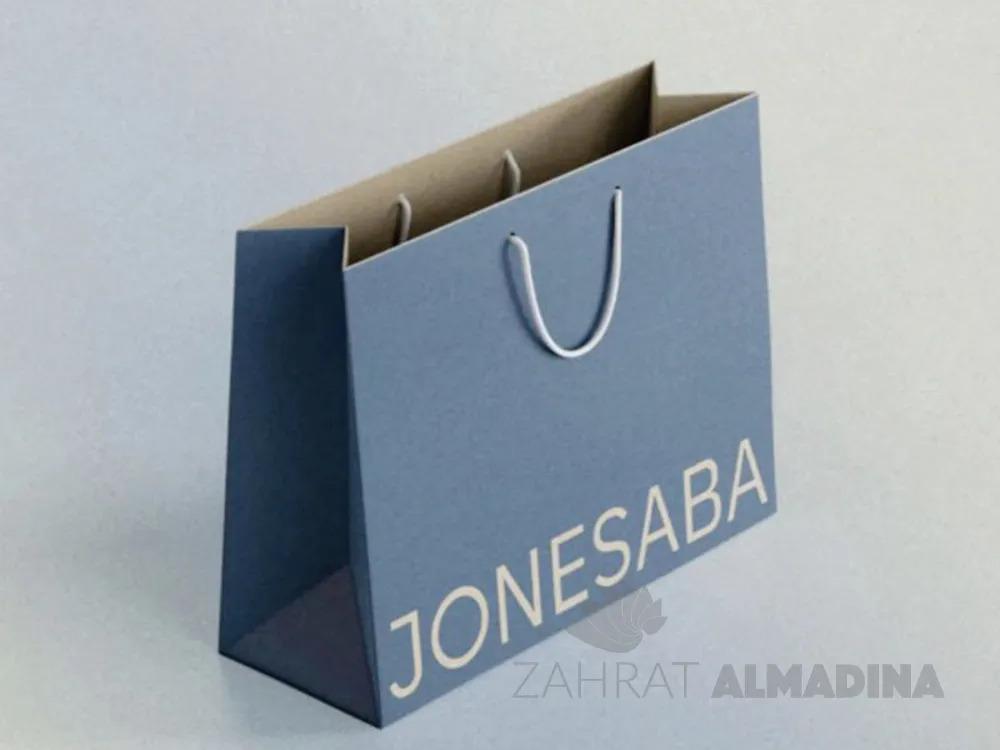
Packaging is often the first physical interaction a customer has with a product. A well-designed bag can make that experience more convenient while presenting the business in a clear and professional way. When choosing Custom Paper bags, businesses can select different paper types, sizes, handles and printing styles to suit their products and customers. These choices affect more than appearance; they also influence how much weight the bag can carry, how it feels and whether customers can reuse it. From small retail purchases to corporate events, paper packaging serves a wide range of purposes. Understanding the available materials and design options makes it easier to choose a bag that offers the right balance of strength, appearance and cost.
What Makes Custom Paper Bags Suitable for Business Packaging?
Paper bags are widely used in retail, food packaging, gift presentation and event distribution. Their main advantage is their adaptability. A simple paper bag can be produced in different shapes and sizes, printed with a logo or message, and finished with handles that suit its intended use.
Unlike packaging that relies on plastic film, paper has a natural surface that can support different printing and finishing techniques. Businesses can choose a plain brown appearance for a simple look or a coated surface for more detailed colour printing.
Different Types of Paper
The paper grade plays an important role in the bag's strength and appearance. Selecting the right material depends on the weight of the products and the impression the business wants to create.
Kraft paper is commonly used for shopping bags and takeaway packaging. It is available in brown and white varieties. Brown kraft has a natural appearance, while white kraft provides a lighter background for colourful artwork.
Art paper has a smoother surface and is often selected for bags that require detailed graphics or a more refined finish. It can be coated to improve print quality, although the coating may affect how easily the paper can be recycled.
Card paper is thicker and more rigid than many standard paper grades. It can be useful for gift bags, premium retail packaging and products that need a more structured presentation.
Why Paper Weight Matters
Paper weight is usually expressed in grams per square metre (GSM). A higher GSM generally means a heavier sheet, but it does not automatically guarantee that a finished bag will be stronger. Paper quality, construction, handle attachment and bag dimensions also affect performance.
A lightweight bag may be sufficient for folded clothing or small takeaway purchases. Heavier products, glass containers and multiple items require stronger paper and reinforced construction.
It is sensible to test a sample with the actual products before placing a large order. This helps identify problems such as tearing around the handles or a base that cannot support the intended load.
Which Paper Bag Styles Work for Different Products?
The shape of a bag should reflect the products it will carry. A design that works for a clothing shop may not be suitable for a bakery or a gift retailer. Understanding the main styles helps businesses avoid packaging that looks attractive but is inconvenient to use.
Flat Paper Bags
Flat bags have a simple construction, usually without a separate expandable base. They are suitable for lightweight products such as documents, greeting cards, small accessories and takeaway items.
Retailers can use them for products that do not need much internal space. Their straightforward design also makes them useful for distributing printed materials at exhibitions and business events.
Gusseted Paper Bags
Gusseted bags include folded sections along the sides or bottom. These sections expand to provide additional room when the bag is filled.
Side gussets are useful for products with a wider shape, while a bottom gusset helps create a more stable base. Bakeries, clothing shops and gift retailers may use this style for products that would not fit comfortably inside a flat bag.
The dimensions should be checked carefully. A bag that is too narrow may cause products to press against the sides, while an excessively large design can make smaller purchases move around inside.
Paper Bags with Twisted Handles
Twisted paper handles are made from rolled paper strands attached to the upper part of the bag. They provide a practical grip and are common in retail packaging.
They work well for clothing, books, accessories and other everyday purchases. However, the attachment points need sufficient reinforcement, particularly when the bag is intended for heavier products.
Paper Bags with Flat Handles
Flat handles are made from folded strips of paper. They offer a wider surface for gripping and can suit takeaway packaging, groceries and general retail use.
The choice between flat and twisted handles often comes down to the bag's size, intended load and preferred appearance. Both types should be checked for secure attachment and comfortable carrying.
Luxury and Gift Paper Bags
Gift bags often use thicker paper, stronger bases and decorative finishes. Features such as laminated surfaces, ribbon handles, foil details or embossed logos can create a more refined appearance.
These finishes are useful for boutiques, jewellery shops, corporate gifts and special occasions. However, additional finishing can increase production costs and may affect recyclability, so businesses should choose details that genuinely improve the packaging.
How Printing and Finishing Change the Appearance
Printing allows a business to turn plain packaging into a recognisable part of its presentation. A logo, colour scheme or short message can help customers identify the business without making the design unnecessarily complicated.
The best result comes from choosing a printing process that suits the paper surface and artwork.
Common Printing Methods
Flexographic printing is often used for larger production runs, particularly on kraft paper. It transfers ink through flexible printing plates and can be suitable for repeated designs with a limited number of colours.
Offset printing is useful for detailed artwork and designs that require consistent colour reproduction. It is commonly associated with smoother paper surfaces and more elaborate retail packaging.
Digital printing can be suitable for shorter runs, personalised designs or artwork that changes between batches. It does not require conventional printing plates, although the final cost depends on the machine, paper and quantity.
Not every method works equally well on every paper grade. A printer should confirm the compatibility of the chosen material and process before production begins.
Choosing Colours and Artwork
The paper colour affects how printed artwork appears. Brown kraft, for example, creates a natural background but may change the appearance of lighter ink colours. White paper gives designers more flexibility when using bright colours or detailed graphics.
A practical design should include:
-
A clear logo that remains readable at the finished size.
-
Colours that contrast with the paper.
-
Enough empty space around the main artwork.
-
Text large enough to read without bringing the bag close to the face.
-
Correct spelling and accurate contact information, if included.
A small shop may only need its logo and a simple colour scheme. A larger retail brand might include a website address, product category or short brand message. The important point is to make the information easy to recognise.
Decorative Finishes
Finishing techniques can change the texture and appearance of a bag. Matte lamination creates a smooth, understated surface, while gloss lamination produces a more reflective finish. Foil stamping adds a metallic detail, and embossing or debossing creates a raised or pressed effect.
These options can be useful for premium packaging, but they are not essential for every order. A simple, well-printed kraft bag may be more appropriate for a business that wants a natural appearance and straightforward packaging.
It is also worth considering the environmental impact of coatings, laminations and mixed materials. A paper bag is not automatically easy to recycle if it includes finishes that complicate material separation.
Where Businesses Can Use Paper Bags
Paper bags are suitable for many everyday business activities. Their practical value depends on matching the design to the product, the customer and the setting in which the bag will be distributed.
Retail Shops and Shopping Centres
Clothing shops, bookshops, gift stores and accessory retailers often use paper bags to package customer purchases. The size and paper weight should reflect the typical products sold.
For example, a bookshop may need a wide base and strong handles, while a clothing store may prefer a taller bag that accommodates folded garments. A jewellery shop may use a smaller, more rigid bag with a decorative finish.
Restaurants, Cafés and Bakeries
Food businesses use paper bags for takeaway orders, bakery products and packaged items. The paper must suit the food being carried. A bag intended for dry pastries has different requirements from one used for hot or greasy food.
Where food comes into direct contact with packaging, the material should be suitable for food use. Grease-resistant paper or an appropriate food-grade inner layer may be necessary, depending on the product.
Businesses should also consider ventilation. Hot food can release moisture, which may soften ordinary paper and affect the packaging. A suitable design can help manage this issue.
Corporate Events and Promotional Campaigns
Companies planning promotional gifts dubai often need packaging that can hold several small items together. Paper bags can be used for event welcome packs, conference materials, product samples and seasonal gifts.
For example, an event organiser might prepare bags containing a notebook, pen, brochure and small gift. A clear printed design helps distinguish the event materials while keeping everything together.
The bag dimensions should be based on the complete contents rather than the largest individual item. This avoids packaging that is either too tight or unnecessarily oversized.
E-commerce and Product Deliveries
Paper bags can also support certain types of local retail delivery. They may be suitable for clothing, documents, lightweight accessories and products that already have protective packaging.
However, ordinary paper bags are not always appropriate for long-distance shipping or wet conditions. They can tear under excessive weight and may lose strength when exposed to moisture. For deliveries, businesses should consider whether a protective outer package is needed.
How to Select the Right Bag for Your Budget
A suitable packaging choice should balance cost, function and appearance. The cheapest option may not be the most practical if it tears easily or does not fit the products properly. At the same time, expensive finishes may add little value when customers only need simple everyday packaging.
Compare the Full Specification
When requesting quotations for custom shopping bags, businesses should compare the actual specifications rather than looking only at the price per piece.
Check the following details:
-
Paper type: Confirm whether the bag uses kraft, art paper or another grade.
-
Paper weight: Check the GSM and whether it suits the intended load.
-
Dimensions: Confirm the width, height and depth.
-
Handle style: Identify whether the handles are twisted paper, flat paper, ribbon or another material.
-
Printing: Check the printing method, number of colours and printed areas.
-
Finishing: Confirm whether lamination, foil or other treatments are included.
-
Quantity: Make sure the quotation covers the required number of bags.
-
Delivery: Check the production schedule and delivery arrangements.
This information makes it easier to compare similar products and understand why quotations may differ.
Consider Order Quantity
The number of bags required can affect the production method and unit cost. Larger orders may offer a lower cost per bag, but they also require more storage space and a larger initial budget.
Small businesses should estimate their expected usage over a realistic period. A shop that changes its branding regularly may benefit from smaller batches, while a business with stable packaging requirements may find a larger order more practical.
Plan for Storage
Paper packaging should be stored in a dry, clean place. Moisture can weaken the paper, cause warping and affect the appearance of printed surfaces.
Bags should be kept flat or in their supplied packaging until needed. Avoid placing heavy objects on top of them, as this can damage handles or create permanent folds. Businesses with limited storage should consider ordering quantities that they can use within a reasonable period.
Common Paper Bag Mistakes and How to Avoid Them
A successful order depends on more than artwork approval. Small oversights in measurements, material selection or production checks can affect the final result.
Selecting Paper That Is Too Thin
A lightweight paper grade may reduce the initial cost, but it may not withstand the intended products. Bags carrying books, glass containers or several retail items need suitable strength.
Always consider the actual weight and shape of the contents. Ask for a sample and test it before approving a large production run.
Making the Bag Too Small
Incorrect dimensions can make packing difficult and affect the customer experience. Products may become trapped inside, press against the sides or damage the handles.
Measure the items that will be packed, including any protective wrapping. Leave enough room for customers to remove the products comfortably.
Overcomplicating the Design
Too many colours, graphics and messages can make a bag look crowded. It can also increase production costs.
A simple layout often communicates more clearly. Give the logo enough space and include only information that serves a useful purpose.
Ignoring Handle and Base Construction
The handles and base carry much of the load. Weak attachment points or poorly folded corners can cause problems even when the paper itself is suitable.
Check how the handles are fixed and whether the base has adequate support. A sample filled with representative products is one of the easiest ways to identify construction issues.
Approving Artwork Without Checking a Proof
A spelling mistake or incorrectly positioned logo can affect an entire batch. Before approving production, review the artwork carefully and check the finished dimensions, colours and print placement.
For larger orders, a physical sample can provide a better understanding of the paper texture, handle strength and overall appearance. Businesses can use examples from printing companies such as Zahrat Al Madina Printing to understand the range of packaging and printed product options available in Dubai, while still checking each supplier's exact specifications before placing an order.
Conclusion
Paper bags can support retail packaging, takeaway orders, events and everyday product distribution when their design matches the intended use. The choice of paper, thickness, size, handles and printing method all influence the finished product. Businesses should consider the weight of their products, the conditions in which bags will be used and the quantity they can realistically store. A clear design and suitable construction are often more valuable than unnecessary decorative features. Careful planning before production helps create packaging that is practical, presentable and appropriate for both the business and its customers.

 English
 Arabic
 French
 Spanish
 Portuguese
 Deutsch
 Turkish
 Dutch
 Italiano
 Russian
 Portuguese (Brazil)
 Greek