


Orthopedic Emergency Care at ER of Forthworth
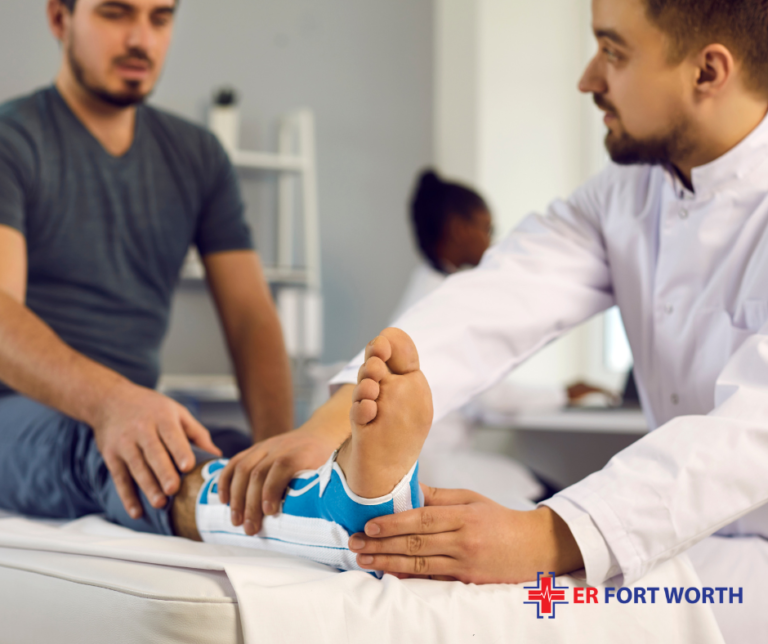
Musculoskeletal injuries can happen unexpectedly and may require immediate medical attention. A sudden fall, sports injury, car accident, or workplace incident can cause serious problems involving bones, joints, muscles, and ligaments. Knowing when to seek emergency care can help prevent complications and support a safer recovery.
An Orthopedic Emergency involves an injury or condition affecting the bones, joints, muscles, or other parts of the musculoskeletal system that requires prompt medical evaluation. Some injuries may cause severe pain, swelling, limited movement, or visible changes in the affected area. Getting the right medical attention at the right time is important.
At ER of Forthworth, patients can seek emergency medical evaluation for different types of injuries and unexpected health concerns. Understanding common orthopedic problems, their warning signs, and available treatment options can help individuals make informed decisions about their health.
What Is an Orthopedic Emergency?
An orthopedic emergency is a sudden injury or medical condition involving the body's musculoskeletal system that needs immediate medical assessment. These emergencies can affect different body parts, including the arms, legs, shoulders, hips, knees, ankles, and spine.
Some injuries are minor, while others may involve broken bones, damaged joints, or serious tissue injuries.
Common examples include:
-
Broken or fractured bones.
-
Dislocated shoulders, knees, or other joints.
-
Severe sprains and ligament injuries.
-
Sports-related injuries.
-
Serious back or neck injuries.
-
Deep cuts involving muscles or other tissues.
-
Injuries caused by falls or vehicle accidents.
Prompt evaluation helps healthcare professionals understand the injury and determine the appropriate next steps.
Common Causes of Orthopedic Emergencies
Orthopedic injuries can happen during everyday activities, sports, work, or unexpected accidents. Some causes involve sudden impacts, while others develop from twisting or putting excessive pressure on a body part.
Falls and Accidents
Falls are a common cause of orthopedic injuries. Slipping on a wet surface, falling down stairs, or losing balance can lead to fractures, sprains, and joint injuries.
Older adults may face a higher risk of serious injuries from falls because bones can become weaker with age.
Sports Injuries
Physical activities and sports can sometimes cause unexpected injuries. Running, jumping, and sudden changes in direction may put pressure on muscles, joints, and ligaments.
Common sports-related injuries include:
-
Ankle sprains.
-
Knee ligament injuries.
-
Muscle strains.
-
Shoulder dislocations.
-
Bone fractures.
Warming up properly and using appropriate protective equipment may help reduce the risk of these injuries.
Vehicle Accidents
Car and motorcycle accidents can cause serious injuries because of the force involved during a collision. These accidents may result in broken bones, spinal injuries, and damage to joints or surrounding tissues.
People involved in significant accidents should receive medical evaluation, even when injuries are not immediately obvious.
Workplace Injuries
Heavy lifting, repetitive movements, falling objects, and accidental slips can cause orthopedic problems at work.
Using proper lifting techniques and following workplace safety guidelines can help prevent many injuries.
Warning Signs That Require Emergency Care
Recognizing the symptoms of a serious orthopedic injury is important. Some injuries may appear minor initially but can become more complicated without proper assessment.
Seek emergency medical attention if you experience:
-
Severe or sudden pain after an injury.
-
Visible bone deformity or an unusual joint position.
-
Significant swelling or bruising.
-
Inability to move or use an injured limb.
-
Inability to stand or put weight on a leg.
-
Numbness, tingling, or weakness.
-
Open wounds with visible bone.
-
Severe back or neck pain following an accident.
A cold, pale, or blue limb, loss of sensation, or uncontrolled bleeding may indicate a serious emergency.
If a spinal injury is suspected, avoid unnecessary movement and call emergency services.
Types of Orthopedic Injuries
Different orthopedic injuries affect the body in different ways. Understanding these conditions can help patients recognize when medical attention is necessary.
Bone Fractures
A fracture occurs when a bone breaks or develops a crack. Fractures can happen because of falls, direct impacts, sports injuries, or vehicle accidents.
Common symptoms include pain, swelling, bruising, and difficulty moving the affected area.
Some fractures require immobilization, while more complicated injuries may need surgical evaluation.
Joint Dislocations
A dislocation happens when a bone moves out of its normal position within a joint. It commonly affects the shoulder, elbow, fingers, and knee.
Symptoms may include:
-
Severe joint pain.
-
Visible changes in joint shape.
-
Swelling.
-
Limited movement.
-
Numbness around the affected area.
A dislocated joint should be evaluated by a medical professional. Never attempt to force it back into position yourself.
Sprains and Strains
Sprains involve stretched or torn ligaments, while strains affect muscles or tendons.
These injuries can happen during exercise, lifting, or sudden twisting movements.
Mild injuries may improve with rest and appropriate care. However, severe pain, swelling, or difficulty using the affected body part may require emergency evaluation.
Sports-Related Fractures
Sports activities can sometimes cause fractures because of sudden impacts or excessive force. These injuries may affect the wrists, ankles, arms, and legs.
Early medical assessment helps determine the severity of the fracture and the most suitable treatment approach.
How Orthopedic Emergencies Are Evaluated
When a patient arrives with a suspected orthopedic injury, healthcare professionals assess the affected area and look for signs of serious damage.
The evaluation process may include several steps.
Medical History: Healthcare professionals ask how the injury happened, when symptoms started, and whether the patient has experienced similar problems before.
Physical Examination: The affected body part is checked for swelling, bruising, tenderness, movement limitations, and visible deformities.
Imaging Tests: Depending on the injury, medical professionals may recommend imaging to examine bones and surrounding structures.
Common imaging options include:
-
X-rays to identify many types of fractures and joint dislocations.
-
CT scans to provide detailed images of complex bone injuries.
-
MRI scans to examine ligaments, muscles, tendons, and other soft tissues when appropriate.
Treatment Planning: After reviewing the examination and test results, healthcare professionals determine the appropriate care and whether specialist follow-up is necessary.
Treatment Options for Orthopedic Emergencies
Treatment depends on the type of injury, its severity, and the patient's overall health. Some conditions can be managed with basic medical treatment, while others require more advanced care.
Immobilization
Immobilization helps protect an injured body part and prevent unnecessary movement.
Depending on the injury, healthcare professionals may recommend:
-
Splints.
-
Braces.
-
Slings.
-
Casts.
These devices help support the affected area while it heals.
Pain Management
Orthopedic injuries can cause significant discomfort. Healthcare professionals may recommend appropriate pain-relief options based on the patient's condition and medical history.
Patients should follow medical instructions when using medications.
Wound Care
Open fractures and injuries involving cuts may require wound cleaning, dressing, and infection prevention measures.
Serious wounds need prompt medical evaluation to reduce the risk of complications.
Surgical Evaluation
Some orthopedic injuries require surgical treatment. This may be necessary for complicated fractures, severe joint damage, or injuries involving significant tissue damage.
Healthcare professionals determine whether surgery is appropriate and arrange specialist care when needed.
When Should You Visit an Emergency Room?
Not every muscle ache or minor injury requires emergency treatment. However, certain symptoms should never be ignored.
Visit an emergency room if you experience severe pain, suspected fractures, major swelling, visible deformities, or an inability to move an injured body part.
Emergency evaluation is particularly important after serious accidents because some injuries may not show obvious symptoms immediately.
For life-threatening injuries, uncontrolled bleeding, or suspected spinal damage, call emergency services rather than attempting to drive yourself.
Why Choose ER of Forthworth for Emergency Evaluation?
Unexpected injuries can create stress and uncertainty, especially when they involve severe pain or difficulty moving. Having access to emergency medical evaluation can help patients understand their condition and receive appropriate medical guidance.
ER of Forthworth provides an emergency care setting where patients can seek evaluation for unexpected injuries and other urgent medical concerns.
Patients experiencing orthopedic problems may benefit from medical assessment to help identify the injury and determine the next steps.
Important aspects of emergency evaluation include:
-
Assessment of sudden injuries and severe symptoms.
-
Medical examination of affected body parts.
-
Appropriate diagnostic testing when indicated.
-
Initial treatment and stabilization.
-
Guidance about follow-up care when necessary.
The goal of emergency evaluation is to identify potentially serious problems and help patients receive appropriate care.
Tips to Prevent Orthopedic Injuries
Although accidents cannot always be avoided, certain precautions may help reduce the risk of musculoskeletal injuries.
Consider the following safety practices:
-
Warm up before exercising or participating in sports.
-
Wear suitable shoes for physical activities.
-
Use protective equipment during sports.
-
Follow safe lifting techniques at work and home.
-
Keep floors and walkways free from obstacles.
-
Avoid pushing your body beyond its physical limits.
-
Maintain regular physical activity to support muscle strength and balance.
Taking these precautions can help protect bones, joints, and muscles during everyday activities.
Conclusion
Orthopedic injuries can happen unexpectedly and range from minor sprains to serious fractures and joint dislocations. Recognizing warning signs, understanding common causes, and seeking timely medical attention can help reduce the risk of complications.
At ER of Forthworth, patients can seek emergency evaluation for unexpected injuries and urgent medical concerns. Whether an injury happens during sports, work, or an accident, getting the appropriate medical assessment is an important step toward recovery.
For more information visit:https://ok.ru/profile/910235477137/statuses/159668791266193

 English
 Arabic
 French
 Spanish
 Portuguese
 Deutsch
 Turkish
 Dutch
 Italiano
 Russian
 Romaian
 Portuguese (Brazil)