


How Can a Cordless Electric Screwdriver Deliver Cleaner Results Across Home and Workshop Projects?
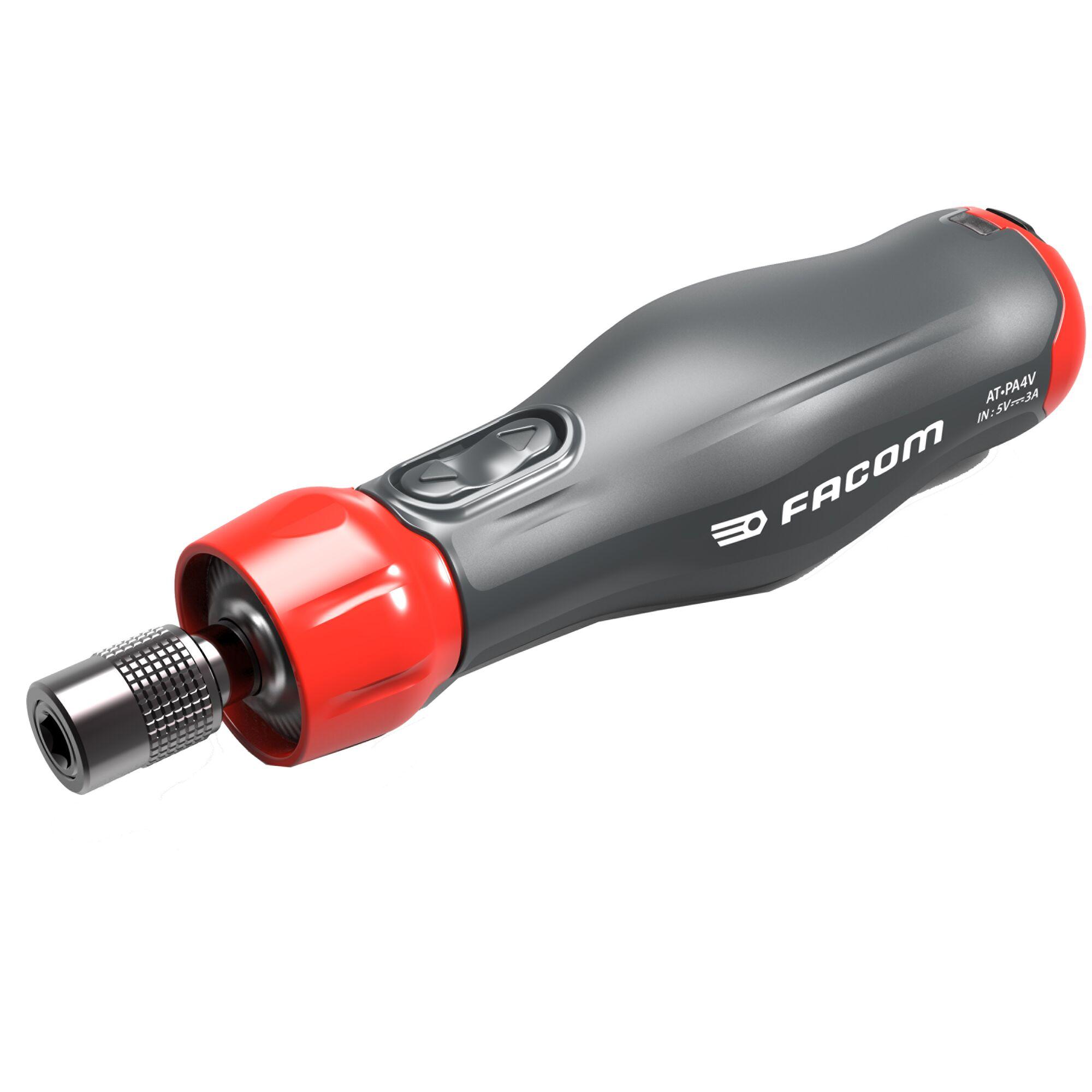
Successful fastening is not just about turning screws. The material being joined, the condition of the pilot hole and the order of assembly all influence whether a project feels solid and looks professional. A Cordless Electric Screwdriver helps simplify this process by providing portable, motor-driven rotation for suitable fastening jobs. Used thoughtfully, it can make flat-pack installations, light equipment servicing and home improvements easier to complete without sacrificing control.
Why Should Fastening Begin Before You Press the Trigger?
Good results start with preparing the workpiece. Check that mating surfaces align, the correct screws are available and the surrounding material can support the fixing. If a fitting shifts while you tighten it, the tool may drive the screw accurately but leave the assembly crooked.
What Should You Inspect Before Driving a Screw?
Examine the screw length, head type, thread condition and clearance behind the mounting surface. Mark fastening positions where necessary and clamp unstable materials. For suitable wood applications, a pilot hole can reduce splitting and make insertion more predictable. These small preparations often prevent more rework than a faster motor ever could. A dry fit also exposes poorly positioned holes, missing hardware and awkward access points before the assembly becomes difficult to adjust or safely dismantle during installation.
How Does the Material Change Your Screwdriving Technique?
Wood, plastic and metal respond differently to a turning fastener. Applying the same speed and force to every surface can cause cracked housings, stripped threads or damaged finishes.
Which Adjustments Help With Different Workpieces?
- Wood: Use appropriate pilot holes near edges and stop before the head crushes softer fibres.
- Plastic: Drive slowly, particularly when tightening into moulded bosses or existing threads.
- Sheet metal: Match the screw to the material and avoid continuing after the fixing seats.
- Pre-threaded fittings: Start by hand when practical to reduce the risk of cross-threading.
- Decorative surfaces: Protect surrounding finishes and check alignment before final tightening.
No single setting works for every project. Test unfamiliar combinations on a spare piece whenever possible.
How Can the Right Tool Shape Improve Access and Visibility?
A driver that fits comfortably into a narrow cupboard corner may be more useful than a larger model offering extra torque. Straight-bodied tools can reach along confined spaces, while pistol-grip designs may provide a comfortable orientation for open work areas. Built-in lighting can help reveal hidden fasteners beneath shelves or inside equipment housings.
When comparing Electric Screwdrivers, consider reach, grip shape and low-speed control alongside battery life so the tool matches the physical workspace.
Should You Choose Manual or Powered Final Tightening?
Powered driving is convenient for bringing a screw close to its seated position. For delicate materials or critical joints, the final tightening step may require a manual or calibrated torque tool. A clutch can help control applied torque, but its numbered positions are not universal torque values.
What Workflow Helps You Assemble Multiple Parts Consistently?
Start by arranging the hardware in installation order. Insert screws loosely where alignment may need adjustment, then tighten them progressively according to the assembly instructions. This avoids locking one corner in place while other holes remain misaligned.
A practical sequence is to:
- Confirm that each fastener has the intended length and thread.
- Fit the correct bit securely before beginning.
- Start screws carefully and keep the driver aligned.
- Tighten distributed fasteners in a balanced sequence.
- Inspect the finished joint before loading or using the assembly.
This approach is particularly helpful for shelving, brackets and removable access panels.
Why Do Screws Sometimes Slip, Bind or Refuse to Seat?
An unexpected slip may indicate an incorrect bit profile, worn tip or insufficient engagement. Binding can result from an unsuitable screw, misaligned hole or damaged threads. Continuing to drive against resistance may worsen the problem.
Keeping compatible Screwdriver Bit Sets near the workstation makes it easier to select the intended profile instead of forcing an approximate substitute.
What Should You Do When a Fastener Becomes Stuck?
Stop the motor, remove pressure and assess the cause. Reverse slowly if removal is appropriate, then inspect the screw and hole. Replace damaged hardware rather than repeatedly forcing it into position.
How Can Safe Handling Support Long-Term Tool Performance?
Inspect the bit holder, battery housing and switches before use. Keep fingers away from rotating parts, secure loose clothing and wear suitable eye protection when the task presents flying-debris risks. Disconnect power to equipment before opening electrical housings. Standard electric screwdrivers should never be treated as insulated live-working tools.
Recharge only with approved equipment and store the tool away from excessive heat and moisture. A dry, organised storage area also protects small accessories from loss and corrosion.
Why Is a Cordless Electric Screwdriver a Useful Addition to a Practical Toolkit?
The greatest benefit comes from combining convenient powered rotation with careful preparation. Choosing suitable screws, respecting different materials and checking completed joints can produce cleaner repairs with less unnecessary effort. A Cordless Electric Screwdriver becomes more versatile when used with correctly matched Screwdriver Bits that engage the fastener securely and support consistent results across everyday projects.

 English
 Arabic
 French
 Spanish
 Portuguese
 Deutsch
 Turkish
 Dutch
 Russian
 Romaian
 Portuguese (Brazil)
 Greek