


Abacus Adelaide: How Mental Maths Training Helps Young Learners
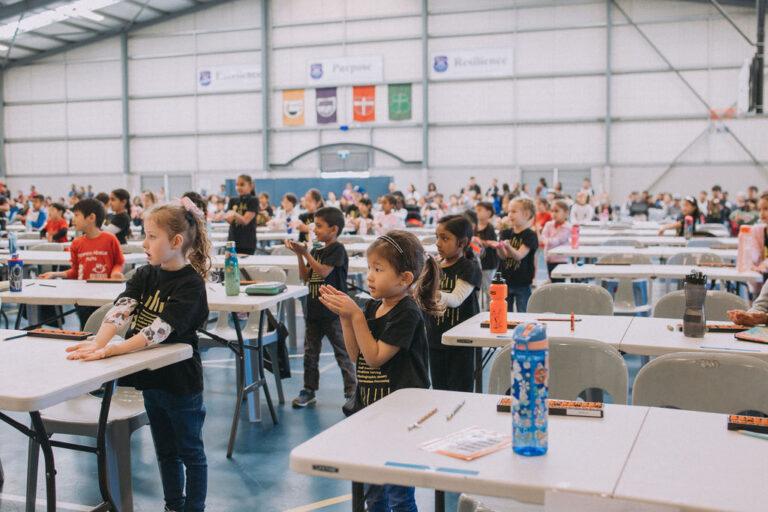
Mental mathematics is part of everyday life. Children use it when checking change, estimating the cost of several items or working out how many minutes remain before an activity begins.
However, mental arithmetic is not simply about answering questions quickly.
It involves understanding numbers, selecting suitable methods and keeping track of intermediate steps.
Families investigating abacus adelaide programmes may be interested in a structured way for children to practise these skills.
Soroban-based mental arithmetic training introduces a physical counting tool and gradually encourages learners to perform familiar calculations without it.
Why Mental Maths Deserves Attention
Mental calculation supports numerous everyday situations.
Recognising Reasonable Answers
A child who can estimate 19 + 32 knows the result should be close to 50.
This helps them recognise obvious mistakes.
Working with Quantities
Simple mental calculations can support shopping, time planning and measurement activities.
Reducing Dependence on Devices
Calculators remain useful, but children also benefit from developing independent numerical strategies.
Mental arithmetic is therefore an important skill, even in environments where digital tools are readily available.
How the Soroban Method Develops Calculation Skills
The Soroban is a bead-based calculating instrument.
Physical Number Representation
Each column represents a place value, helping learners organise units, tens and larger quantities.
Structured Calculation Movements
Students learn consistent procedures for performing arithmetic operations.
Transition to Visualisation
With practice, learners may begin imagining bead positions and movements.
The process behind abacus maths involves moving from direct manipulation towards increasingly independent calculation.
Why Gradual Progression Is Important
Rushing children through advanced exercises can create frustration.
Establish Foundational Skills
Students should first recognise numbers and understand basic bead positions.
Introduce New Procedures Carefully
Addition and subtraction techniques build on earlier movements.
Increase Complexity Over Time
Longer calculations become appropriate as children demonstrate confidence with simpler work.
Signs a Learner Is Ready to Progress
An instructor may look for:
-
Correct number representation.
-
Consistent bead movements.
-
Accurate completion of familiar problems.
-
Ability to explain basic steps.
-
Comfortable participation.
-
Readiness for more demanding exercises.
A child who needs additional practice should not be considered unsuccessful.
Making Mental Arithmetic Enjoyable
Young learners are more likely to participate when lessons feel manageable.
Short Activities
Brief number challenges can prevent fatigue.
Visual Exercises
Flashcards and demonstrations add variety.
Positive Feedback
Recognition of improvement helps children remain motivated.
Appropriate Challenges
Tasks should be difficult enough to encourage learning without becoming overwhelming.
The quality of the learning experience matters more than constant competition.
The Importance of Home Practice
One weekly lesson may introduce a method, but learners typically need opportunities to use it between classes.
Establish a Routine
A short, predictable practice session can become part of the child's normal schedule.
Begin with Familiar Problems
Practising mastered skills helps reinforce accuracy.
Introduce Variety
Different number combinations prevent exercises from becoming purely mechanical.
Keep Practice Constructive
Parents can support learning by:
-
Providing a quiet workspace.
-
Following the instructor's guidance.
-
Allowing children time to think.
-
Encouraging questions.
-
Acknowledging effort.
-
Avoiding comparisons with other learners.
The aim is sustainable practice, not excessive repetition.
What Outcomes Should Parents Expect?
Progress is usually gradual.
Greater Familiarity with Arithmetic
Students may become more comfortable with the calculation procedures they practise.
Improved Performance on Trained Tasks
Repeated instruction can support speed and accuracy for familiar operations.
Increased Independence
Some learners progress from needing guidance to completing exercises on their own.
However, claims that abacus programmes automatically transform memory, intelligence or every school subject should be approached carefully.
The most relevant outcomes concern the skills actually being taught.
Finding Abacus Programmes in Adelaide
Parents searching for abacus adelaide courses should confirm how the programme is delivered.
Online Learning
Remote lessons may suit families who prefer to learn from home.
Practical Equipment
Children need a suitable abacus and sufficient guidance to use it correctly.
Teacher Interaction
The instructor should be able to observe mistakes and explain corrections.
Scheduling
Lesson times should fit comfortably around school and other commitments.
SEMAS lists South Australian learning enquiries through an online offering, so families should verify current arrangements directly.
How Abacus Training Complements the Curriculum
Australian schools teach much more than rapid calculation.
Children need to interpret mathematical problems, explain reasoning and apply concepts in unfamiliar situations.
Abacus education offers an additional pathway for practising arithmetic, but it should not replace classroom mathematics.
A balanced learning plan allows children to develop number fluency while continuing to explore the wider curriculum.
Why Choose SEMAS Academy?
SEMAS Academy offers Mini Soroban, Kids Soroban and Master Soroban courses for different developmental stages.
Its curriculum uses physical abacus practice, visual activities and mental calculation exercises.
Families exploring abacus adelaide can contact the academy to discuss current online options, course suitability and introductory learning opportunities.
About Us – SEMAS Academy
SEMAS Academy provides Soroban-based arithmetic education for children in Australia.
Its programmes introduce numerical representation through a physical calculating instrument and progress towards visualised arithmetic methods.
The academy's structured courses are intended to help young learners practise calculations in a guided learning environment.
Conclusion
Mental maths training can give children another method for working confidently with numbers.
The Soroban approach develops calculation skills through physical representation, repeated practice and gradual mental visualisation.
For Adelaide families, the quality of instruction and the child's experience should guide programme selection.
Abacus maths can complement school learning when it remains engaging, age-appropriate and focused on meaningful progress.

 English
 Arabic
 French
 Spanish
 Portuguese
 Deutsch
 Turkish
 Dutch
 Italiano
 Russian
 Portuguese (Brazil)
 Greek