


What Are the Common Types of Pimples?
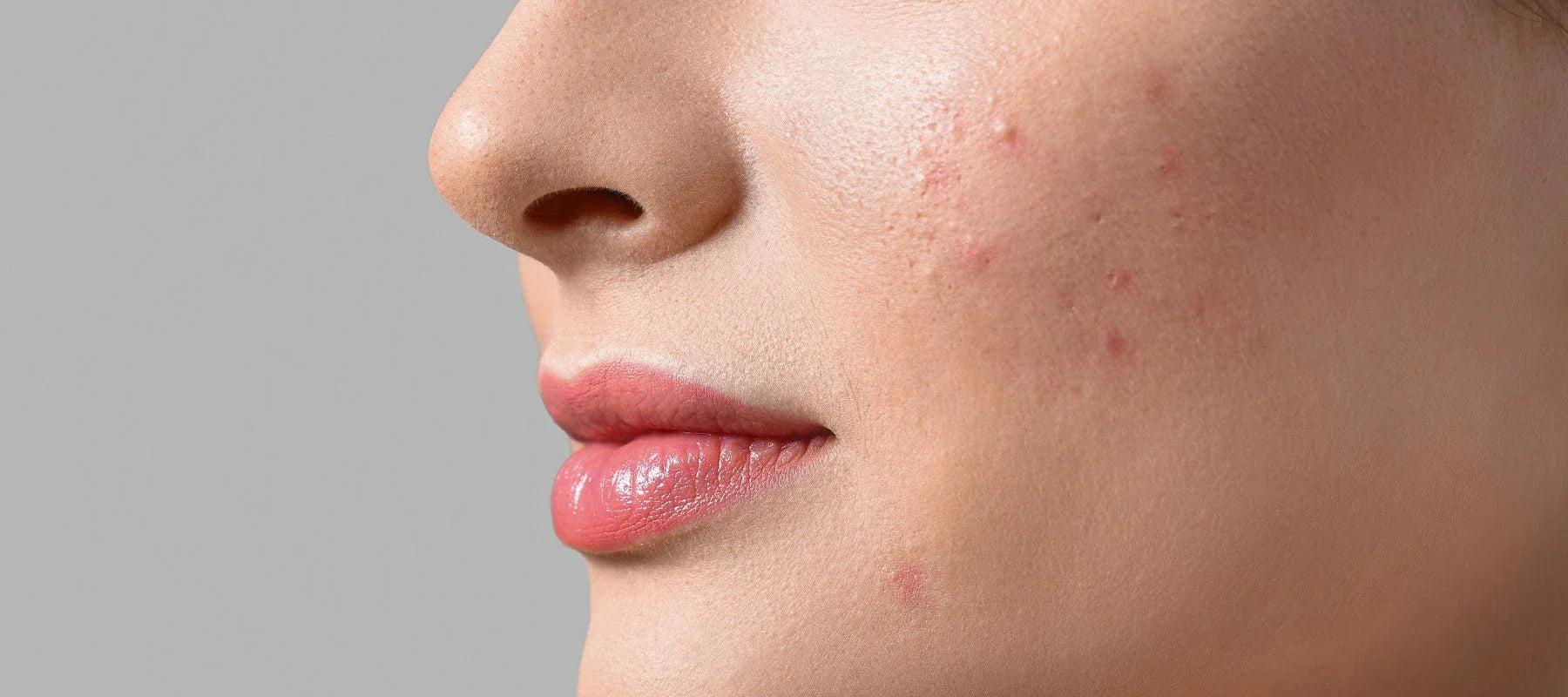
Acne is one of the most common skin concerns, affecting people of different ages and skin types. It can appear as small bumps, blackheads, whiteheads, inflamed spots, or deeper lumps beneath the skin. Although acne is often associated with adolescence, adults can also experience persistent breakouts due to hormonal changes, excess oil production, clogged pores, and other skin-related factors. Understanding the different forms of acne helps individuals recognize their skin concerns and explore suitable solutions. Pimples Treatment in Dubai involves understanding the underlying type of acne and selecting an appropriate approach to improve skin clarity, reduce active breakouts, and support a smoother complexion.
What Is Acne and How Does It Develop?
Acne is a skin condition that develops when hair follicles become blocked with excess sebum, dead skin cells, and other debris. These blockages can create an environment where acne-related bacteria multiply, contributing to inflammation and visible breakouts.
The condition can affect several areas, including:
-
Forehead and temples
-
Cheeks and nose
-
Chin and jawline
-
Chest and shoulders
-
Upper back
Acne does not look the same in everyone. Some individuals experience occasional small blemishes, while others develop persistent inflammatory spots or deeper lesions that may affect skin texture.
What Are the Common Types of Acne?
Recognizing acne types is an important part of understanding individual skin concerns. Different forms develop through different processes and may require different treatment approaches.
Non-Inflammatory Acne
Non-inflammatory acne generally develops when pores become blocked without significant surrounding inflammation. It commonly appears as blackheads and whiteheads.
Whiteheads
Whiteheads develop when a pore becomes clogged with sebum and dead skin cells while remaining closed at the surface. They usually appear as small, white or flesh-coloured bumps.
Common characteristics include:
-
Small, raised bumps
-
Closed and blocked pores
-
Usually minimal surrounding redness
-
Frequent appearance on the forehead, chin, and cheeks
Blackheads
Blackheads form when clogged pores remain open at the skin's surface. The material inside the pore reacts with oxygen, creating a darker appearance.
They commonly appear around the nose, forehead, and chin. Their dark colour is not caused by dirt but by the oxidation of substances within the blocked pore.
Inflammatory Acne
Inflammatory acne develops when blocked follicles become irritated and inflamed. It can produce redness, swelling, tenderness, and more noticeable skin lesions.
Papules
Papules are small, raised, red or pink bumps that develop when inflammation affects the hair follicle. They usually do not contain visible pus and may feel sensitive when touched.
Papules can appear in clusters or individually and may affect the cheeks, forehead, chin, and other acne-prone areas.
Pustules
Pustules are inflamed acne lesions that contain visible pus. They often have a white or yellow centre surrounded by reddish skin.
Their appearance can include:
-
A raised and inflamed surface
-
A visible white or yellow centre
-
Redness around the affected follicle
-
Local tenderness
Pustules can develop when inflammation increases around a blocked pore.
Moderate to Severe Acne Types
Some acne conditions involve deeper inflammation and more extensive skin involvement. These forms may require a carefully selected treatment plan.
Nodular Acne
Nodular acne develops when inflammation occurs deep within the skin. It produces firm, painful lumps that may remain beneath the surface for an extended period.
Unlike smaller blemishes, nodules do not usually have a visible pus-filled centre. They can affect the cheeks, jawline, chin, chest, and back.
Early professional assessment can help manage inflammation and reduce the likelihood of long-lasting skin changes.
Cystic Acne
Cystic acne is a severe inflammatory form that involves deep, painful lesions beneath the skin. These lesions may feel soft or firm and can contain pus.
Common characteristics include:
-
Deep and swollen bumps
-
Noticeable skin tenderness
-
Persistent inflammation
-
A higher likelihood of acne scarring
Cystic acne can be particularly challenging because the inflammation develops deep within the skin. A professional assessment helps determine an appropriate approach.
What Causes Different Types of Acne?
Several factors can contribute to acne development. In many individuals, multiple causes work together to trigger breakouts.
Excess Sebum Production
Sebum is the natural oil produced by sebaceous glands. When the skin produces excessive amounts, oil can combine with dead skin cells and contribute to blocked pores.
Hormonal Changes
Hormonal fluctuations can influence oil production and increase the likelihood of breakouts. Acne may become more noticeable during puberty, menstrual cycles, pregnancy, or other periods of hormonal change.
Dead Skin Cell Accumulation
Dead skin cells naturally shed from the skin's surface. When they accumulate inside hair follicles, they can contribute to clogged pores and the development of blackheads and whiteheads.
Acne-Related Bacteria
Cutibacterium acnes naturally lives on the skin. However, changes within blocked follicles can encourage bacterial activity and contribute to inflammation.
Genetic Factors
Family history can influence an individual's likelihood of developing acne. Some people naturally have more active oil glands or a greater tendency toward inflammatory breakouts.
What Are the Available Treatments for Different Acne Types?
Acne treatment depends on the severity, appearance, location, and underlying cause of the condition. Two important treatment approaches include topical acne treatment and professional in-clinic procedures.
Topical Acne Treatment
Topical treatment focuses on the skin's surface and affected pores. It may be recommended for individuals experiencing mild to moderate acne, including blackheads, whiteheads, and certain inflammatory breakouts.
Depending on the skin condition, treatment approaches may include:
-
Retinoid-based treatment to help regulate skin cell turnover and prevent blocked pores.
-
Benzoyl peroxide-based treatment to reduce acne-related bacteria and inflammation.
-
Salicylic acid-based treatment to help clear accumulated dead skin cells and unclog pores.
-
Azelaic acid-based treatment to address acne-related inflammation and uneven pigmentation.
The selection depends on skin sensitivity, acne severity, and individual requirements. A qualified professional can determine which approach is suitable.
Professional In-Clinic Acne Treatment
Professional procedures may be considered when acne is persistent, widespread, or associated with deeper skin concerns. These approaches focus on managing active breakouts, improving pore appearance, and addressing certain acne-related skin changes.
Depending on the individual's condition, options may include:
-
Chemical peels: These procedures use carefully selected exfoliating solutions to remove accumulated dead skin cells and improve clogged pores.
-
Laser-based treatments: Certain laser procedures target specific acne-related concerns, including inflammation, oil activity, or residual marks.
-
Professional acne extraction: Carefully performed extraction may help remove selected blackheads and whiteheads from clogged pores.
-
Light-based treatments: Certain light therapies target acne-related bacteria and inflammation and may be considered for selected cases.
The most suitable procedure depends on the type of acne, skin condition, and treatment goals. Deeper nodular or cystic acne generally requires medical assessment rather than cosmetic procedures alone.
How Does the Acne Treatment Process Work?
The treatment process begins with understanding the skin's current condition and identifying the type of acne present.
Skin Assessment
The skin is examined to identify clogged pores, inflammatory lesions, deeper acne bumps, and any existing scars or pigmentation.
Identifying the Suitable Approach
After evaluating the acne type and severity, an appropriate treatment plan is selected. Mild comedonal acne may respond to topical approaches, while persistent inflammatory acne may require medical treatment or additional procedures.
Performing the Selected Treatment
The procedure depends on the chosen approach. For example, a chemical peel involves applying a selected solution for a controlled period, whereas light-based procedures use specific wavelengths directed toward the targeted skin concerns.
Evaluating Skin Progress
Skin improvement is assessed over time. Multiple sessions or adjustments may be necessary, depending on the acne type and individual response.
What Are the Benefits of Treating Acne?
Managing acne can offer several improvements in skin appearance and overall comfort.
Helps Reduce Active Breakouts
Suitable treatment can help control blocked pores, reduce inflammation, and limit the development of new blemishes.
Improves Skin Texture
Addressing clogged pores and persistent acne may help create a more even and refined skin surface.
Reduces the Appearance of Acne Marks
Certain treatments can improve post-acne pigmentation and uneven skin texture, depending on the depth and type of marks.
Supports Clearer-Looking Skin
A suitable treatment plan can help improve the overall appearance of acne-prone skin and support more consistent skin clarity.
Frequently Asked Questions
What Is the Most Common Type of Acne?
Blackheads, whiteheads, papules, and pustules are among the most common acne types. Their appearance depends on whether the affected pores are blocked or inflamed.
Can Acne Affect Adults?
Yes, acne can develop during adulthood due to hormonal fluctuations, genetics, excess oil production, and other contributing factors.
Which Acne Type Is More Difficult to Treat?
Nodular and cystic acne are generally more challenging because they involve deeper inflammation and may increase the likelihood of scarring.
Can Different Acne Types Appear Together?
Yes, an individual can experience blackheads, whiteheads, papules, and pustules simultaneously. This is known as mixed acne.
How Long Does Acne Treatment Take to Show Results?
The timeline varies according to acne severity, treatment selection, and individual skin response. Many acne treatments require consistent use over several weeks before noticeable improvement develops.
Can Acne Leave Permanent Marks?
Some inflammatory acne lesions can damage surrounding skin tissue and leave persistent scars. Early management can help reduce the likelihood of lasting changes.
Are Professional Procedures Suitable for Every Acne Type?
No. The suitability of professional procedures depends on the type and severity of acne. Deep inflammatory acne may require medical management before cosmetic procedures are considered.
Conclusion
Understanding the common types of pimples is an important step toward achieving healthier-looking and clearer skin. From blackheads and whiteheads to papules, pustules, nodules, and cystic acne, every form has distinct characteristics and treatment requirements. Topical approaches can help manage clogged pores and mild breakouts, while professional procedures may address selected inflammatory concerns, acne marks, and uneven texture. A carefully selected treatment plan based on the individual's skin condition can support long-term improvement and help maintain a smoother, more balanced complexion.

 English
 Arabic
 French
 Spanish
 Portuguese
 Deutsch
 Turkish
 Dutch
 Italiano
 Romaian
 Portuguese (Brazil)
 Greek