


What Attracts Pests to Your Home Even When It Looks Clean?
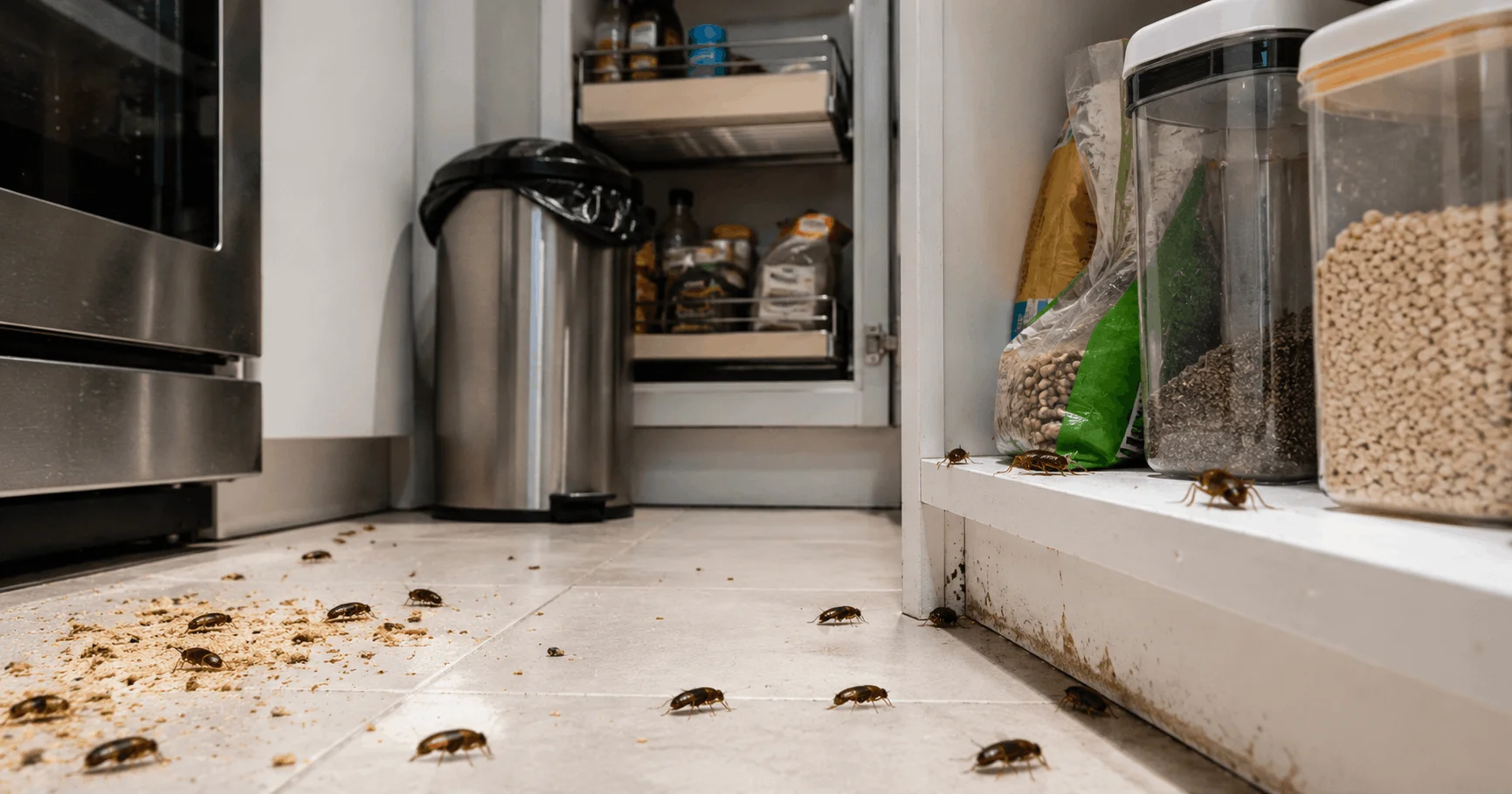
A spotless Toronto kitchen can still pull in ants and mice. Cleanliness helps, but it does not stop every pest. Bugs and rodents chase food, water, and shelter first no matter how tidy a home looks. Pests act on instinct, not judgment. They test a home the same way every time, checking for open access and steady resources.
Small hidden conditions matter far more to them than dust or clutter ever will. This is why even careful homeowners still face pest problems each year. This guide walks through those hidden conditions, both inside and outside your home, and shows you exactly how to fix them.
Why Clean Homes Still Attract Pests
Even a tidy home can face repeat pest problems. We have walked through spotless homes and found active nests fast. A well maintained home still offers a safe place. It also offers stable conditions for pests to search for. Pests do not check for dirt first. They check for open access instead. They also look for steady food and water. Most Toronto homes offer both without the owner noticing.
Skipping small issues adds up over time. Left alone, this can lead to structural damage. Wood framing and insulation take the biggest hit. Many homeowners miss the subtle attractants hiding nearby. A cracked weep hole is one example. A loose vent cover near the roofline is another. Ants, cockroaches, rodents, and spiders all read a home the same way. They look past the surface first. They test the small stuff next. This is why cleaning alone rarely stops a repeat pest problem.
The Hidden Conditions That Attract Pests Indoors
Every home has quiet main entry points. Pests use these spots daily. Wall cavities offer safe cover fast. So do other undisturbed areas in a home. Indoor conditions matter more than a clean look. Pests only need their basic survival needs met. Easy access turns any room into a safe nesting ground.
Why Moisture Attracts Pests
Damp spots pull pests in fast. A single dripping faucet can cause real trouble. Leaky pipes under sinks create steady water access. High humidity feeds pests like silverfish and roaches. A damp basement builds moisture over time. So does a damp crawl space. Poor ventilation locks that moisture inside your walls. This leads to condensation first. Then it leads to mold. Wood softening and drywall damage often follow. Fixing one small leak can stop all of this.
Hidden Food Sources Pests Find
Open pantry items send a signal to pests. Crumbs and spills left overnight become an easy meal. Pet food bowls left out add another steady source. Grease buildup near the stove draws pests fast. Sugary drinks do the same. So does food residue on counters. Store your grains and cereal the smart way. Use sealed containers or airtight containers instead. Even cardboard boxes in storage can hold pest interest.
Small Gaps That Shelter Pests
Pests only need a tiny crack to get inside. Small crevices near the foundation offer an easy path in. Torn window screens create open doors. So do missing door sweeps. Skipping weather stripping leaves gaps pests use daily. Some pests fit through a dime sized hole. Others slip through a gap the size of a credit card. Empty wall voids often go unnoticed. So do open baseboards. Check near utility line openings too. Do not forget your vents.
Why Your Yard Attracts Pests Before They Enter Your Home
Your yard often invites pests before they reach your door. Bushes touching siding give pests a direct bridge inside. Leaf piles trap moisture near your home. Thick mulch beds do the same. Woodpiles offer shelter through fall and winter. So does loose firewood storage.
Water sitting outside adds even more risk. Standing water near the yard draws pests fast. Clogged gutters create the same problem. So do untouched birdbaths. Overgrown shrubs build hidden paths inward. Trees near roof lines do too. Active garden beds pull pests closer to your home. So do open compost bins. Loose outdoor garbage bins finish the job with easy food.
Why Some Homes Experience More Pest Activity
Not every Toronto home faces the same pest pressure. Seasonal shifts push pests indoors fast. Sudden weather changes add to this too. Older construction often comes with more small gaps. Foundation cracks widen over time without checks. Each year, this gives pests a wider opening.
Location plays a role too. Homes near nearby vegetation see more activity overall. Trees and shrubs act as a staging ground. A previous infestation history points to old conditions. These conditions often never fully changed. Construction age affects this as well. So do material choices. Older wood framing offers easier access. Proximity to fields raises pest traffic nearby. So does proximity to water. Even general neighborhood pest pressure can shift how often pests show up.
Changes That Make Your Home Less Attractive to Pests
Small habits make a real difference over time. Most pest problems build up slowly. A few skipped tasks each season are often the cause. The good news is these fixes take little effort. A bead of caulk can close a gap fast. A cleared gutter does the same. A sealed container can too.
Indoor Habits That Reduce Pest Attraction
Start by working to seal entry points around doors and windows. Taking time to declutter removes hiding spots pests rely on. Fixing leaks early stops moisture from building up. Store food the smart way. Use containers with tight fitting lids in the pantry. Small kitchen habits matter too. Wipe counters each week. Check under the sink often. This catches problems early.
Outdoor Maintenance That Lowers Pest Risk
Outdoor upkeep plays a big role. Trim vegetation away from your siding. This removes easy bridges inside. Clean your gutters each season. This stops water buildup near the roofline. Reduce clutter in garages and sheds. Do the same in storage rooms. Add routine home care to your yearly checklist. Check your home's perimeter often. Early checks catch small gaps fast.
Protect Your Home with a Professional Pest Inspection
A professional pest inspection finds what a quick look misses. Our licensed technician team runs a comprehensive inspection. This means early detection for your home. We build a customized treatment plan just for you. Year round protection comes built in. Visit Pestiseed to book your inspection today.

 Arabic
 French
 Spanish
 Portuguese
 Deutsch
 Turkish
 Dutch
Dutch
 Italiano
 Russian
 Romaian
 Portuguese (Brazil)
 Greek
Greek