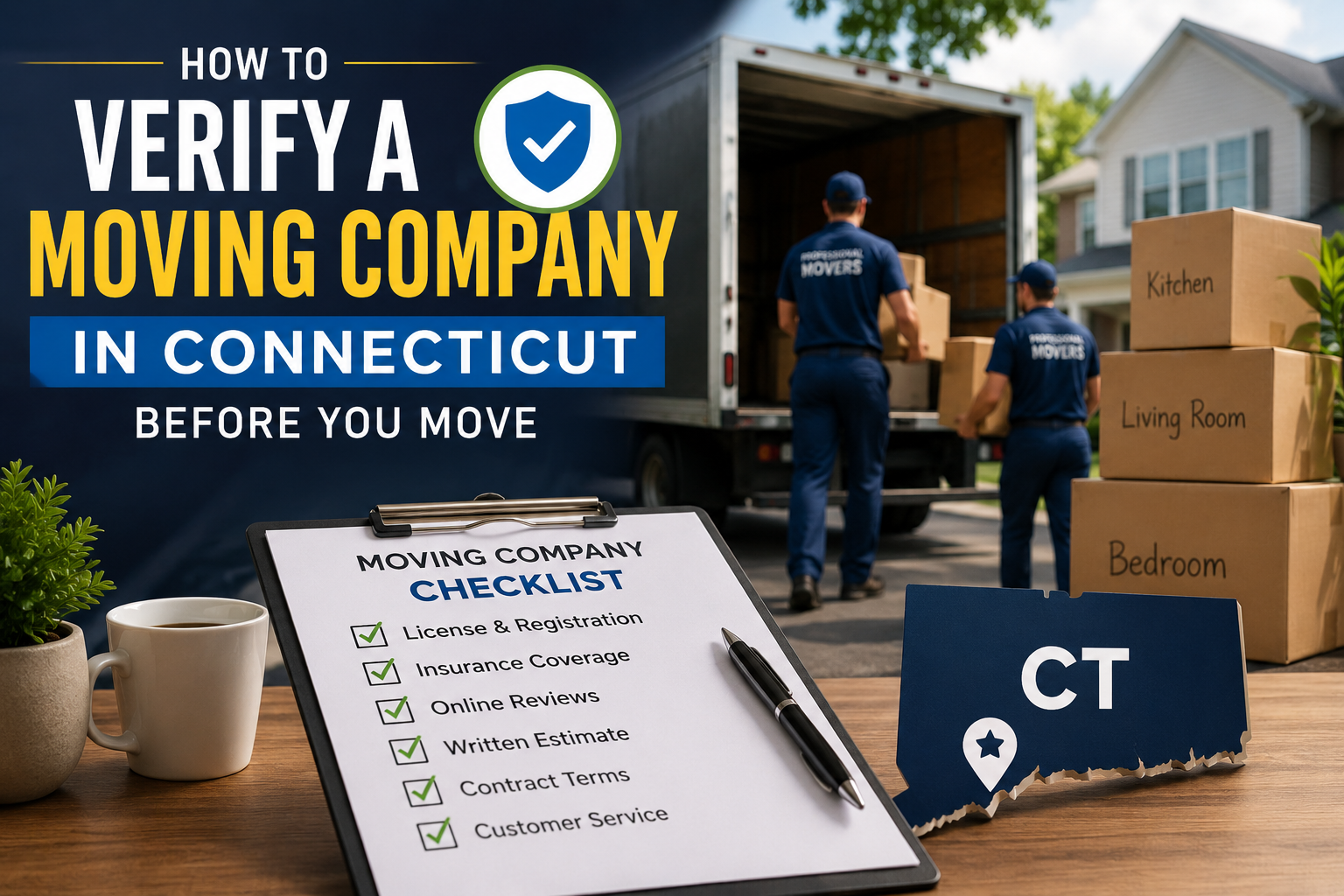
Moving to a new home is an exciting milestone, but it can quickly become stressful if you hire the wrong moving company. While many movers are professional and reliable, some operate with misleading pricing, hidden fees, or poor business practices. Taking the time to Verify a Moving Company in Connecticut before signing a contract can help you avoid unnecessary costs, delays, and damaged belongings.
Whether you're planning a local move within Connecticut or relocating to another state, doing your research is essential. A few simple verification steps can save you from major headaches and ensure your move goes as planned.
Why It's Important to Verify a Moving Company in Connecticut
Choosing a mover based solely on the lowest quote or attractive advertisements can be risky. Some dishonest companies lure customers with unrealistically low estimates, only to demand significantly more money once the truck is loaded. Others fail to show up on moving day or provide poor-quality service.
The best way to protect yourself is to verify that the company is properly licensed, insured, and authorized to perform the type of move you need. Connecticut regulates in-state household goods movers, while interstate movers must also comply with federal regulations.
Check Licensing and Registration
The first step to Verify a Moving Company in Connecticut is confirming that the business is legally authorized to operate.
For local Connecticut moves, household goods carriers must hold the appropriate state operating authority. If you're moving across state lines, the company should have a valid U.S. DOT number and federal operating authority where required. Federal records also show whether the mover has active insurance and complaint history.
Never rely solely on information displayed on a company's website. Always cross-check official records before making your decision.
Verify Insurance Coverage
Accidents can happen during any move. That's why insurance is one of the most important factors to verify.
Ask the moving company about:
- Liability coverage
- Cargo protection
- Valuation options
- Claims process for damaged items
A professional mover should clearly explain your coverage options and provide documentation upon request. If representatives avoid answering questions or cannot provide proof of insurance, consider it a warning sign.
Read Customer Reviews Carefully
Online reviews provide valuable insight into how a moving company treats its customers.
Instead of looking only at the overall rating, read detailed reviews and pay attention to recurring issues such as:
- Hidden charges
- Late arrivals
- Damaged furniture
- Poor communication
- Lost belongings
Also notice how the company responds to customer complaints. Businesses that professionally address problems often demonstrate stronger customer service than those ignoring negative feedback.
Request a Written Estimate
One of the easiest ways to avoid unexpected expenses is requesting a detailed written estimate.
A reputable mover should inspect your belongings either in person or through a virtual survey before preparing an estimate. Written estimates typically include:
- Packing services
- Transportation costs
- Labor charges
- Additional fees
- Estimated delivery schedule
Avoid companies that provide extremely low estimates without understanding the size of your move. Legitimate movers generally base pricing on the actual inventory rather than making guesses over the phone.
Watch for Common Warning Signs
Learning to recognize red flags can help you Verify a Moving Company in Connecticut more effectively.
Some common warning signs include:
- Large upfront cash deposits
- No physical business address
- Generic or changing company names
- No written contract
- Extremely low pricing compared to competitors
- Pressure to book immediately
- Unprofessional communication
If something feels suspicious, trust your instincts and continue researching other companies.
Understand the Difference Between Movers and Brokers
Many consumers don't realize there's a difference between a moving company and a moving broker.
A moving company owns trucks and performs the move directly.
A moving broker connects customers with carriers but usually doesn't transport belongings themselves.
Neither option is automatically bad, but you should always know exactly who will be handling your household goods before signing any agreement. Federal regulations distinguish between registered companies and those specifically authorized to transport household goods.
Review the Contract Before Signing
Before committing to any mover, carefully review every document.
Pay close attention to:
- Pickup and delivery dates
- Cancellation policy
- Payment schedule
- Insurance details
- Additional service charges
- Inventory list
Never sign blank paperwork or contracts with incomplete information.
If any terms seem confusing, ask for clarification before moving forward.
Ask Questions Before Hiring
Professional movers expect customers to ask questions.
Some helpful questions include:
- How long have you been serving Connecticut?
- Are you licensed for my type of move?
- Is your estimate binding or non-binding?
- What happens if my move is delayed?
- How are fragile items protected?
- What payment methods do you accept?
Clear, confident answers usually indicate a company that values transparency.
While researching companies, many homeowners also browse resources like Moving Scam Stories to learn from real customer experiences and recognize common scam tactics before making a hiring decision.
Know Your Rights as a Customer
Consumers have rights when hiring professional movers.
For interstate moves, movers are required to provide important consumer information explaining your rights and responsibilities before the move begins. Understanding these protections helps you recognize when a company is not following legal requirements.
Keeping copies of contracts, estimates, receipts, and communications can also make resolving disputes much easier if problems arise.
What to Do If You Suspect a Scam
Even after careful research, problems can occasionally occur.
If you believe you've hired a dishonest moving company:
- Save all contracts and receipts.
- Take photos of damaged belongings.
- Document every conversation.
- Contact the company in writing.
- File complaints with the appropriate state or federal consumer protection agencies if necessary.
Prompt action increases the likelihood of resolving disputes successfully.
Final Thoughts
Taking the time to Verify a Moving Company in Connecticut is one of the smartest investments you can make before moving day. Checking licenses, verifying insurance, reviewing customer feedback, comparing written estimates, and understanding your legal protections all contribute to a safer, smoother relocation.
Rather than rushing to book the cheapest option, focus on hiring a company with verified credentials, transparent pricing, and a strong reputation for customer service. A little preparation today can help ensure your belongings arrive safely, your budget stays on track, and your move becomes a positive experience from start to finish.




 English
 Arabic
 French
 Spanish
 Portuguese
 Turkish
 Dutch
Dutch
 Italiano
 Russian
 Romaian
 Portuguese (Brazil)
 Greek
Greek