


The Habitat Chronicle: Comprehensive Treatise on Spatial Psychology, Digital Publishing, and Intentional Living
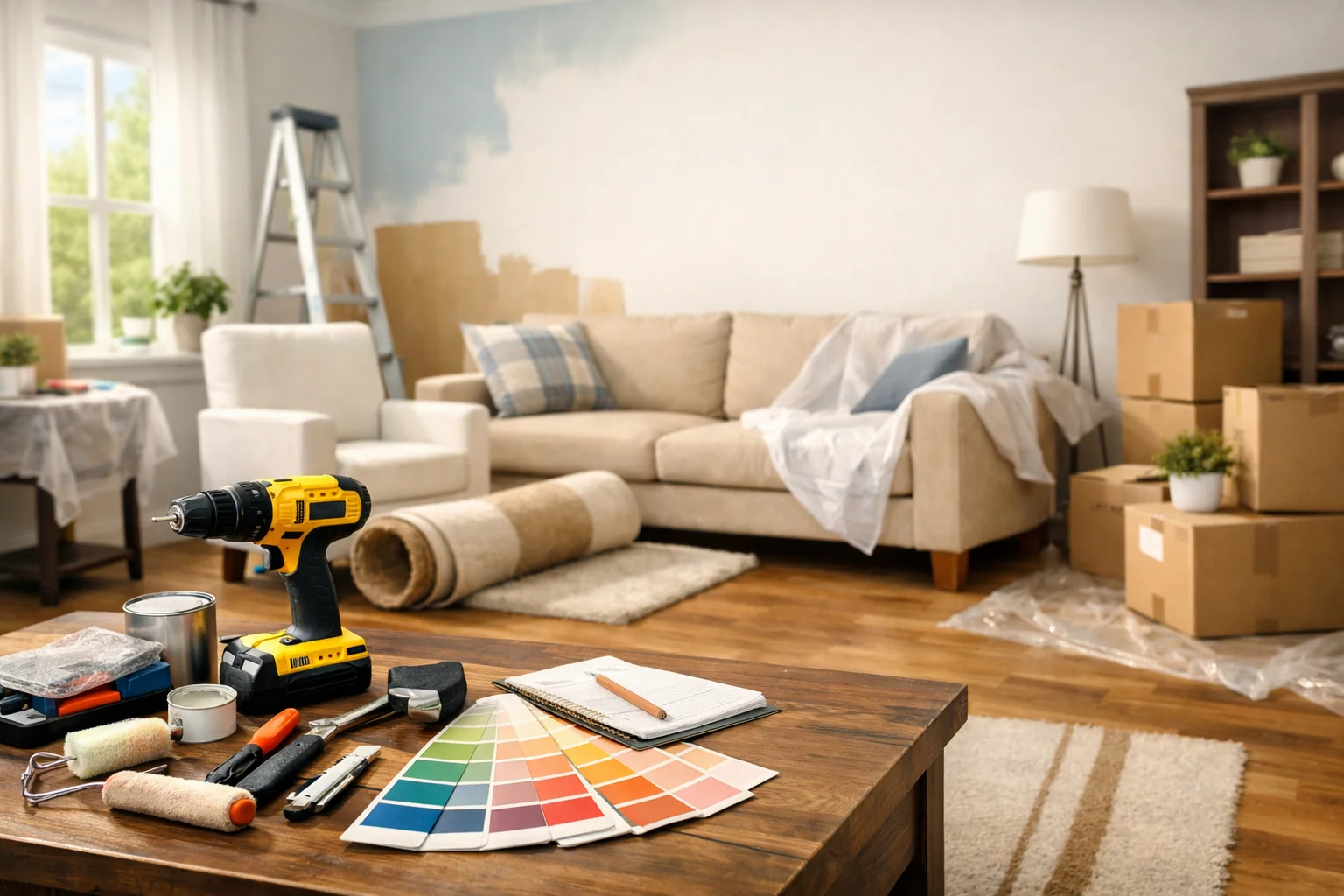
In an era defined by rapid technological acceleration and constant digital connectivity, our living environments have evolved into much more than mere physical shelters. They serve as our personal sanctuaries, creative laboratories, and tangible manifestations of our inner identities. Cultivating a dynamic lifestyle blog offers a profound avenue to document this journey, sharing daily wellness practices, design milestones, and personal evolution with an engaged global audience. Whether you are chronicling creative growth or sharing practical insights for daily living, blending lifestyle storytelling with hands-on domicile upgrades creates an intricate, multifaceted narrative that resonates deeply with modern readers seeking authenticity, peace, and functional elegance.
Part I: The Psychology of Space and Digital Content Creation
Before embarking on physical renovations or structural updates, it is crucial to understand the psychological foundation of our environments. The spaces we inhabit silently dictate our mood, concentration levels, and emotional resilience over time.
Harmonizing Digital Expression with Physical Reality
Your online publishing platform acts as a digital mirror of your physical world. When creators attempt to separate their online brand from their tangible environment, readers often detect a lack of authenticity and disconnect quickly.
-
Authenticity as Currency: Audiences connect with real struggles and genuine triumphs rather than sterile, unattainable perfection.
-
Visual Storytelling: Highlighting real, lived-in corners of your home bridges the gap between digital text and physical reality.
-
Consistency: Maintaining a steady theme across your articles and your physical styling solidifies your unique brand identity.
Finding Creative Sparks in the Mundane
Great content rarely emerges from extraordinary events; instead, it is born from mindful observation of ordinary moments. Notice how the morning light shifts across your wooden dining table, or how clearing a cluttered desk instantly alters your mental clarity. These micro-observations form the bedrock of engaging lifestyle narratives that captivate readers' attention from the first paragraph.
Part II: Deep Dive Into Interior Psychology and Mindset
The layout, color scheme, and organization of a room exert a powerful, measurable influence on human cognitive function. Environmental psychology confirms that visual clutter directly correlates with elevated cortisol levels, while orderly, natural environments promote focus, creativity, and deep relaxation.
The Link Between Environmental Order and Cognitive Focus
When your physical surroundings are chaotic, your brain expends valuable neurological energy filtering out visual noise. By establishing intentional order, you free up mental bandwidth for higher-level creative tasks and strategic planning.
-
Reduced Mental Fatigue: Clean sightlines allow the brain to rest and recover between intense work sessions.
-
Enhanced Motivation: A beautifully arranged workspace primes your psychology for productivity and flow states.
-
Emotional Grounding: Coming home to an organized sanctuary provides a protective buffer against external stressors.
Part III: Practical Home Improvement Ideas for Every Room
Revitalizing your living environment does not necessitate an extravagant renovation budget or a team of interior architects. Often, small, intentional adjustments yield the most dramatic spatial and emotional transformations.
Upgrading Walls and Surfaces with Textural Depth
Blank walls represent untapped potential for personal expression. Introducing sculptural art pieces, framed botanical prints, or intricate metallic architectural models creates eye-catching focal points that break up monotony. These elements add sophisticated tactile depth to living rooms, entryways, and home offices without overwhelming existing decor.
Maximizing Natural Light and Spatial Flow
Illumination dictates the perceived size and mood of any room. Maximize sunlight penetration by repositioning heavy furniture away from windows, hanging large mirrors opposite light sources to bounce rays into darker corners, and swapping heavy, light-blocking drapes for sheer linen alternatives that invite the outdoors inside.
Part IV: Advanced Storage and Organization Strategies
Clutter is the silent adversary of domestic peace. Finding creative, hidden storage solutions keeps your rooms looking pristine while ensuring your daily essentials remain easily accessible when needed.
Investing in Multi-Functional Furnishings
In contemporary floor plans, maximizing square footage is paramount. Choosing furniture that performs dual roles—such as storage ottomans, extendable dining tables, and platform beds with integrated drawer systems—preserves an upscale minimalist aesthetic while providing maximum utility.
Exploiting Vertical Architecture
When floor space reaches its limit, your gaze should shift upward. Installing modular floating shelves, tall bookcase units, and wall-mounted pegboard systems allows you to display cherished decorative items while keeping utility supplies neatly organized and off the floor.
Part V: Cultivating Creativity Through Dedicated Zones
Your environment should actively support your passions, hobbies, and professional workflows. Designing specialized zones within your house fosters greater discipline and imaginative output.
Curating a Dedicated Creative Nook
Designating a specific corner of your home exclusively for writing, crafting, or brainstorming conditions your mind for focused work. Equip this micro-space with ergonomic seating, warm task lighting, and inspiring mood boards to keep motivation high.
Integrating Biophilic Design Elements
Houseplants breathe organic vitality into indoor environments. From architectural snake plants to cascading pothos vines, introducing greenery improves indoor air quality and instills a calming, nature-connected atmosphere that lowers heart rates and boosts mood.
Part VI: Sustainable Living and Mindful Consumption
Modern home improvement is increasingly intertwined with environmental consciousness. Making intentional choices about the materials we bring into our homes protects both our personal health and the planet.
Choosing Eco-Friendly Materials
Opting for reclaimed wood, non-toxic water-based paints, organic cotton textiles, and energy-efficient LED lighting reduces your ecological footprint while creating a healthier indoor climate free from synthetic off-gassing.
Part VII: Bringing Your Digital Narrative Together
Your living space and your creative pursuits grow hand in hand. As you explore various home improvement ideas, remember that the ultimate objective is to forge a harmonious environment that fuels your passions, supports your workflow, and brings daily satisfaction.
Frequently Asked Questions
What are the most effective ways to find fresh inspiration for interior upgrades?
You can discover wonderful concepts by browsing interior design magazines, visiting architectural exhibitions, exploring online lifestyle publications, and observing natural textures and color palettes in your everyday surroundings.
How can I make a small room feel larger without structural remodeling?
Utilizing light color palettes, hanging mirrors opposite windows to reflect natural light, choosing multi-functional furniture, and keeping floor spaces clear of unnecessary clutter will instantly make any compact room feel much more open.
Are metallic decor elements suitable for minimalist interior designs?
Yes, when used sparingly. Sleek brass, brushed nickel, or matte black metallic accents add a sophisticated focal point and textural contrast to minimalist spaces without cluttering the visual field.
What is the most cost-effective home improvement project for high impact?
A fresh coat of neutral paint is generally considered the most budget-friendly upgrade with the highest visual impact, instantly revitalizing tired walls and modernizing the entire atmosphere of a room.
How do indoor plants improve both mental well-being and home aesthetics?
Indoor greenery improves indoor air quality and introduces biophilic elements that have been scientifically proven to reduce stress levels, boost mood, and enhance overall cognitive focus while adding organic color and texture.

 English
 Arabic
 French
 Spanish
 Portuguese
 Deutsch
 Turkish
 Italiano
 Russian
 Romaian
 Portuguese (Brazil)
 Greek
Greek