


10 Powerful Home Remedies for Cellulitis and Skin Care
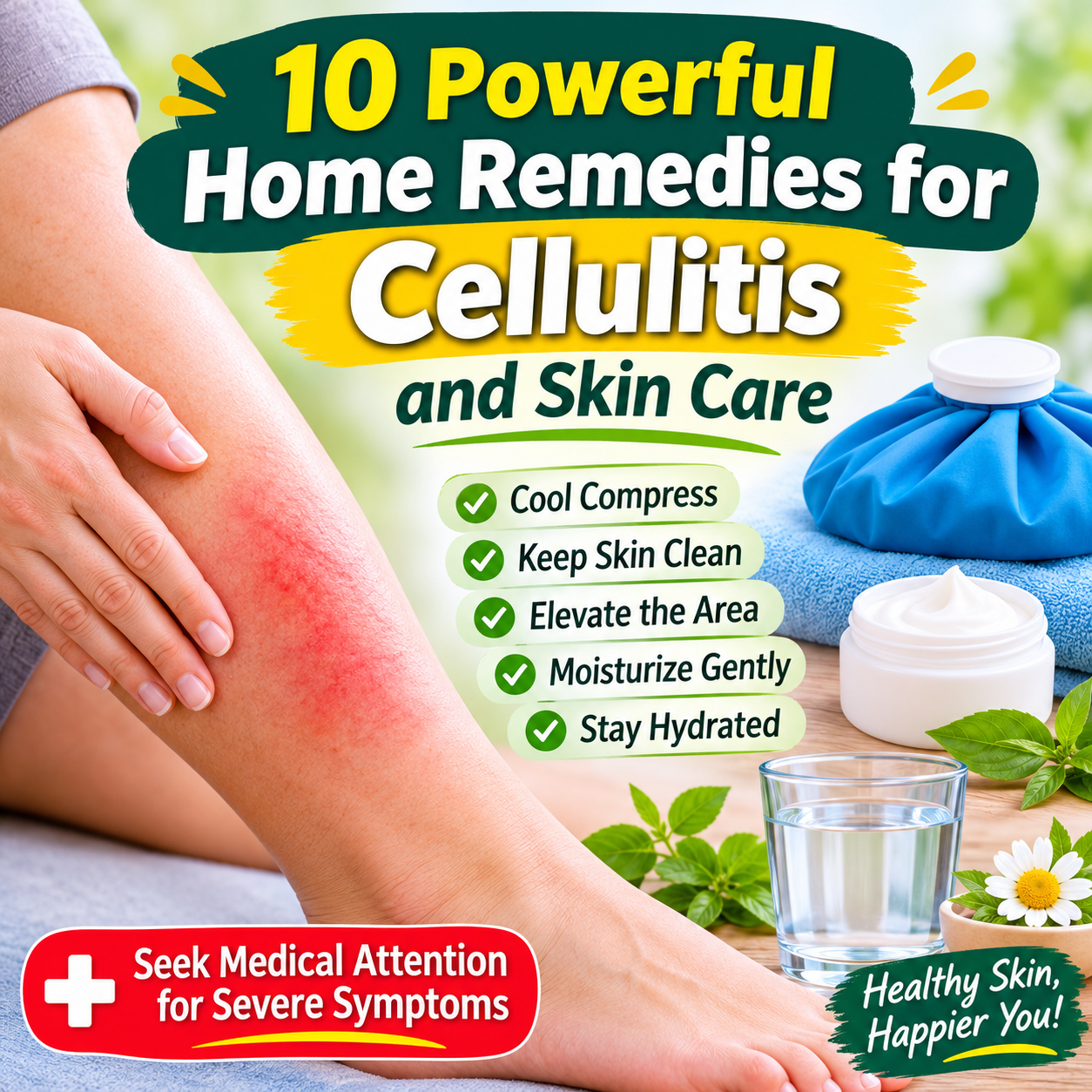
Healthy skin is essential for protecting the body against bacteria, infections, and environmental damage. However, when bacteria enter the skin through cuts, wounds, insect bites, or cracks, they can cause an infection known as cellulitis. This common bacterial skin infection can lead to redness, swelling, warmth, tenderness, and pain in the affected area. It most frequently affects the lower legs, although it can develop on other parts of the body.
Many people search for Home Remedies for Cellulitis because they want natural ways to soothe irritated skin, reduce discomfort, and support the healing process. Although natural ingredients and proper skin care can help maintain skin health, it is important to understand that cellulitis is a bacterial infection that requires prompt medical assessment and usually prescription antibiotics. Home remedies cannot eliminate the infection or replace medical treatment.
When used alongside appropriate medical care, simple skin-care practices may help protect the affected area, improve comfort, and prevent further irritation. In this article, we will explore ten supportive home-care approaches, discuss natural ingredients, and share practical tips for maintaining healthy skin.
Important medical note: If you suspect cellulitis, seek medical attention promptly, preferably the same day. Spreading redness, fever, chills, increasing pain, or swelling requires urgent assessment. Confusion, fainting, rapid breathing, or feeling severely unwell may indicate a medical emergency.
1. Apply a Clean, Cool Compress
A cool compress is one of the simplest ways to soothe uncomfortable skin. Cellulitis can cause warmth, tenderness, and swelling, making the affected area feel irritated. A clean, cool, damp cloth may provide temporary relief from these symptoms.
To prepare a compress, soak a clean washcloth in cool water, squeeze out excess water, and gently place it over the affected area for a few minutes. Avoid rubbing, pressing, or massaging the infected skin. Always use a freshly cleaned cloth to prevent contamination.
A cool compress does not kill the bacteria responsible for cellulitis, but it may help make the skin feel more comfortable while prescribed treatment takes effect. Avoid applying ice directly to the skin because extreme cold can cause additional irritation or injury.
2. Keep the Affected Skin Clean and Dry
Proper hygiene plays an important role in managing skin infections. Keeping the affected area clean helps remove dirt, sweat, and other substances that may irritate damaged skin.
Gently wash the surrounding skin with lukewarm water and mild, fragrance-free soap. Avoid harsh cleansers, exfoliating products, and strong chemical ingredients. After washing, pat the area dry with a clean, soft towel instead of rubbing it.
If there is an open wound, follow your healthcare professional's instructions for cleaning and dressing it. Do not attempt to squeeze blisters, drain pus, or remove damaged skin yourself.
Good hygiene is an essential part of skin care and can help protect the skin barrier during recovery.
3. Elevate the Affected Area
Elevation is a helpful home-care technique, especially when cellulitis affects the legs, ankles, feet, or arms. Infection can cause fluid to accumulate in the surrounding tissues, contributing to swelling and discomfort.
If your leg is affected, try resting with it supported on one or more pillows so that it is elevated above the level of your heart when practical. If your arm is affected, support it comfortably on a pillow while sitting or lying down.
Avoid remaining in one position for too long. Gentle movement, when comfortable, can help prevent stiffness in nearby joints.
Elevation does not treat the underlying bacterial infection, but it can help reduce swelling and improve comfort during recovery. It is one of the recommended supportive measures used alongside prescribed antibiotics.
4. Use Gentle, Skin-Friendly Moisturizers
Dry skin can develop tiny cracks that allow bacteria to enter the body. Maintaining a healthy skin barrier is therefore important, particularly for people who experience recurring skin infections.
Choose a gentle, fragrance-free moisturizer containing ingredients such as glycerin, ceramides, or petroleum jelly. These ingredients help maintain moisture and protect the skin from excessive dryness.
Apply moisturizer to dry, intact skin surrounding the affected area. Avoid putting cosmetic creams or unfamiliar products directly onto infected or open wounds unless your healthcare professional recommends them.
People interested in Herbal Care Products should choose carefully. Products containing natural ingredients are not automatically safe for infected or sensitive skin. Essential oils, strong fragrances, and concentrated botanical extracts may cause irritation or allergic reactions.
The best approach is to prioritize simple, dermatologist-friendly skin-care products and follow medical advice.
5. Drink Plenty of Water and Stay Hydrated
Hydration supports normal body functions, including circulation, temperature regulation, and the body's natural healing processes. When someone has a skin infection accompanied by fever or sweating, maintaining adequate fluid intake becomes particularly important.
Drink water regularly throughout the day. You can also include water-rich foods such as cucumbers, oranges, watermelon, and other fresh fruits and vegetables.
Avoid relying on sugary drinks as your main source of hydration. If you have a medical condition that requires limiting your fluid intake, follow your healthcare professional's recommendations.
Although drinking water cannot directly eliminate the bacteria responsible for cellulitis, adequate hydration supports overall health while your body recovers.
6. Get Enough Rest and Avoid Excessive Pressure
Rest is an important part of recovery from infections. When the body is fighting a bacterial infection, adequate sleep and reduced physical strain can support general well-being.
If cellulitis affects your leg, avoid long walks, strenuous exercise, and activities that put unnecessary pressure on the infected area. If it affects your arm, limit activities that increase discomfort or swelling.
Try to maintain a comfortable sleeping position that does not place pressure on the affected skin. You can also use pillows to support the affected limb.
Rest does not replace antibiotics, but it can make recovery more comfortable. Gradually return to your usual activities as symptoms improve and your healthcare professional advises.
7. Maintain Proper Wound Care
Small cuts, scratches, insect bites, and wounds can provide an entry point for bacteria. Proper wound care is therefore essential for people experiencing cellulitis and for preventing future infections.
Wash your hands before touching a wound. Follow your healthcare professional's instructions for cleaning the area and applying an appropriate dressing.
Use clean bandages and replace them according to medical instructions or whenever they become wet or dirty. Avoid touching the wound unnecessarily, scratching the surrounding skin, or attempting to remove scabs.
Do not apply homemade herbal pastes, turmeric mixtures, vinegar, alcohol, or undiluted essential oils to an infected wound. These substances can irritate damaged skin and may interfere with proper wound care.
Good wound hygiene helps protect the skin and reduces opportunities for additional bacteria to enter.
8. Include Nutrient-Rich Foods in Your Diet
A balanced diet provides nutrients that help maintain healthy skin and support normal immune function. While no particular food can cure cellulitis, eating nutritious meals can support your general recovery.
Include foods containing vitamin C, such as oranges, strawberries, guavas, bell peppers, and broccoli. Vitamin C contributes to normal collagen formation, which is important for skin structure and wound healing.
Protein-rich foods are also important. Eggs, fish, chicken, beans, lentils, yogurt, and nuts provide protein that the body uses to repair tissues.
Other beneficial nutrients include zinc and vitamin A, which contribute to normal immune function and skin health.
Try to eat a variety of fresh vegetables, fruits, whole grains, and protein sources. People with diabetes should also manage their blood sugar carefully because uncontrolled diabetes can increase the risk of skin infections and complications.
9. Choose Gentle Herbal Skin-Care Ingredients
Natural ingredients are popular in traditional skin-care routines because some can help moisturize dry skin and improve the appearance of irritated skin. However, it is important to distinguish between cosmetic skin care and medical infection treatment.
Some people explore Herbal Remedies for Cellulitis because they prefer plant-based skin-care ingredients. Although certain botanical ingredients may have moisturizing or soothing properties, there is insufficient clinical evidence that herbal preparations can cure bacterial cellulitis.
For general skin maintenance, aloe vera-based moisturizers or products containing colloidal oatmeal may be suitable for some people with dry or sensitive skin. However, they should only be used on intact skin when appropriate, and not as a substitute for wound treatment.
Before introducing a new botanical product, check its ingredients and consider testing it on a small area of unaffected skin. Avoid applying new products to open wounds, blisters, or actively infected areas without medical approval.
Remember that natural products can still cause allergic reactions. Always prioritize medical treatment and gentle skin care over unproven remedies.
10. Monitor Your Skin and Prevent Future Infections
Prevention is one of the most important aspects of long-term skin health. People who have experienced cellulitis once may have a greater chance of developing it again, particularly when they have conditions that affect circulation, swelling, or skin integrity.
Inspect your feet, legs, hands, and other vulnerable areas regularly. Look for cuts, cracks, blisters, fungal infections, and unusual swelling.
Keep your skin clean and moisturized, trim your nails carefully, and wear comfortable footwear that protects your feet from injuries.
If you have athlete's foot, eczema, or another skin condition that causes cracking, seek appropriate treatment. These conditions can create openings through which bacteria enter the skin.
If you experience recurring cellulitis, discuss possible underlying causes with your healthcare professional. Managing swelling, diabetes, circulation problems, and chronic skin conditions can help reduce future risks.
Understanding the Importance of Medical Treatment
Although these ten home-care practices can support skin health, cellulitis is not an ordinary skin irritation. It is a bacterial infection that can spread into deeper tissues and, in serious cases, enter the bloodstream.
Doctors usually prescribe antibiotics to treat cellulitis. Depending on the severity of the infection, treatment may involve oral antibiotics or intravenous antibiotics in a hospital.
It is important to:
· Take prescribed antibiotics exactly as directed.
· Complete the prescribed course unless your doctor advises otherwise.
· Contact your healthcare professional if symptoms worsen or do not begin improving within 48 hours.
· Seek immediate medical attention if redness spreads quickly or you develop fever or chills.
· Get emergency help if you experience confusion, fainting, rapid breathing, or severe weakness.
Never delay medical treatment while experimenting with natural remedies.
Conclusion
Taking care of your skin is essential for preventing infections and maintaining overall skin health. The ten Home Remedies for Cellulitis discussed in this article focus on supportive care, including cool compresses, proper hygiene, elevation, hydration, rest, wound care, and healthy nutrition.
Natural skin-care ingredients and gentle moisturizing products may also help maintain the skin barrier, but they cannot cure bacterial cellulitis.
Combining appropriate medical treatment with healthy daily habits is the safest way to support recovery and reduce the risk of future infections. If you notice unusual redness, warmth, swelling, or pain, consult a healthcare professional promptly.
Remember, healthy skin starts with proper care, early attention to injuries, and informed treatment decisions.
Frequently Asked Questions (FAQs)
1. Can cellulitis go away naturally without antibiotics?
Cellulitis is a bacterial infection that generally requires prescription antibiotics. It can become serious if left untreated, so relying on natural remedies alone is unsafe.
2. What is the best home treatment for cellulitis?
The most helpful supportive measures include elevating the affected area, applying a clean cool compress, keeping the skin clean, drinking enough water, and following your prescribed antibiotic treatment.
3. Can aloe vera help with cellulitis?
Aloe vera may be used in some skin-care products to moisturize intact skin. However, there is no reliable evidence that it cures cellulitis. Avoid applying it to infected wounds without medical advice.
4. How long does cellulitis take to heal?
Many people begin noticing improvement within 48 to 72 hours after starting appropriate antibiotics. Complete recovery may take approximately 7 to 10 days or longer, depending on the severity of the infection.
5. How can I prevent cellulitis from coming back?
Keep your skin clean and moisturized, protect cuts and wounds, treat fungal infections promptly, wear comfortable footwear, and manage underlying health conditions with professional guidance.

 English
 Arabic
 French
 Spanish
 Portuguese
 Deutsch
 Turkish
 Dutch
 Italiano
 Russian
 Portuguese (Brazil)
 Greek