


How Smart Home Technology Is Transforming Modern Entertainment
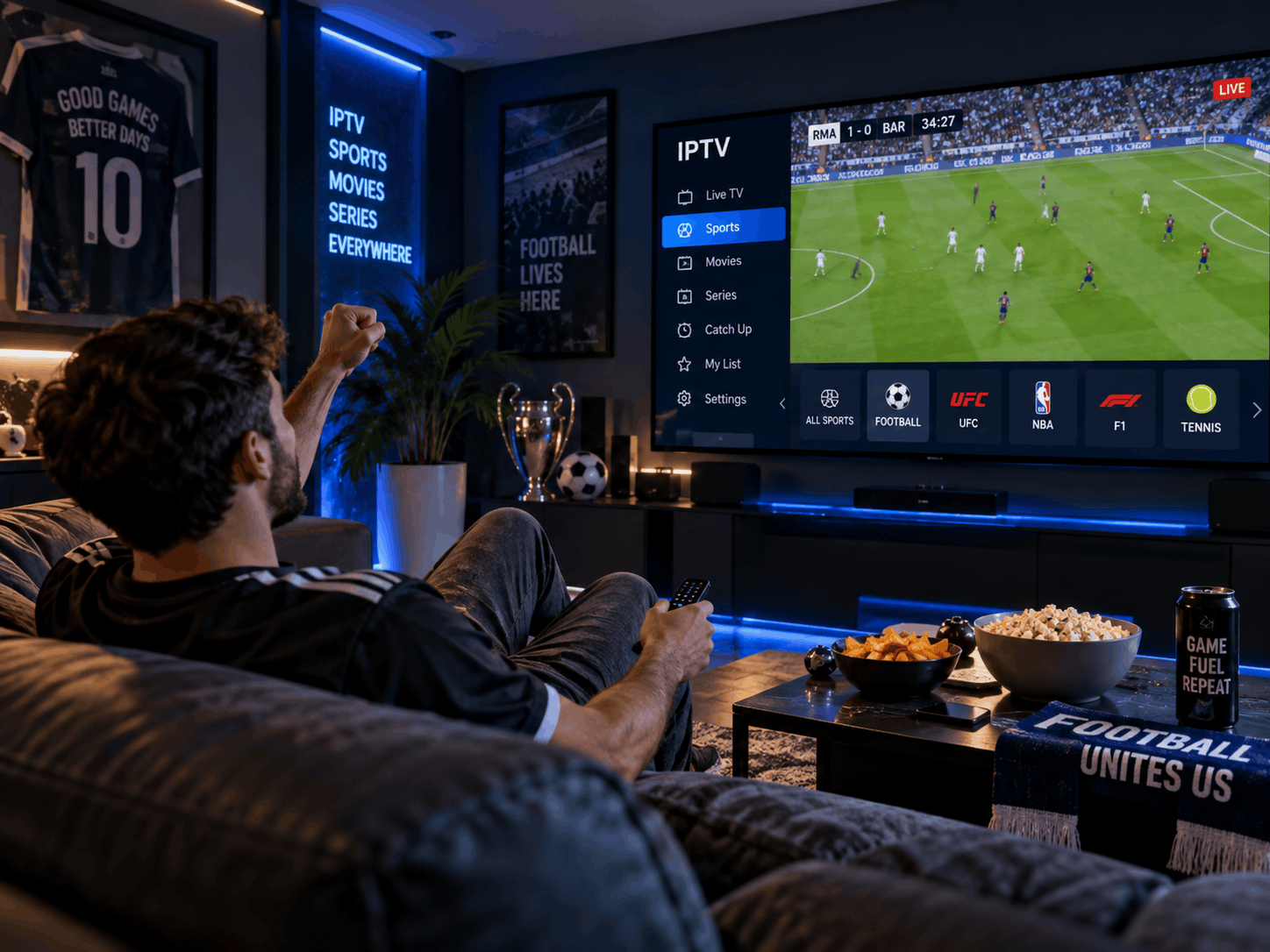
Home entertainment has evolved far beyond traditional television sets and standalone music systems. Today, households can use smart televisions, wireless speakers, voice assistants, and automated lighting to create more convenient and personalized entertainment environments. These technologies allow different parts of a home entertainment setup to work together, making everyday activities easier to manage.
Smart home technology is changing not only how people access entertainment but also how they interact with it. Instead of controlling every device separately, users can often manage multiple functions through a smartphone, voice command, or centralized application. As these systems become more accessible, they are influencing how households watch television, listen to music, play games, and enjoy digital content.
The Rise of Connected Home Entertainment
One of the biggest changes in modern entertainment is the ability to connect different technologies within a single home network. Smart televisions can communicate with wireless speakers, streaming boxes, mobile phones, and other compatible products. This creates a more integrated experience than traditional entertainment setups could offer.
The growing use of connected devices allows household members to control entertainment through different interfaces without relying on separate remote controls for every function. For example, a smartphone may be used to select a program, adjust the volume, or send music to a compatible speaker. The convenience depends on device compatibility, network quality, and the applications being used.
As more products support common wireless standards and smart home platforms, integrating entertainment equipment is becoming easier. However, users should still check compatibility before purchasing new devices to avoid unnecessary setup difficulties.
Smart TVs and Flexible Content Access
Smart televisions have become central to many modern entertainment systems. Unlike conventional televisions, they provide access to internet-based applications, streaming services, digital media libraries, and other online features directly through the screen.
This reduces the need for several external devices and gives viewers more flexibility when choosing what to watch. Many smart TVs also support screen mirroring or casting, allowing users to display photos, videos, and other content from compatible smartphones or computers.
Software updates can introduce new features and improve application performance over time. However, television owners should pay attention to device support periods and available storage, as older models may eventually struggle with newer applications.
Voice Assistants Make Entertainment Easier to Control
Voice assistants have introduced another convenient way to interact with home entertainment systems. Rather than searching through menus or typing program titles, users can issue spoken commands to compatible televisions and smart speakers.
Depending on the system, voice commands may help users search for movies, pause playback, change volume levels, or control connected lighting. This can be especially useful when someone is relaxing across the room and does not want to reach for a remote control.
Voice control also offers practical benefits for people who find traditional remote interfaces difficult to navigate. Nevertheless, the accuracy of voice recognition can depend on background noise, microphone quality, language support, and internet access.
Smart Lighting Creates a Better Viewing Atmosphere
Lighting plays an important role in the overall entertainment experience. Bright overhead lights may be suitable for everyday activities, but a different atmosphere can make movie nights or gaming sessions more comfortable.
Smart lighting systems allow users to adjust brightness, change colors, and create preset scenes through applications or voice commands. Some compatible systems can also respond to schedules or entertainment-related triggers.
For example, a household might create a movie setting that dims selected lights when viewing begins. Gaming environments can use different lighting preferences to complement the screen. These features are optional, but they demonstrate how automation can make entertainment spaces more adaptable.
Wireless Audio and Multi-Room Listening
Audio technology has also benefited from smart home integration. Wireless speakers and soundbars can connect to televisions, smartphones, and other compatible equipment without requiring complicated cable arrangements.
Some systems support multi-room audio, allowing users to play the same music in different areas or select separate content for individual rooms. This can be useful during gatherings, everyday household activities, or personal listening sessions.
Before choosing a wireless audio system, it is important to check supported connection methods, sound quality, room size, and compatibility with existing equipment. A system designed for a small bedroom may not provide the same performance in a large living area.
Home Automation and Personalized Entertainment
Smart home automation can bring several entertainment functions together through preset routines. Instead of adjusting each device manually, users may create a routine that activates selected equipment with a single command.
A movie-night routine, for instance, could turn on a television, adjust compatible lights, and activate a sound system. Other routines might prepare a room for music playback or switch off entertainment equipment at a chosen time.
Personalization makes these features useful for households with different schedules and preferences. However, routines should be kept simple enough to manage easily. Complicated automation rules can sometimes create confusion when devices are disconnected or software settings change.
Privacy and Security in Smart Entertainment Systems
As home entertainment equipment becomes more connected, privacy and security deserve greater attention. Smart televisions, speakers, and voice assistants may collect information to provide recommendations, recognize commands, or improve their services.
Users should review privacy settings and understand what information their devices collect. Changing default passwords, installing official software updates, and securing the home Wi-Fi network can also help reduce potential risks.
It is sensible to purchase products from reputable manufacturers that provide clear privacy information and ongoing security support. Regularly reviewing connected accounts and application permissions can further improve control over a smart home environment.
Conclusion
Smart home technology is transforming modern entertainment by bringing televisions, audio systems, lighting, and voice controls into a more connected environment. These developments offer greater convenience, flexible content access, and opportunities to personalize everyday viewing and listening experiences.
Although compatibility, privacy, and network reliability remain important considerations, households do not need to automate everything at once. Starting with a few useful products and expanding gradually can create a practical entertainment setup that adapts to changing needs.

 English
 Arabic
 French
 Portuguese
 Deutsch
 Turkish
 Dutch
 Italiano
 Russian
 Romaian
 Portuguese (Brazil)
 Greek