


How Does Professional Glass Care Help Preserve Clarity and Appearance?
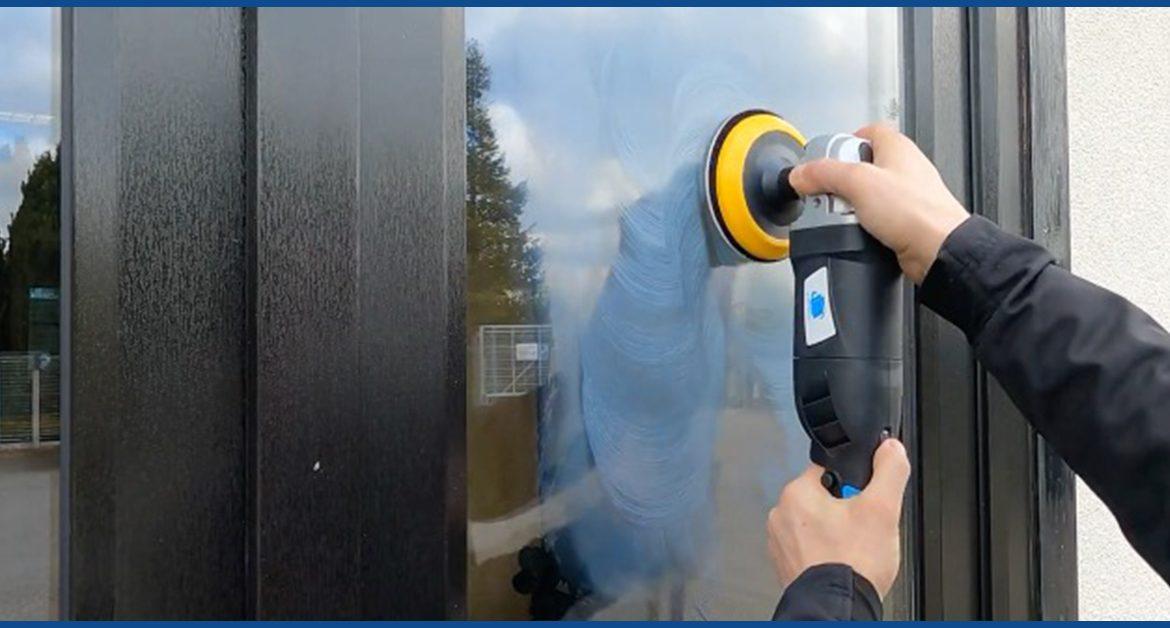
Glass is widely used in residential and commercial spaces because it allows natural light to enter while creating a clean, open appearance. Windows, doors, mirrors, tabletops, storefronts, and decorative panels all depend on clear surfaces to maintain their visual appeal. However, everyday use, environmental exposure, and improper cleaning can gradually affect the condition of glass.
Dust, mineral deposits, fingerprints, and fine surface marks can make glass appear dull even when it is structurally sound. Suitable glass surface restoration and professional glass polishing techniques may help improve certain imperfections, depending on the material and condition of the affected area. Knowing how different types of surface damage develop can help property owners choose appropriate maintenance practices.
What Makes Glass Lose Its Original Clarity?
Glass may appear less transparent for several reasons. Some problems involve material deposited on the surface, while others result from physical changes to the glass itself. Identifying the difference is important because ordinary cleaning cannot correct every type of imperfection.
Common causes of reduced clarity include:
-
Mineral deposits: Water containing dissolved minerals can leave spots and cloudy residue after evaporation.
-
Dust and airborne particles: Fine debris can accumulate on windows and other exposed surfaces.
-
Fingerprints and oils: Frequent contact leaves marks that become more visible under certain lighting.
-
Surface scratches: Abrasive cleaning tools and accidental contact can create fine lines.
-
Chemical residue: Unsuitable cleaning products may leave streaks or affect certain glass finishes.
-
Weather exposure: Rain, humidity, and environmental contaminants can gradually affect exterior glass.
The location of a glass panel often influences how quickly these problems develop. Exterior windows may collect more environmental residue, while interior glass surfaces may experience frequent fingerprints and contact.
How Does Polishing Differ From Ordinary Cleaning?
Cleaning and polishing are related but serve different purposes. Cleaning removes dirt, oils, and other substances that sit on the glass surface. Polishing is a specialized process that may improve certain surface imperfections when the glass material and damage condition make treatment appropriate.
A standard glass cleaner can remove fingerprints and loose residue, but it cannot necessarily correct scratches or surface deterioration. Polishing methods require suitable materials and careful assessment because excessive treatment can create additional marks or uneven areas.
It is also important to recognize that not every cloudy surface needs polishing. Mineral deposits, damaged coatings, and scratches can look similar from a distance but require different approaches. A proper inspection helps identify the actual cause before any treatment is selected.
Which Glass Surfaces Can Develop Visible Imperfections?
Different glass installations experience different forms of wear. Their location, frequency of use, and exposure to outdoor conditions influence their maintenance needs.
Windows: Exterior windows collect dust, rain residue, and airborne particles. Large glass panels may show streaks and marks more clearly because they reflect a wider area of light.
Shower enclosures: Regular contact with water can leave mineral deposits and soap residue. These materials may gradually reduce transparency if cleaning is inconsistent.
Glass doors: Doors receive frequent handling, which can result in fingerprints, smudges, and occasional scratches.
Storefronts: Commercial glass is exposed to weather, public activity, and frequent cleaning. Maintaining clear surfaces can help preserve the appearance of the property.
Mirrors and tabletops: These surfaces may develop fingerprints, cleaning streaks, and fine marks through regular use.
Although these installations share similar material characteristics, their maintenance requirements may differ. Cleaning products and treatment methods should always be suitable for the particular surface.
Why Does the Cleaning Method Matter?
The tools and products used during cleaning can influence the long-term condition of glass. A rough cloth or dirty sponge may drag small particles across the surface, creating fine scratches. Excessive pressure can also make existing imperfections more noticeable.
A careful cleaning routine should begin by removing loose dust and debris. A clean microfiber cloth and a suitable glass-cleaning solution can then be used to remove ordinary residue. For larger panels, working in manageable sections helps prevent streaks and makes it easier to identify remaining deposits.
Some glass installations have protective coatings or specialized finishes. These surfaces may require specific cleaning instructions. Using strong chemicals or abrasive products without checking compatibility can damage the finish and affect its appearance.
What Factors Should Be Considered Before Polishing?
Polishing is not suitable for every glass problem. The condition of the surface, the type of glass, and the depth of any damage should be considered before treatment begins.
Important factors include:
-
Surface condition: Determine whether the issue involves dirt, mineral buildup, scratches, or coating damage.
-
Scratch depth: Fine surface marks may be more suitable for treatment than deep grooves.
-
Glass composition: Tempered, laminated, and coated glass may have different treatment requirements.
-
Affected area: A small isolated mark presents a different challenge from widespread surface deterioration.
-
Location: Glass near edges, corners, or existing cracks requires additional care.
-
Desired result: Treatment may improve appearance without necessarily returning a damaged surface to its original condition.
A careful assessment helps avoid unsuitable methods and unnecessary work.
When Is Professional Polishing Worth Considering?
Some glass imperfections remain visible after ordinary cleaning because they involve the surface rather than removable dirt. In these situations, a more specialized approach may be appropriate.
Glass polishing services in Miami, FL may be considered when windows, doors, storefronts, or other glass installations show persistent surface marks or reduced clarity. The suitable method depends on the type of glass, the extent of the imperfections, and whether the problem is caused by scratches, mineral deposits, or another form of deterioration.
Not every mark can be completely removed through polishing. Deep scratches, cracks, and damaged coatings may require different solutions. Evaluating the surface before treatment helps establish realistic expectations and reduces the possibility of additional damage.
How Does Miami's Environment Affect Glass Maintenance?
Miami's coastal climate creates several conditions that can influence glass maintenance. Humidity, frequent rain, strong sunlight, and airborne particles can contribute to residue accumulation on exterior surfaces.
Salt carried through coastal air may also settle on exposed glass. If deposits remain for long periods, they can become more difficult to remove through ordinary cleaning. Buildings near busy roads may experience additional dust and environmental buildup.
A suitable maintenance schedule should consider the property's location and the type of glass installation. Exterior windows may need more frequent cleaning than interior partitions, while shower enclosures may require regular attention to water spots and soap residue.
What Habits Help Keep Glass Clear for Longer?
Consistent care can reduce the accumulation of dirt and help prevent avoidable surface wear. Property owners can follow several practical habits:
-
Remove loose dust before wiping glass.
-
Use clean microfiber cloths rather than rough cleaning materials.
-
Choose products designed for the specific glass surface.
-
Avoid excessive pressure during cleaning.
-
Address water spots and residue before they become difficult to remove.
-
Inspect glass periodically for scratches, chips, and cracks.
-
Follow manufacturer guidance for coated or specialized glass.
For commercial buildings, scheduled maintenance can help identify recurring problems and keep large glass installations in suitable condition.
Conclusion
Clear glass depends on more than occasional cleaning. Environmental exposure, surface damage, and unsuitable maintenance methods can gradually affect its appearance. Understanding the source of each problem helps determine whether cleaning, polishing, or another form of treatment is appropriate. Regular care and careful inspection can help preserve glass clarity over time.

 English
 Arabic
 French
 Spanish
 Portuguese
 Deutsch
 Turkish
 Dutch
 Russian
 Romaian
 Portuguese (Brazil)
 Greek