


Searching for an African Hair Braiding Salon Near You? Here's What Makes a Great Braider
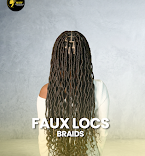
Finding a good hair braider can feel like a bigger challenge than choosing your next hairstyle. You scroll through beautiful pictures, save a few inspiration photos, and finally find someone whose work looks promising. But there is one question worth asking before you book: Can this braider give your hair the attention and care it deserves?
Beautiful braids should look good, feel comfortable, and suit your natural hair. Whether you want classic box braids, lightweight knotless braids, or another protective style, choosing the right professional makes a real difference.
So, what separates an average braider from a great one? It comes down to more than appearance. Experience, technique, communication, and proper hair care all matter.
1. Experience and Skill Make a Difference in African Hair Braiding
A talented braider understands that every head of hair is different. Hair length, thickness, texture, and condition can all influence how a particular style should be installed.
An experienced professional does not simply repeat the same technique for every client. They consider your hair's needs before recommending a style, braid size, or extension method.
When researching an African hair braiding salon near you, take time to examine the stylist's previous work. Look for:
-
Consistent braid sizes and clean partings.
-
Smooth, well-finished braid roots.
-
Even tension throughout the hairstyle.
-
Neat finishing without excessive loose strands.
-
Different styles that demonstrate versatility.
A beautiful photograph is a good starting point, but consistent results across multiple clients tell you much more.
2. A Great Braider Knows the Difference Between Box Braids and Knotless Braids
Not every braided hairstyle offers the same appearance or installation experience. A knowledgeable braider should explain your options instead of automatically recommending their most popular service.
Why Box Braids Remain a Popular Choice
Box braids are created using square-shaped sections of natural hair, with extensions added to create individual braids. They offer a classic appearance and plenty of styling flexibility.
You can wear them loose, pull them into a ponytail, or create an elegant updo for a special occasion.
However, the size, length, extension weight, and installation tension should suit your natural hair. Longer and heavier braids are not automatically better.
When Should You Consider Knotless Braids?
Knotless braids use a feed-in technique where extension hair is gradually incorporated into your natural hair instead of being secured with a traditional knot at the root.
This creates a flatter starting point and can make the style feel more comfortable for some people.
Knotless braids are worth considering if you prefer a more natural-looking finish or want less initial bulk around your roots. However, proper technique still matters. Even knotless braids can cause discomfort if installed too tightly or made too heavy.
A skilled braider should explain both options and help you choose based on your hair condition, preferred appearance, and lifestyle.
3. Healthy Braiding Starts With the Right Amount of Tension
Here is something many people overlook: tighter braids do not necessarily mean better braids.
You might love the neat appearance of freshly installed braids, but excessive tension can cause scalp discomfort and put unnecessary stress on your edges.
A professional braider should pay attention to how your scalp responds throughout the appointment. You should feel comfortable speaking up if something hurts or feels too tight.
Look for a stylist who:
-
Avoids pulling excessively around the hairline.
-
Uses suitable sections for your hair density.
-
Distributes extension weight appropriately.
-
Listens when you mention discomfort.
-
Does not treat pain as a normal part of the process.
Protective styling should support your hair-care routine, not create another problem to manage.
4. The Quality of Braiding Hair Matters Too
Even excellent braiding technique needs suitable materials. The type and quality of braiding hair can influence the final appearance, weight, texture, and overall comfort of your hairstyle.
Before your appointment, ask whether the salon provides extensions or expects you to bring your own.
It is also worth discussing:
-
The recommended extension type.
-
The colour that best matches your preference.
-
The amount of hair needed.
-
Whether the extensions are lightweight.
-
Any preparation required before installation.
Do not assume that more extension hair will create a better result. Excessive weight can make a hairstyle uncomfortable, especially when your natural hair is delicate.
A knowledgeable braider will help you choose materials that complement your desired look without ignoring your hair's needs.
5. Communication Is a Sign of a Professional Braider
Have you ever shown someone a hairstyle picture and received something completely different? It happens more often than people admit.
A good consultation helps prevent that disappointment.
Before starting, your braider should discuss your reference pictures, preferred braid size, length, colour, and any concerns about your natural hair.
They should also explain the expected appointment duration and pricing. Small details matter because a full head of small braids can take considerably longer than larger sections.
Bring two or three reference photos rather than relying on descriptions such as "medium length" or "not too small." What seems medium to you might mean something different to your stylist.
Clear communication makes the entire experience easier for everyone.
6. Cleanliness and Salon Environment Should Never Be Ignored
A beautiful hairstyle should not distract you from the environment where it is created.
Pay attention to the salon's overall cleanliness and how the braider handles tools, workstations, and hair products.
A professional environment should demonstrate care and organization. Clean working surfaces, properly maintained tools, and fresh preparation between clients are important details.
You should also feel comfortable asking questions about the salon's hygiene practices. A responsible professional will understand why these things matter.
7. Check Reviews and Real Customer Experiences Before Booking
Online reviews can help you understand what an appointment might actually be like.
Instead of looking only at the overall rating, read comments that describe specific experiences. Look for feedback about communication, punctuality, comfort, hairstyle consistency, and customer service.
Photographs and videos can also help you evaluate a braider's work. Pay attention to close-up images of the roots, partings, and finished ends rather than relying entirely on heavily edited pictures.
A useful approach is to compare several recent examples. One impressive hairstyle does not necessarily represent the quality of every appointment.
8. Ask These Questions Before Choosing a Hair Braiding Salon
If you are comparing different salons, a few simple questions can help you make a more confident decision.
-
Do you have recent examples of the hairstyle I want?
-
Which braid size would work best for my hair?
-
Do you provide braiding hair, or should I bring my own?
-
How long will the appointment take?
-
What is included in the quoted price?
-
How should I prepare my natural hair?
-
What aftercare do you recommend?
You do not need to turn your appointment into a job interview. These questions simply help you understand what to expect.
A good braider should be willing to explain their process without making you feel uncomfortable for asking.
Frequently Asked Questions
How do I choose a good African hair braiding salon near me?
Check the braider's portfolio, customer reviews, communication, cleanliness, and experience with your preferred hairstyle. Ask about pricing, appointment duration, and hair preparation before booking.
Are knotless braids better than box braids?
Neither style is automatically better for everyone. Knotless braids begin without a traditional knot at the root, while traditional box braids use a different installation method. Your hair condition, desired appearance, extension weight, and preferred technique should guide your decision.
How long do box braids usually last?
Wear time depends on braid size, installation technique, natural hair growth, and maintenance. Rather than keeping braids installed for as long as possible, follow your stylist's aftercare advice and remove them when your hair or scalp needs attention.
Should I bring my own braiding hair?
That depends on the salon. Some braiders provide extensions, while others ask clients to purchase specific types beforehand. Confirm the requirements before your appointment.
Should braids feel tight after installation?
Braids should feel secure but should not cause significant pain or persistent pulling. If you experience discomfort, speak with your braider and have excessive tension addressed.
Final Thoughts: Beautiful Braids Begin With the Right Braider
Choosing an African hair braiding salon should involve more than finding the lowest price or the most attractive hairstyle on social media.
Look for someone who understands different hair types, uses proper techniques, communicates clearly, and respects your comfort. Whether you choose traditional box braids or modern knotless braids, the quality of the installation matters just as much as the finished appearance.
Remember, the best braider is not necessarily the person who finishes the fastest or creates the tightest braids. It is the professional who takes the time to understand your hair and deliver a style that makes you feel confident without compromising comfort.
Because great braids should turn heads for the right reasons, not leave your scalp wishing you had chosen differently.

 English
 Arabic
 French
 Spanish
 Portuguese
 Deutsch
 Turkish
 Dutch
 Italiano
 Russian
 Romaian
 Greek