


What Are the Best Supplements for Men's Health and Nutritional Balance?
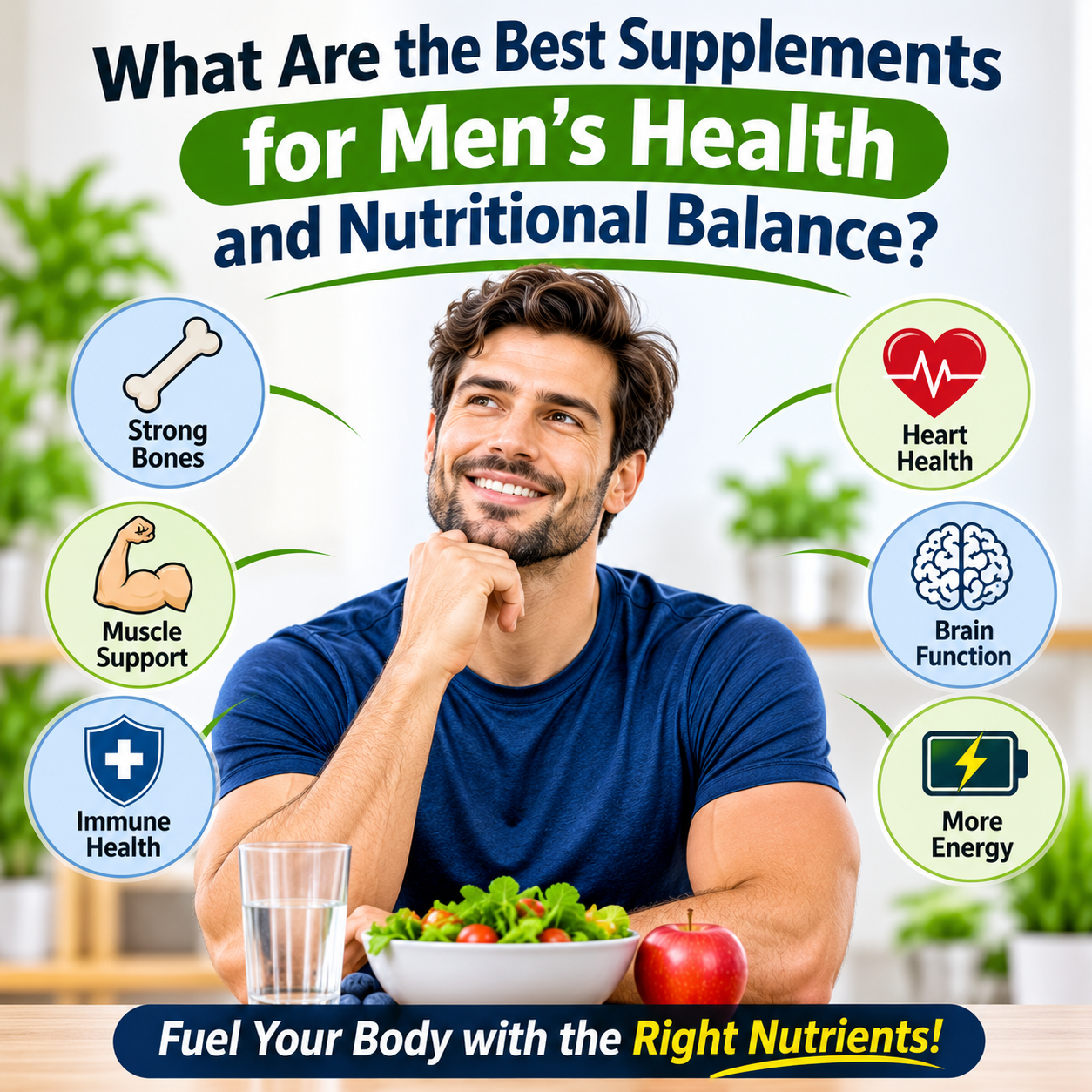
Men need a varied mix of vitamins, minerals, healthy fats, protein and fibre to support energy, muscle function, heart health, immunity and healthy ageing. Understanding what best supplements mens health may involve starts with a simple principle: supplements are useful when they fill a genuine nutritional gap, not when they promise instant vitality or replace healthy habits.
There is no single capsule that suits every man. Age, diet, activity, medications, health conditions and laboratory results all influence nutritional needs. A balanced eating pattern should remain the foundation, while carefully selected supplements can help address specific shortfalls. This guide explains common options, what the evidence says and how to choose products safely.
Why Nutritional Balance Matters for Men
Nutritional needs change throughout adulthood. Younger men may focus on supporting training, recovery and general wellbeing, while older men may need to pay closer attention to bone strength, muscle maintenance and adequate vitamin B12 intake. Men who avoid animal foods, eat very little, follow restrictive diets or have digestive conditions may also be at risk of particular deficiencies.
Food provides nutrients alongside fibre and beneficial plant compounds. Vegetables, fruit, beans, whole grains, nuts, seeds, fish, eggs and suitable dairy create a stronger foundation. Supplements can complement this pattern when intake is inadequate or a clinician identifies a deficiency.
Vitamin D for Bones and Muscle Function
Vitamin D helps the body absorb calcium and supports normal bone and muscle function. Low levels can occur with limited sun exposure, older age, certain digestive conditions or diets containing few sources.
A supplement may be appropriate when a blood test, risk factors or local clinical guidance indicate insufficient intake. Avoid taking high doses simply because vitamin D is popular. Excessive intake can raise blood calcium and cause harm. A healthcare professional can advise whether testing is useful and what dose is suitable. Vitamin D should be viewed as support for normal physiology, not a proven cure for fatigue, low mood or chronic disease.
Omega-3 Fatty Acids for Heart and Brain Health
Omega-3 fats include EPA and DHA, found mainly in oily fish, and ALA, found in foods such as flaxseed, chia seeds and walnuts. They are part of cell membranes and play roles in normal body functions. Eating fish regularly can be a practical way to obtain EPA and DHA while also providing protein and other nutrients.
Fish oil supplements may be considered by people who rarely eat fish, but they are not essential for everyone and should not be treated as a substitute for heart medication. Evidence differs by population and dose, and routine supplementation has not consistently prevented major cardiovascular events in generally healthy adults. Men taking anticoagulants or medicines affecting bleeding should ask a clinician before using concentrated omega-3 products. Discuss prescription-strength products separately from ordinary over-the-counter supplements.
Magnesium for Muscles, Nerves and Energy Metabolism
Magnesium contributes to hundreds of processes, including normal muscle and nerve function, protein synthesis and energy metabolism. Good food sources include pumpkin seeds, almonds, beans, whole grains and leafy green vegetables. Men whose diets contain few of these foods may have difficulty meeting their needs.
Zinc for Immune Function and Reproductive Health
Zinc supports immune function, wound healing, DNA synthesis and normal reproductive processes. Meat, shellfish, dairy, beans, nuts and whole grains contribute zinc. People eating plant-based diets may need extra attention because some plant foods contain compounds that reduce zinc absorption. Choosing what best supplements mens health requires starts with checking dietary intake.
Vitamin B12 for Blood Cells and Nerve Health
Vitamin B12 is needed for healthy red blood cell formation and normal nervous system function. It occurs naturally in animal foods such as fish, meat, eggs and dairy. Vegans need a reliable fortified food or supplement source, while some older adults and people taking certain medicines or living with digestive disorders may absorb B12 less efficiently.
A deficiency can cause tiredness, weakness, numbness, balance problems and changes in memory or concentration. These symptoms have many possible causes, so taking B12 without assessment may delay the correct diagnosis. A clinician can use medical history and blood tests to decide whether supplementation is needed. When deficiency is confirmed, the appropriate dose and form depend on its cause and severity.
Protein and Creatine for Strength and Healthy Ageing
Protein supplies amino acids needed to maintain and repair muscle and other tissues. Most men can meet their needs through foods such as fish, poultry, eggs, dairy, tofu, lentils and beans. People who train intensely, have higher requirements or struggle to eat enough may find a protein powder convenient, but it is simply a food supplement rather than a necessity.
Calcium for Strong Bones
Calcium is essential for bones, teeth, muscle contraction and nerve signalling. Men can obtain it from milk, yoghurt, cheese, calcium-set tofu, some leafy vegetables and fortified plant drinks. A supplement may be useful when food intake is consistently low or a clinician recommends it because of bone-health risks.
Food-first planning is sensible because excessive supplemental calcium may cause constipation and can be unsuitable for some people with kidney stones or particular medical conditions. Calcium can also interfere with the absorption of certain medicines, including some thyroid treatments and antibiotics, if taken too close together. Ask a pharmacist about spacing. Vitamin D supports calcium absorption, but large doses are not a shortcut to stronger bones. Consider what best supplements mens health requires with professional guidance.
Multivitamins: A Backup, Not a Foundation
A basic multivitamin may help cover small dietary gaps for someone whose food choices are limited. However, it cannot compensate for a diet low in vegetables, fruit, whole grains and protein. Research has not shown that multivitamins reliably extend life or prevent major chronic diseases in the general population. This practical distinction helps clarify what best supplements mens health can reasonably achieve.
Check the label for duplicated ingredients and megadoses. Many adult men do not need extra iron unless a deficiency or medical reason has been identified; excess iron can be harmful. If you eat a varied diet and have no diagnosed deficiency, you may not need a multivitamin.
Herbal Products and Men's Wellness Claims
Herbal products are often marketed for stamina, prostate comfort, testosterone, fertility and sexual performance. Marketing language can sound persuasive, but evidence varies greatly between ingredients and conditions. Some products have not been adequately studied, and certain supplements sold for sexual enhancement have been found to contain hidden drug ingredients. Natural does not automatically mean safe.
Before buying a botanical formula, check the complete ingredient list, dose, warnings and manufacturer details. Discuss it with a qualified healthcare professional if you take prescription medicines, have a chronic condition or are preparing for surgery. Do not stop prescribed treatment to try an herbal product. A responsible approach to what best supplements mens health means evaluating the intended benefit, quality of evidence and possible harm rather than trusting a bold label.
Understanding Testicular Pain and Inflammation
Testicular or scrotal pain should never be self-diagnosed as a nutritional problem. Epididymitis is inflammation of the epididymis, the coiled tube behind the testicle, and it is often caused by a bacterial infection. Symptoms can include pain, tenderness, warmth, swelling, urinary discomfort or discharge. A healthcare professional may recommend examination and urine or sexual health tests to identify the cause.
People searching for Herbal Remedies for Epididymitis should understand that herbs have not been established as a treatment for the infection. When bacterial epididymitis is suspected, prompt medical assessment and appropriate antibiotics may be necessary. Supportive measures such as rest, a wrapped cold pack and supportive underwear may ease discomfort while following clinical advice. Sudden, severe testicular pain is an emergency because testicular torsion can cause similar symptoms and needs immediate treatment.
Why Prompt Medical Care Matters
Delaying care for scrotal swelling or pain can allow an infection to worsen or obscure another condition. Treatment depends on the cause, which may involve a sexually transmitted infection or urinary bacteria. If a sexually transmitted infection is identified or suspected, partners may also need testing and treatment, and sexual activity should be avoided until treatment guidance has been followed.
The phrase Natural Treatment for Epididymitis is sometimes used online to describe home remedies, but home care cannot reliably eliminate a bacterial infection. Complete the prescribed course if antibiotics are given, even if symptoms improve, and return for reassessment if symptoms do not begin improving within the timeframe advised by the clinician. Seek urgent care for sudden severe pain, fever with significant illness or rapidly increasing swelling. Supplements should never delay diagnosis or replace prescribed treatment.
How to Choose a Safe, Suitable Supplement
Start by identifying the reason for taking a product. Is your diet missing a food group? Has a clinician diagnosed a deficiency? Are you following a vegan diet, recovering from illness or taking medication that affects nutrient absorption? A clear reason makes it easier to select one appropriate product rather than buying several overlapping formulas.
Read the Supplement Facts or nutrition panel carefully. Check the amount per serving, serving size, active ingredients, allergens, expiry date and warnings. Prefer products from manufacturers that provide transparent quality information and independent testing where available. Certification can help verify identity and manufacturing quality, but it does not prove that a supplement treats a disease or works for every person.
Avoid products promising rapid muscle growth, dramatic testosterone increases, guaranteed fertility, instant energy or cures for prostate and sexual problems. Be cautious with proprietary blends that hide individual ingredient amounts. Keep supplements in their original containers and tell your doctor and pharmacist what you use, including powders, teas and herbal preparations.
Food, Exercise and Sleep Still Come First
A supplement routine works best alongside everyday habits. Build meals around vegetables, fruit, whole grains, legumes, nuts, seeds and suitable protein sources. Choose unsaturated fats more often, limit highly processed foods and keep salt intake moderate. Drink water regularly, adjusting intake for heat, activity and medical advice.
Strength training helps maintain muscle and bone, while aerobic activity supports cardiovascular fitness. Aim for a consistent routine that suits your ability and health status. Sleep is equally important: many adults function best with seven to nine hours each night. Avoid smoking, limit alcohol and seek help for persistent stress or low mood.
Building a Personal Supplement Plan
A practical plan begins with a food and medication review. Record what you usually eat, note dietary restrictions and list all medicines and supplements. A doctor or registered dietitian can decide whether symptoms or risk factors justify laboratory testing. Tests should be selected for a clinical reason rather than ordered as an indiscriminate panel.
If a deficiency is confirmed, agree on the nutrient, dose, duration and follow-up plan. Use one change at a time when possible so that benefits or side effects are easier to identify. Reassess whether the supplement remains necessary after dietary changes or treatment. Store products away from children and never exceed the label or clinician's instructions.
For readers comparing options from Herbal Care Products, the same standards apply: review ingredients, avoid disease-cure claims and discuss possible interactions with a healthcare professional. A brand name alone cannot establish safety, effectiveness or suitability. Look for clear product information and make decisions based on your individual needs, not promotional promises.
Final Thoughts
The best supplement plan is personal, modest and evidence-informed. Vitamin D, omega-3s, magnesium, zinc, B12, calcium, protein and creatine may have a role in particular circumstances, but none is essential for every man. A varied diet, regular movement, restorative sleep and preventive healthcare remain the foundation of good health.
Ultimately, what best supplements mens health depends on nutritional intake, age, lifestyle, medical history and confirmed needs. Ask a qualified professional before starting a new product, especially if you take medication or have an ongoing condition. Choose supplements to fill a real gap, monitor their value and avoid promises that sound too good to be true.

 Arabic
 French
 Spanish
 Portuguese
 Deutsch
 Turkish
 Dutch
 Italiano
 Russian
 Romaian
 Portuguese (Brazil)
 Greek