


How to Plan a Custom Pop Up Banner for Any Event
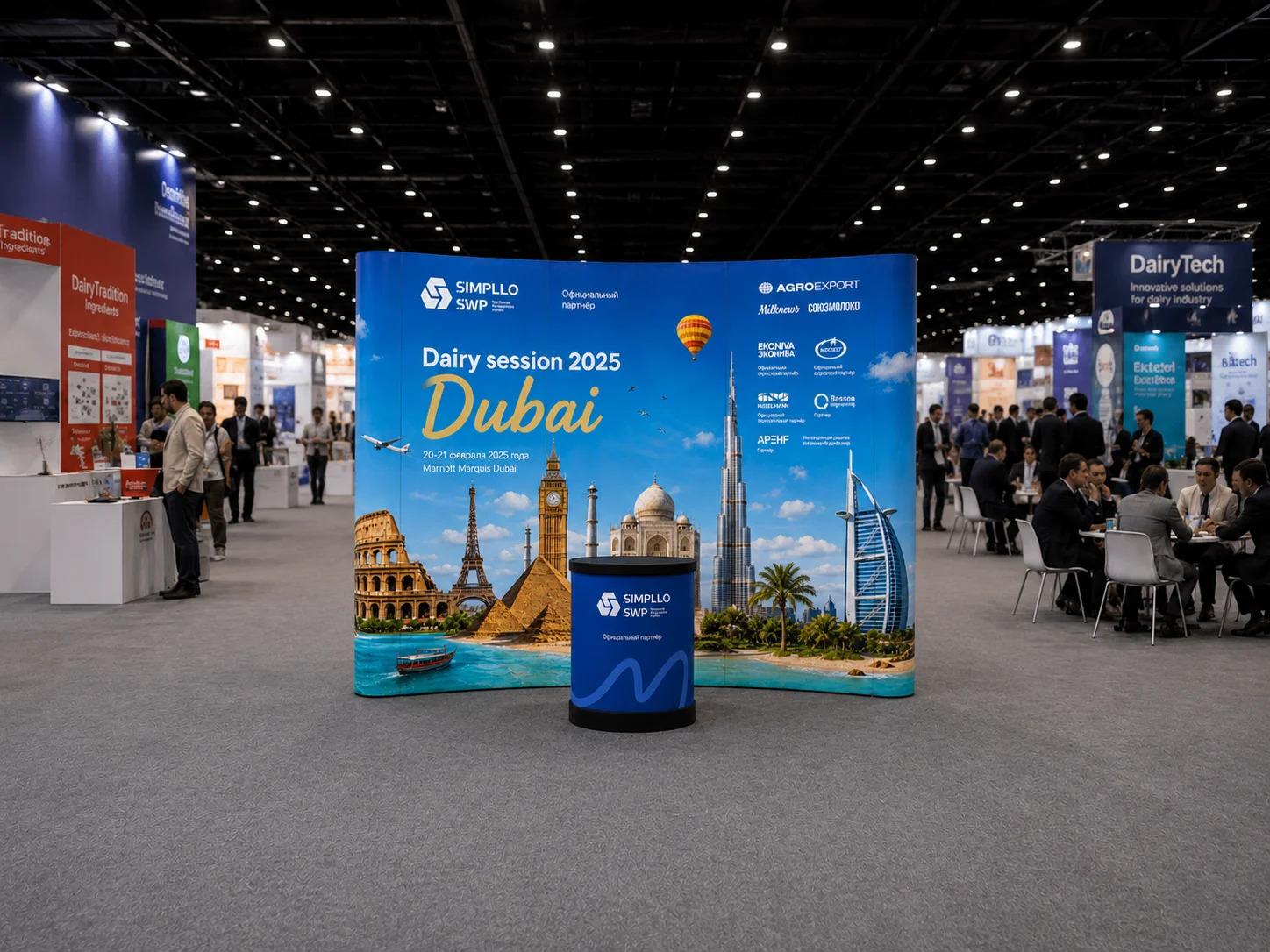
A banner is often one of the first things visitors notice when they enter an exhibition, conference, retail space, or public event. Its purpose is to communicate information clearly while fitting naturally into the surrounding environment. A custom pop up banner gives organisers the freedom to choose the design, size, colours, images, and printed message according to their needs. Unlike a standard display with a fixed layout, a customised banner can be prepared for a particular audience or occasion. However, getting good results requires careful planning, from selecting the frame and material to preparing the artwork and deciding where the display will be placed.
1. Understanding How a Custom Pop Up Banner Works
A custom pop up banner is a portable display that combines a printed graphic with a supporting structure. The frame holds the printed surface in position, allowing the information to be presented vertically or across a wider display area. Depending on the design, the structure may be straight, curved, or made from a folding frame system.
These banners are commonly used at trade shows, product launches, conferences, shopping centres, educational events, and indoor exhibitions. Their main purpose is to make information visible without requiring a permanent installation.
For example, a company attending a technology exhibition may use a banner to introduce its latest product. A school organising an open day might display course information, while a retailer could use one to explain a seasonal collection.
Main Components of the Display
Most pop-up banner systems contain a few basic parts:
-
Printed graphic: The visible surface that carries text, images, and other information.
-
Frame or support structure: Holds the graphic in the correct position.
-
Base or feet: Provides support and helps the display remain stable.
-
Connectors and fittings: Join different parts of the structure.
-
Carrying case: Protects the components during storage and transportation.
The exact construction varies between models. Before choosing a display, it is useful to understand how its parts connect and whether the printed graphic can be replaced separately.
2. Selecting the Right Size and Display Style
The size of a banner should match the available space and the distance from which visitors will view it. A display that looks suitable in a small room may become difficult to notice in a large exhibition hall. Similarly, an oversized banner can create problems when the event area has limited floor space.
Before ordering, measure the intended position and consider the height of nearby furniture, counters, and other displays. It is also important to leave enough room for visitors to walk around comfortably.
Straight and Curved Designs
Straight banners have a flat display surface. They are useful when the banner needs to stand against a wall or behind a reception counter. Their simple layout also makes it easier to arrange headings, photographs, and supporting information.
Curved designs have a shaped front surface that creates a different visual effect. They are often used as part of exhibition backgrounds or larger display arrangements. The curved structure may provide a wider visual presence, depending on its dimensions.
Choosing Dimensions for Different Events
A small indoor meeting may require a compact banner that presents only a heading and a few details. A large trade exhibition may need a wider display with photographs and several information sections.
For instance, an organiser at a career fair could place a narrow banner beside an information desk. At a product exhibition, a wider display might be used behind a demonstration table to create a clear background.
The best dimensions are not necessarily the largest available. They are the dimensions that allow the message to remain readable while fitting the venue.
3. Choosing Materials for the Printed Graphic
The material affects the appearance, weight, durability, and maintenance requirements of a banner. Some materials are better suited to frequent transportation, while others may be selected for their surface finish or printing characteristics.
Fabric Graphics
Fabric is commonly used for indoor displays because it can provide a smooth printed surface and is generally easy to fold or transport, depending on the product. It may also produce less glare than some glossy materials under strong indoor lighting.
Fabric graphics can be useful for exhibitions where the same display is used at several events. However, they should be packed carefully to avoid creases and stored in a clean, dry place.
Vinyl Graphics
Vinyl is another material used for printed banners. It can reproduce strong colours and is available in different thicknesses and finishes. Some vinyl graphics are coated or laminated to provide additional surface protection.
Its suitability depends on the intended environment. A material designed for indoor use should not automatically be assumed to be suitable for prolonged outdoor exposure. Sunlight, moisture, wind, and temperature changes can affect printed surfaces over time.
What to Check Before Selecting a Material
Before making a decision, consider:
-
How often the banner will be transported.
-
Whether it will be used indoors or outdoors.
-
How much light will fall on the printed surface.
-
Whether the material can be cleaned easily.
-
How the graphic is attached to the frame.
-
Whether replacement graphics are available.
Comparing these details can help avoid choosing a material that does not suit the actual conditions of use.
4. Creating a Clear and Effective Banner Design
A banner needs to communicate its message quickly. Visitors at exhibitions often move between several stands, so they may only have a few seconds to look at an individual display. A simple layout makes it easier to understand the main subject without requiring close reading.
The most important information should receive the greatest visual attention. A large heading can introduce the topic, while a relevant photograph or illustration provides context. Smaller text can then explain essential details.
Use a Simple Visual Hierarchy
Visual hierarchy refers to the way information is arranged according to importance. A typical layout may include:
-
A clear main heading.
-
One strong image or visual element.
-
A short explanation or supporting message.
-
Contact details or other necessary information.
For example, a banner for a furniture exhibition might show a photograph of a chair, followed by a heading about its design and a few details about its materials. A long paragraph describing every feature would be harder to read from a distance.
Select Suitable Fonts and Colours
Simple fonts are generally easier to read on large printed surfaces. Decorative fonts can be used for small design details, but they should not make important information difficult to recognise.
Colour contrast also matters. Dark text on a light background or light text on a dark background can improve readability. However, using too many colours may make the display look crowded.
Avoid Overloading the Layout
Every image or line of text should have a clear purpose. If several messages compete for attention, visitors may struggle to identify the main subject. Keeping enough empty space around important elements can make the design look more organised.
5. Preparing Artwork and Checking Print Quality
The quality of the final display depends partly on how the artwork is prepared. A design that looks clear on a computer screen may become blurry when enlarged if the original images have low resolution.
Before printing, the artwork should be checked against the required dimensions and production guidelines. Important text and logos should be positioned away from the edges, seams, and areas where the graphic attaches to the frame.
Resolution and Colour Settings
Photographs and illustrations need sufficient resolution for the final print size. Images copied from small website previews may not contain enough detail for a large banner.
Colour settings should also be checked because colours can look different on a screen and on printed material. A digital proof can help identify noticeable differences before the production process begins.
Proofreading Before Printing
Spelling errors, incorrect telephone numbers, and outdated website addresses can make a display less useful. A final review should include:
-
All headings and written information.
-
Contact details and website addresses.
-
Logo placement and image quality.
-
Colour consistency.
-
Overall dimensions and alignment.
-
Important content near the edges.
A second person can review the artwork before approval. Fresh eyes may notice errors that the designer has overlooked.
6. Where Pop Up Banners Are Commonly Used
Portable banners can be used in different settings because they do not usually require permanent fixtures. Their design can be adjusted according to the type of event and the information visitors need.
Trade Shows and Exhibitions
At exhibitions, banners can introduce a business, explain a product category, or provide information about a service. A display behind a reception counter may help visitors identify a stand, while another banner can focus on a particular product.
For example, a company displaying home appliances could use one banner to introduce the product range and another to explain the features of a specific appliance.
When planning an exhibition space, organisers should make sure that the display does not block walkways, entrances, or neighbouring stands.
Retail Stores and Shopping Centres
Retailers may use banners to present new collections, seasonal information, store directions, or product details. A clothing shop, for example, could place a display near its entrance to introduce a new range.
In shopping centres, the placement should follow venue rules and allow enough room for customers to move safely.
Conferences and Educational Events
Conference organisers can use banners to show event names, session information, speaker details, or room directions. Schools and universities may also use them during open days, career fairs, and student exhibitions.
A university department could display information about available courses near its registration desk. This helps visitors find relevant details without needing to ask staff for every piece of information.
Community Events and Product Launches
At community events, banners may show activity schedules, identify different areas, or provide instructions. During a product launch, the display can introduce the item and highlight a few important features.
The design should suit the audience. A professional conference may require a restrained layout, while a family event could use brighter colours and more illustrative elements.
7. Benefits of Using a Customised Display
A customised display can provide practical advantages when its structure and design are selected carefully.
Flexible design: The graphic can be prepared for a particular event, subject, or audience. This allows the information to match the purpose of the display.
Portable construction: Many pop-up systems are designed to be moved between locations. A carrying case can make it easier to transport the frame and printed material.
Convenient installation: Some systems use folding frames or simple connectors, which can reduce the time needed for assembly. The exact setup process depends on the model.
Efficient use of space: A vertical display can present information without occupying as much floor area as some larger exhibition structures.
Replaceable graphics: Certain systems allow the printed surface to be changed while the frame is reused. This can be useful when event details change or an existing graphic becomes outdated.
When comparing suppliers and display formats in the UAE, people researching options may come across references such as Pop Up Stands Dubai. Regardless of the supplier, it is sensible to compare material specifications, frame construction, dimensions, and printing details before placing an order.
8. Maintenance, Storage, and Transportation
Proper care can help a banner remain in good condition over repeated uses. Although many portable display systems are designed for travel, careless handling can damage the printed surface or supporting structure.
After an event, check whether the graphic needs cleaning before packing. Dust and light marks should be removed according to the material manufacturer's instructions. If the display has become damp, allow it to dry fully before placing it in a carrying case.
Safe Storage Practices
A few simple habits can help reduce wear:
-
Keep the printed surface away from sharp objects.
-
Store fabric graphics without unnecessary pressure or folding.
-
Place frame components in their designated case.
-
Avoid storing the display in damp areas.
-
Keep heavy objects away from the printed material.
-
Check connectors and frame sections before the next use.
During transportation, make sure that the components are secured properly. Loose parts can rub against one another and cause scratches or other damage.
Checking the Frame Before Reuse
Before assembling the display, inspect its connectors, support feet, and frame sections. If a part is bent or damaged, it may affect stability. Following the manufacturer's assembly instructions can reduce the risk of incorrect fitting.
9. Common Mistakes to Avoid When Ordering
Several problems can be avoided by checking the requirements before production begins. One common mistake is selecting a banner based only on its appearance in a product photograph. The image may not show its actual weight, material thickness, frame design, or assembled dimensions.
Another mistake is choosing a display that is too large for the venue. This can make installation difficult and may reduce the space available for visitors.
Overcomplicated artwork is also a frequent issue. Too many photographs, headings, and paragraphs can make the banner confusing. A clear main message with a few supporting details is usually easier to understand.
Final Checks Before Placing an Order
Before confirming a purchase, review the following points:
-
Measure the available display area.
-
Confirm the required height, width, and shape.
-
Check the printed material and its intended use.
-
Ask about the frame's construction and stability.
-
Review the artwork dimensions and resolution.
-
Confirm the setup and packing instructions.
-
Check whether replacement graphics or spare parts are available.
It is also useful to request clear specifications and a final artwork proof. These details provide a better understanding of what will be delivered and help prevent misunderstandings.
Conclusion: Making the Right Banner Choices
A successful banner depends on more than an attractive design. Its size, material, frame, printing quality, and placement all affect how well it serves its purpose. By considering the event environment and the needs of the intended audience, organisers can select a display that communicates information clearly and fits the available space. Careful artwork preparation and proper storage can also help maintain its appearance over time. Whether used at a trade show, retail location, conference, or community event, a well-planned display can make information easier to notice and understand.

 English
 Arabic
 French
 Spanish
 Portuguese
 Deutsch
 Turkish
 Dutch
 Russian
 Romaian
 Portuguese (Brazil)
 Greek