


Pharmaceutical Licensing for Individual Pharmacists: Requirements and Renewal Process
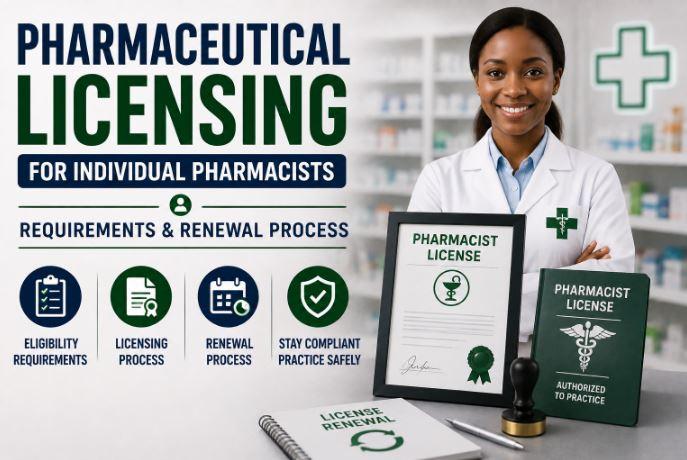
A pharmacist in Addis has been running his pharmacy for years. Business is good. Customers trust him. He's respected in the community. Then he notices something. His pharmacy license. When did it expire?
He checks. Last renewed three years ago. Licenses are three years right? So he's current. But he checks the date more carefully. Actually expired six months ago. He's been operating an unlicensed pharmacy without realizing.
He panics. He rushes to EFDA to renew. But EFDA tells him it's not that simple. His application got lost. He owes late fees. He needs to resubmit documentation. The process takes months, not days.
Now his pharmacy is technically operating illegally. He could face fines. License suspension. Business closure. All because he didn't track renewal dates properly.
This situation happens to many Ethiopian pharmacists. Licensing requirements are clear. But implementation is bureaucratic. Renewals take time. Many pharmacists slip into non-compliance accidentally.
For individual pharmacists in Ethiopia, understanding licensing requirements and managing renewals is essential to staying legal and protecting your business.
Ethiopia's Pharmacist Licensing Framework
EFDA regulates individual pharmacists in Ethiopia.
Pharmacy degree required. To be licensed pharmacist, must have recognized pharmacy degree. Usually Bachelor's degree in pharmacy. Degree from recognized institution. Ethiopian or international recognized.
EFDA registration. After graduation, must register with EFDA. Registration is formal process. Requirements must be met. Registration granted by EFDA.
License distinct from registration. Registration establishes you as pharmacist. License allows you to operate pharmacy. These are different things. Registration is personal. License is for specific premises.
License tied to premises. Pharmacist license tied to specific pharmacy location. You can't work at multiple pharmacies with one license. Each location needs separate license. Each license tied to one pharmacist.
Continuing education required. Maintaining licensure requires continuing education. Hours per year required. CPD credits. Professional development. Staying current mandatory.
Professional ethics code. Pharmacists must adhere to professional ethics. Patient confidentiality. Appropriate dispensing. Professional conduct. Violations can result in license suspension.
Ethiopia's licensing system is fairly structured but requires active management.
License Application Process
Getting initial license requires following process.
Verify pharmacy degree. First step is having recognized pharmacy degree. Degree must be verified by EFDA if international. Credentials evaluation required. Takes time. Plan ahead.
EFDA registration. Register as pharmacist with EFDA. This is prerequisite to operating. Registration application submitted. Documentation reviewed. Registration granted.
Pharmacy premises. Identify where you'll operate pharmacy. Premises must meet standards. Layout appropriate. Security adequate. Storage proper. EFDA has specific requirements.
Premises inspection. EFDA inspects proposed premises. Checks layout. Checks storage conditions. Checks equipment. Checks refrigeration if needed. Inspection approval required.
Detailed application. Submit detailed application to EFDA. Pharmacy details. Your details. Business plan. Operational procedures. Documentation comprehensive.
Documentation submission. Submit supporting documents. Degree certificates. Registration certificate. Proof of premises. Business license. Insurance. Financial information. Complete documentation required.
Application review. EFDA reviews application. Takes weeks. May request additional information. May require clarification. Timeline unpredictable.
License issuance. After approval, license issued. Usually takes 4-8 weeks total. Sometimes faster. Sometimes slower. Patience required.
License cost. License application fee required. Annual license fee required. Cost reasonable. Professional investment.
Initial licensing takes time and effort.
License Components and Requirements
Understanding what's on license and what's required.
License number. Unique identifier for your pharmacy. Shows on all documentation. Official designation.
Pharmacist name. Your name on license. Tie between license and individual.
Premises details. Address and details of pharmacy location. License specific to that location. Can't move without new license.
License validity period. Valid for specific period. Usually three years. Some licenses shorter. Expiry date clearly marked.
Controlled substance authorization. If you'll dispense controlled medicines, specific authorization needed. Separate from basic pharmacy license. Additional requirement.
Schedule medicines authorization. Different schedules require different authorization. Schedule 1-5 medicines. Different restrictions. Proper authorization needed.
Specialty authorizations. If providing specialized services. Compounding services. Vaccine administration. Other specialties. Specific authorization required.
Professional liability insurance. Insurance required. Proof of coverage. Insurance maintained throughout license validity.
CPD compliance. Continuing professional development compliance. Points earned. Documentation maintained. Requirement tracked.
License is comprehensive credential.
Annual Renewal Process
Renewing license annually is important requirement.
Renewal timing. License expires on specific date. Renewal should start weeks before. Not weeks after. Plan ahead. Marking calendar essential.
Renewal application. Submit renewal application. Similar to initial application. Updated information. Any changes documented.
Documentation updated. Provide current documentation. Insurance proof. CPD credits. Any changes. Complete information.
Renewal fee. Annual renewal fee required. Amount varies. Reasonable cost. Budget required.
Processing timeline. Renewal processing takes 2-4 weeks. Sometimes longer. Sometimes faster. Applying early gives buffer.
Renewal approval. After processing, renewal approved. New license issued. With new expiry date.
Three-year renewal. Full license renewal every three years. Not just annual fee. Complete reapplication sometimes required. Requirements reset.
Late penalties. Renewing after expiry incurs penalties. Late fees. May face compliance questions. Best to renew on time.
Annual renewal is essential maintenance task.
Continuing Professional Development
CPD requirement is non-negotiable part of license maintenance.
Annual CPD hours. Pharmacists must complete CPD hours annually. Amount varies. Usually 20-40 hours per year. Requirement mandatory.
Approved CPD activities. CPD must be from approved sources. EFDA-approved programs. Professional conferences. Online courses. Approved providers.
CPD documentation. CPD activities documented. Certificates required. Proof of attendance. Participation verified. Records maintained.
CPD tracking. Tracking CPD credits important. Not submitting documentation means no credit. Documentation is proof. Records essential.
CPD renewal requirement. At license renewal, CPD compliance verified. Have required hours completed. Documentation submitted. Compliance confirmed.
Specialty CPD. If providing specialized services, specific CPD required. Additional to general requirements. Specialization demands expertise.
Online CPD options. Increasingly available. Remote participation. Recorded conferences. Online courses. Flexibility improving.
CPD ensures pharmacist maintains competency.
Common Licensing Mistakes
Pharmacists make predictable licensing errors.
Not tracking expiry date. License expires. Pharmacist doesn't notice. Operating unlicensed. Major compliance issue.
Missing renewal deadline. Knowing expiry but missing deadline. Late renewal. Penalties incurred. Compliance issues.
Incomplete application. Submitting incomplete renewal. Missing documentation. Application rejected. Timeline delays.
Not maintaining insurance. Insurance lapses. Uninsured pharmacy. License at risk. Regulatory violation.
CPD documentation missing. Not keeping CPD records. Can't prove compliance. Renewal delayed. Credential at risk.
Premises changes. Moving pharmacy without license update. Operating at wrong address. License invalid. Serious violation.
Controlled substance registration. Not getting proper authorization for controlled medicines. Dispensing illegally. Major violation.
Specialty services. Providing services without proper authorization. Compounding. Vaccinations. Without license. Illegal operation.
These mistakes are preventable with planning.
Premises and Operational Requirements
Beyond personal licensure, premises must meet standards.
Layout standards. Pharmacy layout must separate patient areas from storage. Counter space adequate. Consultation area available. Professional appearance.
Storage security. Controlled medicines stored securely. Access limited. Audit trail. Theft prevention.
Refrigeration. If storing temperature-sensitive medicines, refrigeration required. Temperature monitoring. Documentation.
Drainage and sanitation. Pharmacy cleanable. Drainage adequate. Pest prevention. Professional standards.
Water supply. Potable water availability. For cleaning. For compounding if applicable. Quality water required.
Lighting and ventilation. Adequate lighting. Proper ventilation. Professional working conditions.
Emergency equipment. Fire extinguisher. First aid kit. Other emergency equipment. Accessibility and readiness.
Premises standards ensure professional operation.
Working with EFDA
Navigating EFDA effectively is important.
Application procedures. Know application procedures. What's required. Timeline. Where to submit. Understanding process helps.
Contact EFDA regularly. Check on application status. Clarify requirements. Understand timeline. Regular contact prevents surprises.
Document everything. Keep copies of all submissions. Keep receipts. Keep approvals. Documentation protects you.
Professional assistance. If process confusing, seek help. Consultant. Lawyer. Professional guidance worth investment.
Plan timeline. Don't wait until last minute. Start renewal process early. Build in buffer time. Timeline pressure creates mistakes.
Stay informed. Know regulation changes. Policy updates. Requirement shifts. Staying informed prevents surprises.
EFDA engagement is ongoing relationship.
The Supplier Relationship Angle
For licensed Ethiopian pharmacists managing operations, supplier relationships matter.
Suppliers providing compliant documentation support your operations. Suppliers respecting your licensing requirements help. Suppliers with professional relationships enable your success.
When Ethiopian pharmacists are managing licensed pharmacy operations, working with exporters who understand pharmacist licensing becomes valuable. Exporters providing complete documentation. Exporters respecting your regulatory status. Exporters supporting professional operations. Resources highlighting reliable pharmaceutical exporters supporting Ethiopian pharmacist-run pharmacies and professional compliance operations can help identify suppliers positioned to support your licensed business.
Moving Forward
For Ethiopian pharmacists managing licensing:
Mark expiry date. Know exactly when license expires. Mark calendar. Set reminders. Months before expiry.
Gather documentation early. Start gathering renewal documents. Insurance. CPD records. Any changes. Documentation ready when needed.
Submit renewal early. Don't wait until last minute. Submit weeks before expiry. Build in processing buffer.
Maintain insurance. Insurance not lapses. Pharmacy not operates without coverage. Continuous protection.
Track CPD credits. Maintain CPD log. Keep certificates. Document activities. CPD proof ready.
Keep EFDA informed. Any changes to pharmacy. Address change. Controlled substance authorization. Notification to EFDA.
Plan three-year renewal. Know full renewal requirements every three years. Start early. Complete thoroughly.
Professional support. If confused about requirements, seek professional help. Cost small compared to licensing problems.
Licensing compliance protects your business and reputation.
That's how professional pharmacists operate and maintain credibility.

 English
 Arabic
 French
 Spanish
 Portuguese
 Deutsch
 Turkish
 Dutch
Dutch
 Italiano
 Russian
 Romaian
 Greek
Greek