


How STEM Toys Encourage Curiosity and Independent Learning
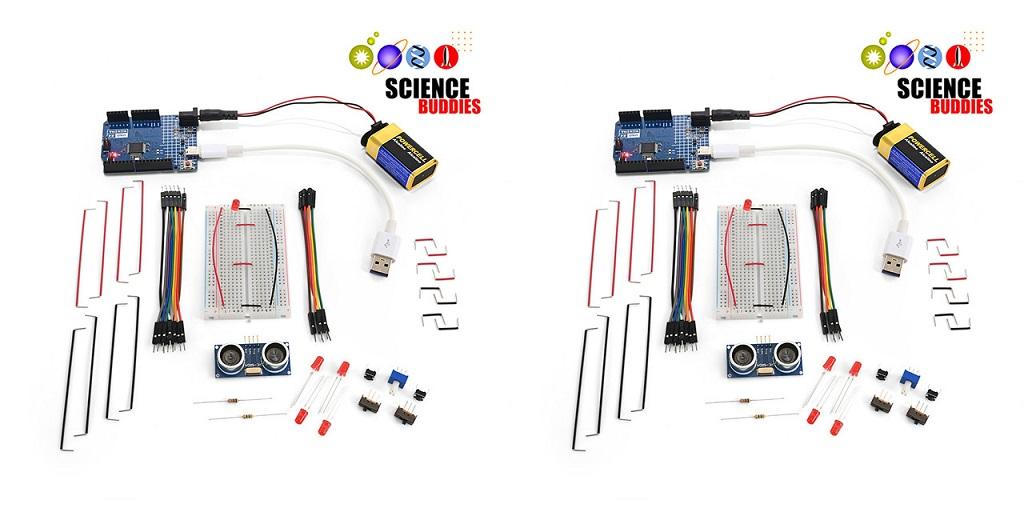
Children learn by asking questions, testing ideas, and exploring the world around them. STEM toys let them turn that curiosity into hands-on discoveries. From building simple structures to experimenting with magnets, these activities introduce science, technology, engineering, and mathematics through play.
Children can make predictions, observe the results, and see how their ideas hold up. As they experiment, they build skills they can apply to schoolwork and everyday situations.
Turning Everyday Questions Into Experiments
Children are naturally curious about how things work. Why does a magnet attract certain objects? How does a paper airplane stay in the air? What makes a tower fall over? Simple experiments let children investigate these questions directly.
For example, a child interested in magnets can test different household objects to see which ones respond to magnetic force. They can record their observations and compare the results. Activities like this introduce scientific investigation while encouraging children to form their own conclusions.
Parents can support the process by asking open-ended questions. What do you think will happen next? Why did that object behave differently? These conversations encourage children to explain their reasoning and consider new possibilities.
Learning Through Trial and Error
Experiments rarely produce the expected result every time. A bridge might collapse under the weight of a toy car, or a homemade paper airplane might travel only a short distance. These outcomes encourage children to examine their methods and try another solution.
Building sets, engineering challenges, and beginner robotics activities make this process interesting. Children might reposition a support, adjust a wheel, or modify a design to improve performance. Each attempt provides new information about what works.
Trial and error also encourages patience. Children learn to approach setbacks as part of the discovery process. With repeated practice, they become more comfortable revising their ideas and tackling unfamiliar problems.
Motivating Children to Explore Their Own Ideas
Independent exploration gives children room to follow their interests. A child fascinated by space might build a model rocket, while another interested in plants could investigate how light affects seed growth. Personal interests provide a natural starting point for scientific questions.
STEM activities can fit multiple ages and skill levels. Younger children might sort objects by shape, build simple towers, or explore water movement. Older children may enjoy coding basic instructions, constructing electrical circuits, or testing more complex engineering designs.
Allowing children to make decisions keeps them actively involved. Adults can provide materials, explain safety rules, and give guidance when needed. Children benefit from having time to experiment, make predictions, and discover answers independently.
Making Room for Discovery at Home
You don’t need a dedicated laboratory to explore science. A small table and basic materials support activities that develop observation and reasoning skills. Paper, cardboard, measuring cups, building blocks, and household objects can all become part of an experiment.
You can also encourage children to keep a science notebook. They might draw their designs, write predictions, or record what happened each time. Looking back at earlier observations helps them observe patterns and see how their ideas change.
Educational toys add further possibilities with structured experiments, construction challenges, and age-appropriate scientific tools. The most engaging activities invite children to ask questions and make discoveries at their own pace.
Supporting a Lifelong Interest in Science
Curiosity grows when children have regular opportunities to investigate their surroundings. Hands-on activities introduce scientific concepts while strengthening observation, reasoning, creativity, and problem-solving skills. These experiences also build children's confidence as they explore unfamiliar subjects.
For families looking for new ideas, Home Science Tools offers educational science supplies and resources for hands-on learning at home. Explore the available materials to find activities that match your child’s interests and encourage further discovery.
For more information about Telescope For Kids and Earth Science Curriculum Please visit: Home Science Tools.

 English
 Arabic
 Spanish
 Portuguese
 Deutsch
 Turkish
 Dutch
 Italiano
 Russian
 Romaian
 Portuguese (Brazil)
 Greek