


How Do You Pack a Suitcase Like a Pro?
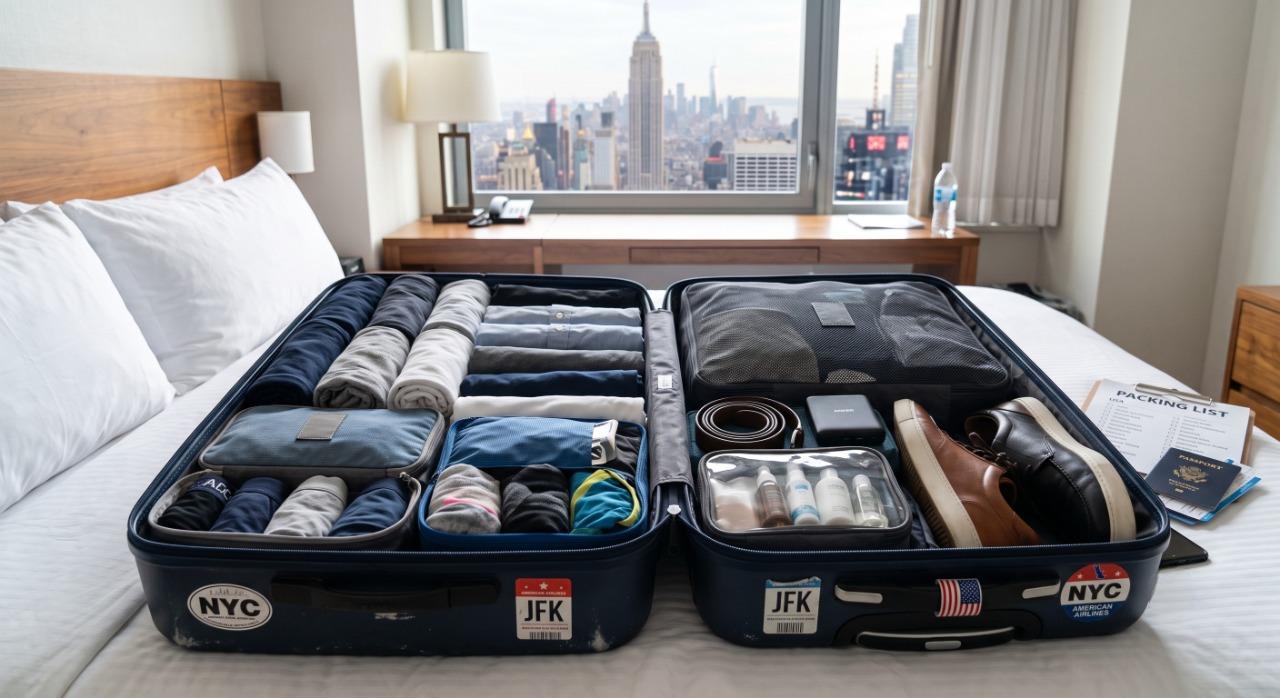
Packing a backpack may seem simple at first glance, but anyone who has traveled with an overloaded or poorly organized bag knows otherwise. Whether you're preparing for a weekend getaway, a business trip, a hiking adventure, or international travel, knowing how to pack a suitcase and a backpack efficiently can make the entire journey more comfortable and stress-free.
At My Good Movers, we understand that smart packing isn't just about fitting everything inside your bag. It's about protecting your belongings, saving valuable space, reducing weight, and making every item easy to access when you need it.
Professional travelers follow a system. They don't simply toss clothes into a backpack and hope for the best. Instead, they carefully organize every compartment, balance the weight correctly, and prioritize essential items. This method keeps the backpack comfortable to carry while preventing damage to fragile belongings.
Another important benefit of packing like a professional is reducing travel stress. Imagine arriving at your destination without wrinkled clothes, crushed electronics, or hours spent searching for your passport. Proper organization allows you to spend less time unpacking and more time enjoying your trip.
Many travelers think buying a larger backpack solves packing problems. Surprisingly, experienced travelers often prefer medium-sized backpacks because they encourage smarter packing decisions. Carrying only what you truly need also reduces airline baggage fees and physical strain during travel.
Learning how to pack a suitcase effectively also improves backpack organization because many of the same principles apply:
- Pack heavier items close to your back.
- Keep frequently used items within easy reach.
- Use every available space efficiently.
- Protect fragile items with soft clothing.
- Separate clean and dirty laundry.
These habits quickly become second nature.
Professional packing also involves planning before placing the first item into your bag. Make a checklist several days before departure. Review your itinerary, expected weather conditions, planned activities, and transportation methods. Doing so prevents overpacking while ensuring you don't forget essentials.
A simple packing checklist might include:
| Category | Examples |
|---|---|
| Clothing | Shirts, pants, underwear, socks |
| Toiletries | Toothbrush, toothpaste, shampoo, deodorant |
| Electronics | Phone charger, power bank, headphones |
| Documents | Passport, tickets, insurance |
| Health | Prescription medication, first aid kit |
| Miscellaneous | Water bottle, snacks, sunglasses |
Organization is equally important after arriving. A neatly packed backpack makes unpacking effortless and helps you maintain order throughout your trip.
The principles shared by My Good Movers are based on practical experience and proven travel techniques. Whether you're traveling across town or across the world, proper preparation leads to smoother, safer, and more enjoyable journeys.
In the following sections, you'll discover how professionals select the right backpack, organize every layer, maximize storage space, and avoid the most common packing mistakes that travelers make.
Why Smart Packing Matters
Many people underestimate the importance of smart packing until they experience sore shoulders, broken souvenirs, misplaced passports, or overweight luggage fees. Efficient packing is about much more than saving space—it directly impacts your comfort, safety, convenience, and overall travel experience.
Professional travelers understand that every inch inside a backpack serves a purpose. Instead of stuffing random items wherever they fit, they assign a logical place to every belonging. This organization saves valuable time at airport security, hotel check-ins, and during daily travel.
One major advantage of smart packing is better weight distribution. When heavier objects are positioned correctly, your body carries the load more naturally. This reduces pressure on your shoulders, neck, and lower back.
Here are several benefits of organized packing:
- Better balance while walking
- Less strain on your spine
- Faster airport security checks
- Easier access to important belongings
- Reduced wrinkles in clothing
- Better protection for electronics
- Lower chance of forgetting important items
Another overlooked benefit is emergency preparedness. If your passport, wallet, medication, or phone charger has a dedicated location, you won't waste valuable time searching for them during stressful situations.
Smart packing also saves money. Travelers who master how to pack a suitcase and backpacks efficiently often avoid checked baggage fees by traveling with carry-on luggage only. Airlines continue to tighten baggage restrictions, making efficient packing more valuable than ever.
Packing cubes have become one of the most recommended travel accessories for this reason. They separate clothing into organized categories while compressing items to create additional storage space.
For example:
| Packing Cube | Contents |
|---|---|
| Cube 1 | Shirts |
| Cube 2 | Pants and shorts |
| Cube 3 | Underwear and socks |
| Cube 4 | Electronics and cables |
Color-coded cubes make finding specific items even faster.
Weather preparation is another critical factor. Packing layers instead of bulky clothing gives you greater flexibility without consuming extra space. Lightweight jackets, moisture-wicking shirts, and compact rain gear often outperform heavy coats during travel.
Security should also influence your packing strategy. Keep valuables like passports, credit cards, and cash in hidden compartments or anti-theft pockets. Never store all important documents in one location. Splitting them into separate compartments reduces risk if one pocket becomes inaccessible or misplaced.
Experienced travelers also recommend carrying one complete change of clothes in your carry-on if checking additional luggage. Delayed baggage can happen unexpectedly, and having fresh clothes available makes a significant difference.
At My Good Movers, we encourage travelers to think beyond simply filling their bags. Strategic packing creates a smoother travel experience from departure to arrival.
In the next section, we'll explore how choosing the right backpack can dramatically improve organization, comfort, and packing efficiency.
Choosing the Right Backpack
Before you master packing techniques, you need the right backpack. Even the best packing strategy won't help if your bag is uncomfortable, too small, or poorly designed. At My Good Movers, we've seen that choosing the right backpack is one of the biggest factors in making travel easier.
A quality backpack should match your travel style, trip length, and physical comfort. Whether you're traveling for business, studying abroad, hiking, or taking a family vacation, the backpack you choose should support your needs without becoming a burden.
Unlike fashion backpacks, travel backpacks are designed to distribute weight evenly. They include padded shoulder straps, adjustable chest and waist belts, multiple compartments, and durable materials that withstand frequent use.
Backpack Sizes Explained
Backpacks are usually measured in liters. Choosing the correct size prevents overpacking and helps you stay within airline carry-on limits.
| Backpack Size | Best For | Trip Length |
|---|---|---|
| 20–30 Liters | Day trips, commuting | 1–2 days |
| 30–40 Liters | Weekend travel | 2–4 days |
| 40–50 Liters | Business or vacation | 5–7 days |
| 50–70 Liters | Extended travel | 1–3 weeks |
| 70+ Liters | Camping and expeditions | Long-term travel |
For most travelers, a backpack between 35 and 45 liters offers the best balance between capacity and portability. It's large enough for clothing, toiletries, electronics, and travel essentials while remaining comfortable to carry.
If you're flying, always check your airline's carry-on dimensions before purchasing a backpack. A bag that fits airline requirements can save you from unexpected baggage fees.
Features to Look For
Not all backpacks are created equal. Here are the features professionals recommend:
1. Comfortable Shoulder Straps
Wide, padded straps reduce pressure and make carrying heavy loads much easier. Thin straps can dig into your shoulders after just a short walk.
2. Adjustable Hip Belt
A hip belt transfers much of the backpack's weight from your shoulders to your hips. This feature is especially valuable for longer trips.
3. Multiple Compartments
Separate compartments help organize clothing, electronics, toiletries, and travel documents.
Useful compartments include:
- Laptop sleeve
- Shoe compartment
- Water bottle pocket
- Hidden passport pocket
- Front quick-access pocket
- Internal mesh organizers
4. Water-Resistant Material
Unexpected rain can quickly ruin clothing, documents, or electronics. Water-resistant fabrics add valuable protection.
5. Lockable Zippers
Lockable zipper pulls improve security, especially in crowded airports, train stations, and tourist destinations.
6. Breathable Back Panel
A ventilated back panel reduces sweat and improves comfort during long walks.
7. Compression Straps
Compression straps tighten the backpack after packing, preventing items from shifting while traveling.
Essential Packing Principles
Professional travelers follow a few simple rules that dramatically improve organization and comfort. These techniques work whether you're learning how to pack a suitcase or preparing a travel backpack.
The Heavy-to-Light Rule
One of the biggest mistakes beginners make is placing heavy items at the front of the backpack.
Instead, keep heavy objects as close to your back as possible.
Examples include:
- Laptop
- Camera equipment
- Shoes
- Toiletry bag
- Books
Keeping heavy items near your back improves balance and reduces strain on your shoulders.
A recommended layout looks like this:
| Backpack Area | Best Items |
|---|---|
| Closest to your back | Laptop, shoes, heavy gear |
| Middle | Folded clothing, packing cubes |
| Outer section | Light jackets, towels |
| Top | Snacks, wallet, travel documents |
| Side pockets | Water bottle, umbrella |
Rolling vs. Folding Clothes
Travelers continue debating whether rolling or folding is better.
The truth is that each method has advantages.
Rolling Clothes
Rolling works well for:
- T-shirts
- Jeans
- Athletic wear
- Shorts
- Pajamas
Benefits include:
- Saves space
- Reduces wrinkles
- Easier organization
- Better visibility
Folding Clothes
Folding is ideal for:
- Dress shirts
- Blazers
- Sweaters
- Formal clothing
- Delicate fabrics
Many experienced travelers combine both methods for maximum efficiency.
Use Packing Cubes
Packing cubes have become one of the most popular travel accessories because they simplify organization.
Instead of one large pile of clothing, you create several organized sections.
Example:
| Cube | Contents |
|---|---|
| Blue | Shirts |
| Black | Pants |
| Gray | Underwear |
| Green | Sleepwear |
| Red | Gym clothes |
Packing cubes also make unpacking much faster. Simply remove each cube and place it in a hotel drawer.
Fill Empty Spaces
Professional packers never waste available space.
Use empty areas inside:
- Shoes
- Hats
- Water bottles (if empty)
- Corners of the backpack
These small spaces are perfect for:
- Socks
- Charging cables
- Jewelry
- Belts
- Small toiletries
Keep Liquids Separate
Toiletries should always stay together inside a waterproof pouch.
This prevents accidental spills from damaging clothing or electronics.
Travel-sized containers also save valuable space while meeting airline security regulations.
Organize by Frequency of Use
Think about what you'll need during your journey.
Items used often should remain easy to access.
Examples include:
- Passport
- Boarding pass
- Phone charger
- Power bank
- Headphones
- Water bottle
- Snacks
- Sunglasses
There's no reason to unpack your entire backpack just to find your passport at airport security.
Limit "Just in Case" Items
Overpacking usually happens because travelers bring too many items they never use.
Ask yourself:
- Will I realistically wear this?
- Can I buy it if needed?
- Does it serve more than one purpose?
Multi-purpose items reduce both weight and clutter.
For example:
- A lightweight jacket works as a pillow.
- Hiking shoes double as walking shoes.
- A microfiber towel dries quickly and packs small.
- A scarf can serve as a blanket, pillow, or head covering.
These simple decisions create extra room without sacrificing comfort.
By following these principles from My Good Movers, you'll notice that your backpack feels lighter, stays organized, and makes every stage of your journey more enjoyable.
Step-by-Step Guide to Packing Your Backpack Like a Professional
Now that you've chosen the right backpack and understand the basic packing principles, it's time to put everything together. Professional travelers don't pack randomly—they follow a logical system that maximizes space, protects valuable items, and keeps essentials within easy reach.
Whether you're heading on a weekend getaway or a month-long adventure, this method from My Good Movers will help you pack efficiently. Many of these same techniques also apply when learning how to pack a suitcase, making them useful for nearly every type of travel.
Step 1: Lay Out Everything First
Before placing a single item into your backpack, gather everything you'll need.
Spread your belongings on a bed or large table and sort them into categories such as:
- Clothing
- Shoes
- Toiletries
- Electronics
- Travel documents
- Medications
- Accessories
Seeing everything at once makes it easier to remove unnecessary items before you start packing.
Step 2: Start with the Bottom Layer
The bottom of your backpack should hold items you won't need until you reach your destination.
These typically include:
- Extra shoes
- Sleepwear
- Folded towel
- Heavy jacket (if not wearing it)
- Spare clothing
Placing these items at the bottom creates a stable foundation for everything above.
Step 3: Build the Middle Layer
The middle section is the core of your backpack.
Place your heaviest belongings close to your back, including:
- Laptop
- Camera
- Toiletry bag
- Packing cubes
- Books
This arrangement keeps the backpack balanced and easier to carry over long distances.
Step 4: Pack the Top Layer
The top compartment should contain items you'll need throughout your journey.
Examples include:
- Travel wallet
- Passport
- Boarding pass
- Snacks
- Light sweater
- Sunglasses
- Reusable water bottle
- Phone charger
Easy access means you won't need to unpack your bag every time you stop.
Step 5: Use Every Pocket Wisely
Modern travel backpacks include several specialized compartments.
Here's one effective way to use them:
| Recommended Items | |
|---|---|
| Front Pocket | Notebook, pens, tissues |
| Side Pocket | Water bottle, umbrella |
| Hidden Pocket | Passport, emergency cash |
| Laptop Sleeve | Laptop or tablet |
| Small Mesh Pocket | Chargers, earbuds, USB drives |
Giving every item a permanent location saves time throughout your trip.
Step 6: Secure Loose Items
Loose objects move around while walking, creating discomfort and making your backpack feel heavier.
Prevent this by:
- Tightening compression straps
- Using zippered pouches
- Wrapping charging cables neatly
- Keeping toiletries inside waterproof bags
A secure backpack also protects fragile items from damage.
Step 7: Perform a Final Check
Before leaving home, ask yourself:
- Is the weight evenly distributed?
- Can I comfortably carry the backpack?
- Are valuables secure?
- Are travel documents easy to access?
- Have I packed only what I'll actually use?
This final review often helps eliminate unnecessary items.
Common Packing Mistakes to Avoid
Even experienced travelers occasionally make packing mistakes. Fortunately, most of them are easy to avoid once you know what to watch for.
1. Overpacking
One of the most common mistakes is bringing too much.
People often pack clothing for "what if" situations that never happen.
Instead:
- Pack versatile outfits.
- Choose neutral colors that mix easily.
- Plan to do laundry on longer trips.
2. Ignoring Weight Distribution
Putting all heavy items in the front of your backpack creates unnecessary strain on your shoulders and back.
Always keep heavy belongings close to your spine.
3. Forgetting Important Documents
Many travelers accidentally pack passports, boarding passes, or identification deep inside their bags.
Keep these items in a secure but easily accessible pocket.
4. Carrying Too Many Shoes
Shoes consume valuable space.
A good rule is:
- One pair you're wearing.
- One spare pair.
Unless your trip requires specialized footwear, additional shoes usually aren't necessary.
5. Packing Full-Size Toiletries
Large bottles take up space and add unnecessary weight.
Travel-sized containers are:
- Lighter
- TSA-friendly
- Easier to organize
6. Not Protecting Electronics
Electronics should never be tossed loosely into your backpack.
Use:
- Padded sleeves
- Protective cases
- Cable organizers
This reduces the risk of scratches and impact damage.
7. Leaving Empty Space
Unused space means wasted storage.
Fill gaps with:
- Socks
- Belts
- Charging cables
- Small accessories
Even shoes can serve as storage compartments.
8. Packing Without a Checklist
A checklist dramatically reduces the chances of forgetting important items.
Create categories such as:
- Clothing
- Toiletries
- Electronics
- Documents
- Health supplies
Cross off each item as you pack.
Frequently Asked Questions
1. What is the best way to pack a backpack for travel?
The best approach is to place heavy items near your back, lighter items toward the outside, and frequently used belongings at the top or in quick-access pockets. Using packing cubes also keeps everything organized.
2. Is rolling clothes better than folding?
Rolling works well for casual clothing because it saves space and reduces wrinkles. Folding is generally better for formal wear and delicate fabrics. Many travelers use a combination of both methods.
3. How can I make more room in my backpack?
Use compression straps, packing cubes, travel-sized toiletries, and fill empty spaces inside shoes with socks or accessories. Avoid packing items "just in case" unless they're truly essential.
4. What size backpack is best for a one-week trip?
A backpack between 40 and 50 liters is suitable for most one-week trips. It provides enough space while remaining manageable and often qualifies as carry-on luggage, depending on airline restrictions.
5. Should electronics go at the top or bottom of the backpack?
Electronics such as laptops and tablets should be stored in padded compartments close to your back. This placement offers better protection and improves weight distribution.
6. Can these packing methods also help with how to pack a suitcase?
Absolutely. Many of the same techniques—such as using packing cubes, rolling clothes, organizing by frequency of use, and separating toiletries—are effective when learning how to pack a suitcase as well.
Conclusion
Packing a backpack like a professional is less about fitting more into your bag and more about packing with purpose. By choosing the right backpack, organizing items by weight and frequency of use, and following proven techniques, you can travel more comfortably and confidently.
At My Good Movers, we believe that smart packing is an essential part of every successful journey. Whether you're preparing for a short weekend trip, a business meeting, or a long international adventure, applying these strategies will save you time, reduce stress, and help protect your belongings.
Remember that learning how to pack a suitcase and a backpack efficiently is a skill that improves with practice. The more intentional you are about what you bring and where you place it, the easier every trip becomes.

 English
 French
 Spanish
 Portuguese
 Deutsch
 Turkish
 Dutch
Dutch
 Italiano
 Russian
 Romaian
 Portuguese (Brazil)
 Greek
Greek