


Are Your Door Locks Still Doing Their Job? A Homeowner's Guide to Better Lock Security
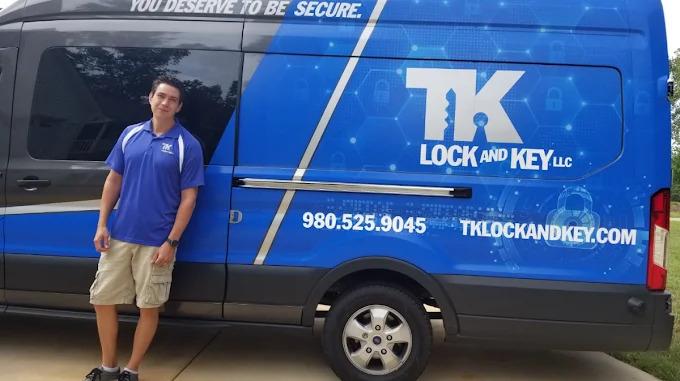
Imagine coming home after a long day, putting your key into the front door, and realizing the lock has become difficult to turn. You jiggle the key, push the door a little harder, and eventually get inside. Problem solved, right?
Not necessarily.
A lock that sticks, a deadbolt that no longer lines up, or a key that turns inconsistently can be a sign that something needs attention. Many homeowners overlook these small problems until the door refuses to lock or they find themselves standing outside.
Your door locks are among the most frequently used parts of your home, yet they rarely receive much attention until something goes wrong.
The good news? You don't need to replace every lock in your house to improve security. You need to understand what to look for, which problems deserve attention, and when professional help makes sense.
Why Your Door Locks Deserve More Attention
A sturdy door is only part of your home's security. The lock, door frame, strike plate, and hinges all contribute to how well the entrance holds up against unwanted entry.
Even a quality lock can become unreliable through everyday use, poor installation, or damage. A door that has shifted slightly may also prevent the deadbolt from engaging properly.
Start by checking the doors you use most often, especially the front door, back door, and any entrance leading directly into your home from a garage.
Ask yourself three simple questions:
-
Does the key turn smoothly without excessive force?
-
Does the deadbolt extend fully when the door is closed?
-
Does the door close and latch securely without lifting, pushing, or pulling it?
If something feels different, don't ignore it. A small adjustment or timely repair may prevent a more inconvenient problem later.
Five Signs Your Door Locks May Need Attention
1. Your Key Is Becoming Difficult to Turn
A key that suddenly feels stiff or catches inside the lock deserves a closer look. The issue could involve a worn key, a damaged lock cylinder, or pressure caused by a misaligned door.
Avoid forcing the key. Excessive pressure can break it inside the lock, turning a minor inconvenience into a more complicated repair.
Try checking whether the door closes comfortably and whether the problem occurs with a spare key. If the lock continues to resist, consider having it inspected.
2. Your Deadbolt Doesn't Extend Fully
A deadbolt should operate smoothly and extend properly when the door is closed. If it stops halfway or only works when you push the door, the lock and strike plate may not be aligned.
Weather changes, loose hinges, and normal settling can affect door alignment.
Don't assume that hearing a click means the door is securely locked. Check that the bolt actually extends into the strike plate and that the door remains firmly closed.
3. Your Lock Shows Visible Damage
Loose hardware, a cracked lock housing, excessive rust, or a visibly damaged keyway are reasons to inspect the lock.
Cosmetic wear doesn't automatically mean a lock is unsafe. However, damage that affects its operation or attachment to the door should not be ignored.
A professional can determine whether tightening, repairing, or replacing the hardware is the most appropriate solution.
4. You Don't Know Who Still Has a Key
This problem is easy to overlook because the lock itself may work perfectly.
Perhaps you recently moved into a home, gave a spare key to a former tenant, or misplaced a key without knowing where it went. You may have no reason to believe anyone will misuse it, but you cannot be certain who still has access.
In these situations, rekeying may be worth considering. It changes which key operates the existing lock without necessarily requiring an entirely new lock.
5. Your Lock No Longer Meets Your Needs
An older lock may still function while offering fewer features than a modern alternative.
Depending on your door and security needs, you might consider a suitable deadbolt, a stronger strike plate, or a smart lock with controlled access.
The right choice depends on the door, the hardware already installed, and how you use the entrance. Newer technology isn't automatically better if the underlying door and frame remain weak.
When Should You Call a Residential Locksmith?
Some lock problems are easy to identify but difficult to diagnose correctly. If your lock repeatedly jams, your key breaks, or your door won't stay securely locked, a residential locksmith can inspect the hardware and help you understand your options.
Professional assistance can be particularly useful when:
-
You need to replace a damaged door lock.
-
You want to rekey locks after moving into a new property.
-
Your deadbolt doesn't operate correctly.
-
You want to explore smart locks or other security upgrades.
-
You've lost a key and are concerned about who might have access.
A good locksmith should explain the problem before recommending a solution. Sometimes a repair is enough. In other cases, replacement is the more sensible choice.
The important thing is to address the actual problem rather than spend money on hardware you may not need.
Should You Rekey or Replace Your Door Locks?
These options solve different problems, and knowing the difference can save you money.
Rekeying changes the internal configuration of a compatible lock so that previous keys no longer operate it. It's often useful when you've moved into a new home, lost a key, or need to remove access for someone who no longer requires it.
Replacing a lock involves installing new hardware. This may be necessary when the existing lock is damaged, worn beyond practical repair, or unsuitable for your security requirements.
Here's a simple way to think about it:
| Situation | Option to consider |
|---|---|
| You moved into a new home | Rekeying |
| You lost a key and cannot account for it | Rekeying or replacement |
| Your lock is physically damaged | Repair or replacement |
| Your existing lock works but you want a different access system | Consider an upgrade |
| Your key repeatedly jams despite basic checks | Professional inspection |
These are general guidelines, not a diagnosis. The condition and design of your existing lock will determine which option makes sense.
What About Smart Locks and Modern Security Upgrades?
Smart locks can offer convenient features such as keypad entry, app-based access, and the ability to manage access without handing out physical keys.
However, convenience should not be confused with complete security.
Before installing one, check whether it fits your door and existing hardware. Consider how it receives power, what happens when the battery runs low, and whether you have a dependable backup method of entry.
A traditional deadbolt may be perfectly suitable for your home. If you're interested in keyless entry, TK Locksmith also provides information about residential lock installation and smart lock services.
Whatever type you choose, pay attention to the entire door assembly. A sophisticated lock cannot compensate for a badly damaged frame or a door that doesn't close properly.
When Should You Call a Safe Locksmith?
Home security isn't limited to exterior doors. Many households also use safes to store documents, jewelry, spare keys, and other valuables.
A safe has a different locking mechanism from an ordinary door, so problems with its combination, electronic keypad, or locking components may require a specialist.
A qualified safe locksmith can assess the issue and explain the available options for appropriate safe-related work.
If you need assistance with a safe, confirm that the locksmith specifically offers safe opening, repair, or installation services before booking. These services are different from ordinary residential lock repairs.
Also, avoid storing a spare house key in an obvious location near your entrance. A secure key-storage arrangement is a better choice than relying on a hiding place that visitors or passersby might easily discover.
Don't Forget Your Car Keys and Vehicle Security
Your home isn't the only place where a lock problem can interrupt your day.
A damaged car key, an unresponsive key fob, or a key locked inside your vehicle can leave you stranded when you least expect it. These problems may require an automotive locksmith rather than someone who handles residential locks alone.
When Should You Contact a Car Key Locksmith?
A car key locksmith may help when you need a replacement key, key fob programming, or assistance with certain vehicle lockouts.
The available solutions depend on your vehicle's make, model, year, and key system. Modern vehicles may use transponder keys or electronic systems that require specialized equipment.
If you're dealing with a car key or emergency lockout problem explain the situation when requesting assistance so the locksmith can determine which tools and services may be needed.
Locksmith Car Key Problems: Why You Shouldn't Force a Stuck Key
If a physical car key becomes difficult to remove or turn, forcing it can make the problem worse. The cause might involve a worn key, a damaged lock cylinder, or an issue with the vehicle's locking system.
Stop if the key resists and seek appropriate assistance rather than risking a broken key or further damage.
Although car and home locks serve different purposes, the principle is the same: recognize warning signs early and avoid turning a small problem into a bigger one.
A Simple Home Lock Security Checklist
You don't need an elaborate inspection routine to keep an eye on your locks. A few practical checks can help you spot issues before they become urgent.
-
Test your exterior door locks periodically.
-
Check that deadbolts extend fully and doors close securely.
-
Look for loose screws, visible damage, or unusual resistance.
-
Consider rekeying after moving into a property or losing a key.
-
Keep spare keys secure and limit who has access to them.
-
Review whether your current locks suit your household's needs.
-
Arrange a professional inspection if a lock repeatedly malfunctions.
Remember that lock maintenance is only one part of home security. Good lighting, secure windows, sound door frames, and sensible key management also matter.
Frequently Asked Questions
How often should I replace my home door locks?
There is no universal replacement schedule for every lock. Replace or repair hardware when it becomes damaged, unreliable, or unsuitable for your needs. If you move into a new home or lose a key, consider rekeying even when the lock still works properly.
Is rekeying better than replacing a lock?
Neither option is always better. Rekeying is useful when you want to change which keys work with a compatible, functioning lock. Replacement makes more sense when the hardware is damaged or you want a different locking system.
Can a locksmith improve my home's door security?
Yes. A residential locksmith can inspect compatible locks and door hardware, recommend suitable repairs or replacements, and explain available security upgrades. The best solution depends on the condition of your existing doors and locks.
Should I upgrade to a smart lock?
A smart lock may be useful if you want keyless entry or more control over access. Check compatibility, battery requirements, backup access, and the security of the complete door assembly before choosing one.
When should I call an emergency locksmith?
Contact an emergency locksmith when you're locked out, a broken key prevents access, or a faulty lock leaves your property unable to be secured. If you believe someone is attempting to enter your home, move to a safe location and contact emergency services when appropriate.
Final Thoughts: Don't Wait for a Lock to Fail
It's easy to assume that a lock is doing its job simply because it still turns. But reliable security depends on more than a key fitting into a keyhole.
Pay attention to unusual resistance, check that your doors close properly, and reconsider who has access when your circumstances change.
You don't necessarily need expensive hardware or a complete security overhaul. Sometimes the most sensible improvement is a small repair, a rekey, or a properly installed replacement.
The best time to check your door locks is before you find yourself unable to lock the door when it matters most.

 English
 Arabic
 French
 Spanish
 Portuguese
 Deutsch
 Turkish
 Dutch
 Italiano
 Russian
 Romaian
 Greek