


How Can a Lenser LED Torch Improve Site Inspections?
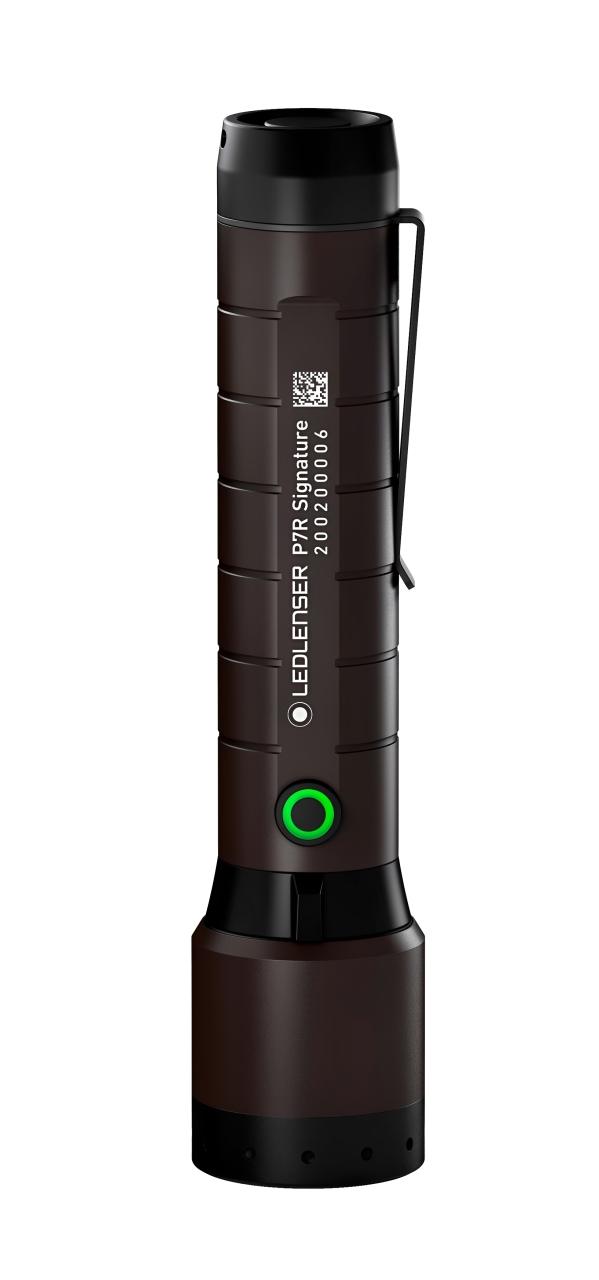
A good inspection starts with seeing the right details, not simply flooding an area with light. Loose fittings, surface damage and blocked access points can disappear in deep shadows or harsh reflections. A Lenser LED Torch gives technicians a portable way to examine these areas while changing the beam to suit the distance and task.
The Lenser LED Torch, P7R Signature, offers three regular brightness settings, including 15 lumens on Low and 1,200 lumens on Power, plus a temporary 2,000-lumen Boost. The original model has a rated 330 m maximum beam distance, adjustable focus and a rechargeable lithium-ion battery. These figures describe different operating conditions, so peak brightness and maximum runtime should never be assumed to occur together.
How Does a Torch Support a Structured Inspection?
Inspection lighting should help identify defects while preserving enough surrounding visibility to work safely. A narrow beam can reveal a distant label or fitting, whereas a wider beam helps assess the condition of an entire panel or work surface.
Start with a broad view, identify potential concerns, and only then focus on individual details. This reduces the temptation to interpret one bright reflection as evidence of a fault.
Why Is Light Angle as Important as Output?
Shining directly at polished metal may produce glare that hides scratches or cracks. Moving the light to one side can reveal texture through shallow shadows, while changing the viewing angle helps distinguish surface marks from reflections.
For some tasks, a second observer can hold the light while a qualified technician performs the inspection. Everyone should remain outside moving machinery and other hazards.
Which P7R Signature Settings Fit Different Jobs?
Ledlenser lists 15 lumens for Low, 500 lumens for Mid Power and 1,200 lumens for Power. Boost reaches 2,000 lumens briefly, rather than maintaining that output throughout an inspection.
Choose the lowest practical setting first. Low output may be enough for labels inside a cabinet, while stronger illumination can help when examining a larger, unlit structure from a safe position.
Can Beam Distance Replace Careful Positioning?
No. A quoted 330 m beam distance is a standardised performance measure, not a promise that every object can be inspected in detail from that distance. Contrast, weather and viewing conditions all influence recognition.
Move closer only when the access route is safe and authorised. Lighting should support an inspection plan, never become a reason to cross an unsafe boundary.
What Should You Check Before Leaving the Workshop?
Prepare the torch alongside the rest of the inspection equipment. Test the main switch, adjustable focus, mode selector and charging indicator. Confirm that the battery has sufficient charge for the planned duration and that the lens is clear.
A quick pre-use check can include:
- Inspect the housing and lens for cracks or damage.
- Test the required light modes and the transport lock.
- Check the charge indicator and charging contacts.
- Confirm that the beam can be focused without sticking.
- Pack appropriate personal protective equipment for the site.
- Arrange backup lighting when an inspection cannot safely stop.
Safety Goggles may be necessary where dust, flying particles or splashes are present, but torch brightness does not remove those hazards.
How Can You Check Lighting Conditions Objectively?
If a workplace requires a defined illuminance level, a torch's lumen rating alone cannot establish compliance. Light Meters measure the light arriving at a surface, helping teams identify whether fixed lighting provides the required coverage.
Use the handheld torch as an inspection aid rather than a substitute for permanent, correctly designed workplace lighting. Record poor visibility separately from any defect discovered under the beam.
Why Should Findings Be Documented Immediately?
Photograph the area where permitted, note the component location and describe the observed condition without guessing at the cause. Consistent records allow another technician to revisit the same point and compare changes over time.
When an issue involves hidden wiring, Cable Detectors & Fuse Finders may help qualified personnel investigate, but a torch itself cannot establish whether a circuit is electrically safe.
How Do You Inspect Places the Beam Cannot Reach?
A visible gap behind a panel may still conceal the relevant fault. Suitable Inspection Cameras can help examine inaccessible spaces without unnecessary dismantling, subject to the equipment's own safety and access limitations.
Inspection Lamps may work better when a fixed, close-up light is needed for both hands to remain available. Select the tool that reveals the detail, rather than relying on one light for every situation.
What Other Equipment Complements a Handheld Beam?
A torch reveals visible surfaces, whereas Thermal Imaging Cameras highlight temperature patterns that may justify further investigation. Each instrument answers a different question, and neither should be treated as a substitute for the correct electrical safety procedure.
The P7R Signature's IP68 rating also deserves careful interpretation. It provides documented dust and water resistance within the manufacturer's conditions, but not unlimited immersion tolerance or approval for explosive atmospheres.
How Can Good Lighting Habits Improve Inspection Quality?
Recharge the torch according to the manufacturer's instructions, clean it after dirty work and investigate damage before reuse. The P7R Signature supports configurable lighting modes, so teams can agree on practical default settings for recurring tasks.
Finally, separate portable search lighting from general area illumination. Compare Work Lights when a whole bench, service bay or temporary work zone needs sustained coverage. Used with clear inspection procedures and accurate records, a reliable handheld torch can help teams see more, communicate findings and avoid repeated checks.

 English
 Arabic
 French
 Spanish
 Portuguese
 Deutsch
 Turkish
 Dutch
 Italiano
 Russian
 Romaian
 Portuguese (Brazil)