


Rehabilitation Centre: A Path Towards Recovery, Healing, and a Better Life
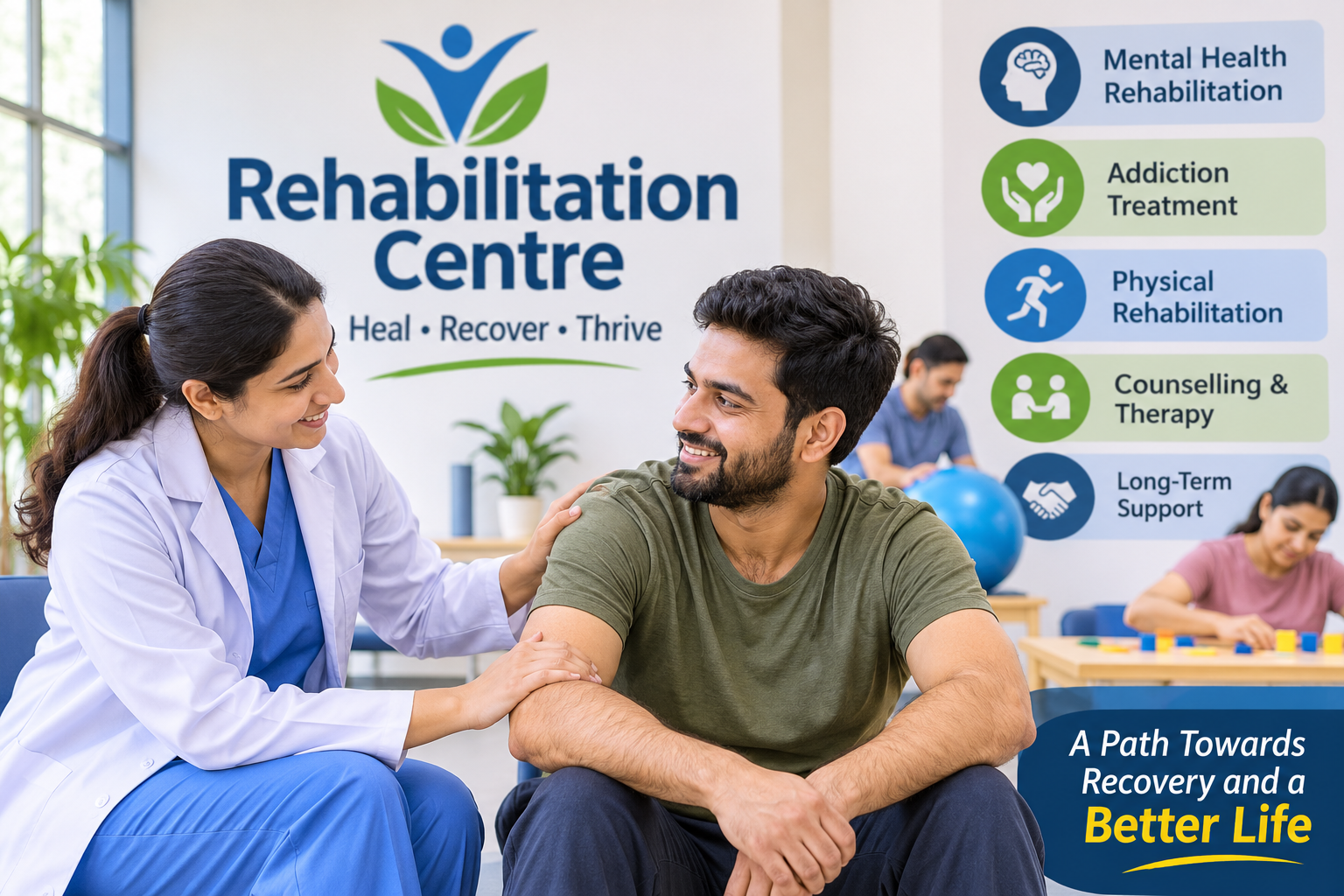
A rehabilitation centre plays an important role in helping individuals overcome physical, mental, emotional, and substance-related challenges. Life can become difficult when someone struggles with addiction, mental health conditions, injuries, or other health concerns. During such situations, professional guidance and structured care can make a significant difference in the recovery journey.
A rehabilitation centre provides a supportive environment where individuals can receive professional treatment, develop healthy habits, and work towards regaining independence. With the right combination of medical support, counselling, therapy, and family involvement, people can gradually rebuild their confidence and improve their quality of life.
What Is a Rehabilitation Centre?
A rehabilitation centre is a healthcare facility that provides specialised treatment and support to people recovering from various health conditions. These facilities focus on improving physical abilities, emotional well-being, psychological health, and everyday functioning.
Depending on an individual's needs, rehabilitation services may include:
-
Physical rehabilitation and mobility training.
-
Psychological counselling and therapy.
-
Alcohol and drug addiction treatment.
-
Mental health rehabilitation.
-
Behavioural therapy and emotional support.
-
Social skills and life skills development.
The primary goal is to help individuals achieve long-term recovery and become more confident and independent.
Importance of Professional Rehabilitation Services
Recovery is often a gradual process that requires patience, consistency, and professional supervision. Trying to manage serious health or addiction-related challenges without proper guidance can make the situation more complicated.
Professional rehabilitation services provide structured treatment plans based on individual requirements. Experienced healthcare professionals assess each person's condition and recommend suitable therapies.
Some important benefits include:
1. Personalised Treatment Plans
Every individual has different recovery needs. Rehabilitation centres develop personalised treatment programmes according to medical history, symptoms, lifestyle, and recovery goals.
2. Professional Medical Support
Qualified healthcare professionals monitor progress and provide appropriate medical assistance whenever required.
3. Emotional and Psychological Support
Counselling and psychotherapy help individuals understand their emotions, manage stress, and develop healthier coping strategies.
4. A Structured Daily Routine
A balanced routine involving therapy, physical activities, relaxation, and healthy habits can support recovery and improve discipline.
5. Family Involvement
Family counselling and educational sessions help loved ones understand the recovery process and provide appropriate support.
Types of Rehabilitation Services
Rehabilitation centres offer different services depending on the challenges individuals are experiencing.
1. Mental Health Rehabilitation
Mental health rehabilitation supports people dealing with conditions such as depression, anxiety disorders, bipolar disorder, and other psychiatric concerns. Treatment may include psychiatric consultations, psychological counselling, medication management, and behavioural therapies.
2. Addiction Rehabilitation
Addiction rehabilitation helps individuals struggling with alcohol, drug, and other substance dependencies. Treatment may involve medically supervised detoxification when necessary, individual counselling, group therapy, relapse prevention, and aftercare planning.
3. Physical Rehabilitation
Physical rehabilitation focuses on improving movement, strength, balance, and mobility after injuries, surgeries, strokes, or other medical conditions. Physiotherapy and specialised exercises are commonly included.
4. Behavioural Rehabilitation
Behavioural rehabilitation helps individuals recognise unhealthy behavioural patterns and develop positive habits. Therapy sessions focus on emotional regulation, communication, decision-making, and social interaction.
How to Choose the Right Rehabilitation Centre
Selecting an appropriate rehabilitation centre is an important decision. Individuals and families should consider several factors before choosing a facility.
-
Qualified Professionals: Check whether the centre has trained doctors, psychiatrists, psychologists, therapists, and other relevant healthcare professionals.
-
Treatment Approach: Look for personalised treatment plans that address individual needs.
-
Safe Environment: Ensure the facility maintains appropriate hygiene, safety, privacy, and patient dignity.
-
Family Support: Choose a centre that encourages healthy family participation when appropriate.
-
Aftercare Services: Long-term recovery requires continued support, follow-up consultations, and relapse prevention strategies.
-
Transparency: Understand the treatment process, costs, facilities, and expected care arrangements before admission.
Role of Counselling and Therapy in Recovery
Counselling and therapy are essential components of many rehabilitation programmes. They help individuals understand the factors affecting their well-being and learn practical ways to manage difficult situations.
Different therapeutic approaches may include:
-
Cognitive Behavioural Therapy (CBT).
-
Individual counselling.
-
Family therapy.
-
Group counselling.
-
Behavioural modification.
-
Stress management techniques.
These approaches can help individuals develop self-awareness, improve communication, manage emotions, and build healthier relationships.
Why Family Support Matters
Family support can make the rehabilitation journey more encouraging and manageable. People recovering from addiction, mental health difficulties, or physical conditions may experience emotional challenges.
Families can contribute by maintaining a positive environment, attending counselling sessions, encouraging treatment adherence, and avoiding judgement or criticism.
Understanding, patience, and consistent encouragement can help individuals feel supported throughout their recovery.
Rehabilitation and Long-Term Recovery
Completing a rehabilitation programme is an important milestone, but recovery often continues beyond the treatment period. Long-term success depends on regular follow-ups, healthy lifestyle choices, professional guidance, and a supportive environment.
Aftercare programmes may include outpatient counselling, support groups, medical consultations, physical exercises, and relapse prevention planning.
Individuals should follow professional recommendations and seek assistance whenever they experience difficulties during recovery.
Conclusion
A rehabilitation centre can provide individuals with the professional care, guidance, and support needed to overcome different health challenges. Whether someone requires addiction treatment, mental health rehabilitation, or physical recovery services, choosing the right facility is an important step towards a healthier future.
With personalised treatment, qualified professionals, family involvement, and continued aftercare, individuals can gradually regain confidence, develop healthier habits, and improve their overall quality of life. Recovery takes time, but with appropriate support, positive change is possible.

 English
 Arabic
 French
 Spanish
 Portuguese
 Deutsch
 Turkish
 Italiano
 Russian
 Romaian
 Portuguese (Brazil)
 Greek