


Is November Men's Mental Health Awareness Month? What You Should Know
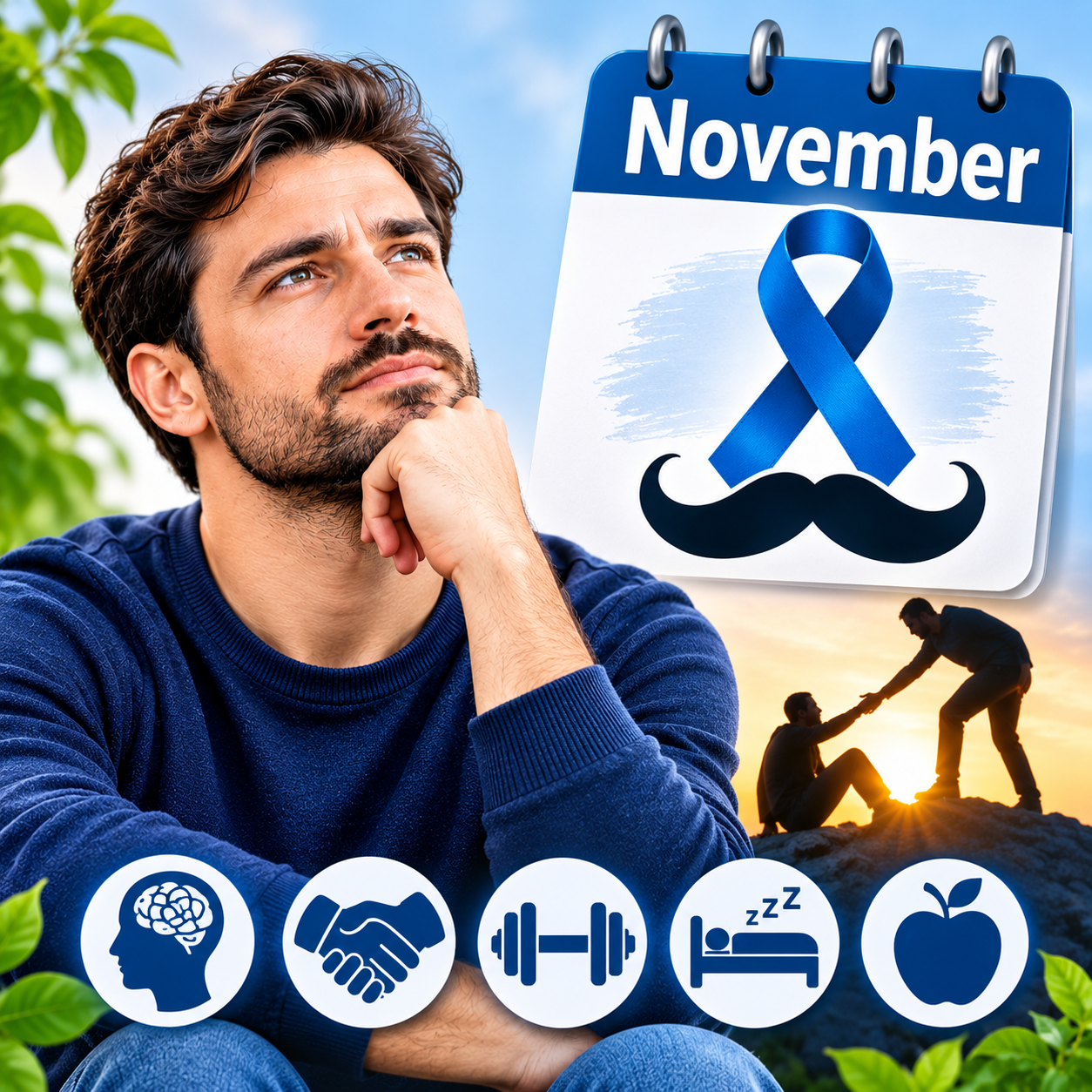
November is widely associated with men's health awareness, particularly through the global Movember movement. But is november men's mental health month officially recognized as a dedicated awareness month? The answer requires a little clarification. November is strongly connected with men's mental health campaigns, suicide prevention, prostate cancer awareness, and testicular cancer awareness. However, its recognition differs from that of an officially designated mental health awareness month.
Understanding the purpose of November's men's health campaigns can help individuals recognize emotional struggles, challenge outdated expectations about masculinity, and encourage men to seek professional support. Mental health deserves attention throughout the year, but November provides an important opportunity to start conversations that might otherwise remain unspoken.
Is November Men's Mental Health Awareness Month Officially Recognized?
The short answer is that November is widely recognized as Men's Health Awareness Month in several countries and is closely associated with men's mental health campaigns. However, the exact designation of a separate Men's Mental Health Awareness Month varies by country and organization.
The most recognizable November campaign is Movember, an international movement that encourages people to grow moustaches during November to raise awareness and funds for men's health initiatives.
Although Movember initially gained attention for prostate and testicular cancer awareness, its mission has expanded. Mental health education, suicide prevention, emotional wellbeing, and social connection are now important parts of its work.
Men's Mental Health Projects & Impact+2
In the United States, June is also commonly recognized as Men's Mental Health Awareness Month. Therefore, the answer to is november men's mental health month depends partly on the country and the awareness campaign being discussed.
Rather than focusing only on a calendar designation, the important message is that men's psychological wellbeing deserves recognition, understanding, and practical support every month.
What Is Movember and Why Does It Matter?
Movember is a global men's health campaign that takes place throughout November. Its name combines the words moustache and November. Participants grow moustaches, organize fundraising activities, and encourage conversations about health issues that affect men.
What started as a simple idea developed into an international campaign.
Today, Movember highlights several important health priorities:
-
Mental health and suicide prevention.
-
Prostate cancer awareness.
-
Testicular cancer awareness.
-
Early intervention and health education.
-
Stronger social connections among men.
Mental health is particularly important because many men experience emotional difficulties without discussing them openly. Movember encourages men to recognize warning signs, build supportive relationships, and seek assistance before problems become overwhelming.
The campaign also challenges the belief that men should always appear strong, independent, and emotionally unaffected. Its broader message is that looking after mental health is a normal part of looking after overall health.
Men's Mental Health Projects & Impact+2
Why Is Men's Mental Health Awareness Important?
Mental health influences how people think, feel, behave, communicate, and respond to everyday challenges. Men experience depression, anxiety, stress, trauma, and other psychological conditions just as women do.
However, social expectations can sometimes make it harder for men to acknowledge emotional difficulties. Some grow up believing that discussing sadness or fear makes them appear weak. Others worry about being judged by friends, family members, or colleagues.
These attitudes can discourage early treatment and allow manageable problems to become more serious.
Understanding the Challenges Men Experience
Men can experience psychological pressure from several areas of life, including:
Workplace expectations: Career competition, financial responsibilities, job insecurity, and long working hours can contribute to chronic stress.
Family responsibilities: Providing financial support, managing relationships, and caring for children or older relatives can become emotionally exhausting.
Social isolation: Some men have limited opportunities to discuss personal struggles or maintain meaningful friendships.
Relationship difficulties: Separation, marriage problems, loneliness, and family conflicts can affect emotional stability.
Health concerns: Chronic illnesses, physical limitations, and unexpected medical diagnoses may increase anxiety and emotional distress.
These challenges do not automatically indicate a mental health disorder. However, persistent emotional difficulties deserve attention rather than dismissal.
Common Mental Health Conditions Affecting Men
Recognizing common mental health conditions can help men understand their experiences and seek appropriate support.
1. Depression
Depression is more than occasional sadness. It can affect motivation, sleep, appetite, concentration, relationships, and everyday functioning.
Some men experience irritability, frustration, or emotional numbness instead of openly expressing sadness. They might withdraw from friends, lose interest in hobbies, or spend more time working to avoid difficult feelings.
Other possible symptoms include:
-
Persistent low mood.
-
Low energy and unexplained tiredness.
-
Changes in sleeping patterns.
-
Feelings of guilt or hopelessness.
-
Difficulty concentrating.
-
Loss of interest in enjoyable activities.
Symptoms that persist or interfere with everyday life should be discussed with a qualified healthcare professional.
2. Anxiety Disorders
Anxiety involves excessive fear, worry, or nervousness that becomes difficult to control. Men may experience anxiety about finances, employment, relationships, health, or future responsibilities.
Physical symptoms can include sweating, muscle tension, rapid heartbeat, restlessness, and difficulty sleeping.
Some individuals avoid social situations or stressful responsibilities because they fear making mistakes or losing control.
3. Stress and Emotional Burnout
Long-term stress can affect both physical and psychological wellbeing. Men managing demanding jobs, financial pressure, or family responsibilities may gradually experience emotional exhaustion.
Burnout can involve reduced motivation, irritability, poor concentration, and feeling disconnected from everyday activities.
Rest, supportive relationships, healthier boundaries, and professional guidance can help address ongoing difficulties.
Warning Signs That a Man May Be Struggling
Understanding is november men's mental health month also means recognizing that awareness should lead to meaningful action. Friends and relatives can play an important role by noticing changes in someone's usual behavior.
Not every man expresses emotional distress in the same way. Some become unusually quiet, while others appear angry, impatient, or withdrawn.
Potential warning signs include:
-
Avoiding friends and family.
-
Losing interest in favorite activities.
-
Sleeping significantly more or less than usual.
-
Increased alcohol or substance use.
-
Persistent irritability or frustration.
-
Difficulty managing everyday responsibilities.
-
Expressing hopelessness or feeling like a burden.
-
Talking about death or suicide.
One warning sign alone does not establish a diagnosis. However, noticeable changes that persist deserve a compassionate conversation.
If someone talks about suicide, take the statement seriously. Ask directly whether they are thinking about suicide, listen without judgment, and help them access urgent professional support. If there is immediate danger, contact local emergency services and do not leave the person alone if it is safe to remain with them.
How Men Can Improve Their Mental Wellbeing
Mental wellbeing requires ongoing attention. Small, consistent lifestyle changes can support emotional health, although they should not replace professional treatment when someone needs it.
1. Talk About Emotions Openly
Talking about difficult experiences can reduce isolation and help men understand their feelings.
A conversation with a trusted friend, partner, family member, or mental health professional can provide a safe opportunity to express concerns.
Men do not need to explain everything perfectly. Starting with a simple statement such as "I've been feeling overwhelmed lately" can make opening up easier.
2. Build Meaningful Social Connections
Healthy relationships provide emotional support and a sense of belonging. Spending time with friends, participating in community activities, and maintaining family connections can help reduce loneliness.
Even a short conversation or regular shared activity can strengthen relationships.
Movember encourages meaningful conversations rather than relying only on casual interactions. Checking in regularly and listening carefully can make a difference when someone is struggling.
Movember+1
3. Maintain a Consistent Exercise Routine
Physical activity can support mental wellbeing by improving sleep, reducing tension, and helping people manage everyday stress.
Men can choose activities that suit their abilities and interests, such as:
-
Walking or jogging.
-
Cycling.
-
Swimming.
-
Strength training.
-
Yoga or stretching.
-
Playing recreational sports.
Consistency matters more than intensity. Starting with short walks and gradually increasing activity can be a realistic approach for beginners.
Men with existing health concerns should seek medical advice before starting a demanding exercise programme.
4. Improve Sleep Quality
Sleep plays an important role in emotional regulation, concentration, memory, and physical recovery.
Poor sleep can make stress harder to manage and may contribute to irritability and low mood.
Helpful habits include maintaining a regular bedtime, limiting caffeine late in the day, reducing screen exposure before sleeping, and creating a comfortable bedroom environment.
If insomnia or excessive daytime sleepiness continues, a healthcare professional can investigate possible causes.
5. Eat a Balanced Diet
A nutritious diet supports overall physical health and provides nutrients needed for normal brain functioning.
Men should aim to include vegetables, fruits, whole grains, lean protein, healthy fats, and sufficient water in their daily routine.
Avoid relying on alcohol, excessive caffeine, or highly processed foods to manage emotional discomfort. These habits may provide temporary relief but can create additional problems.
6. Establish Healthy Work-Life Boundaries
Constant work pressure can affect relationships, sleep, and emotional wellbeing. Setting realistic boundaries helps men protect time for relaxation and personal interests.
Practical steps include taking regular breaks, organizing daily responsibilities, limiting unnecessary overtime, and making time for family and friends.
Rest is not laziness. It is an important part of maintaining long-term health.
How Families and Friends Can Support Men's Mental Health
Mental health awareness should involve more than individual responsibility. Families, friends, colleagues, and communities can create environments where men feel comfortable discussing difficult experiences.
If you are concerned about someone, begin with a private and respectful conversation.
Helpful Ways to Start a Conversation
Consider saying:
-
"You haven't seemed yourself lately. Is everything okay?"
-
"I'm here if you want to talk."
-
"You don't have to handle everything alone."
-
"Would you like me to help you find someone to speak with?"
Listen patiently rather than immediately offering advice. Avoid comparing their difficulties with someone else's experiences.
Movember also promotes a practical approach known as ALEC: Ask, Listen, Encourage Action, and Check In. This encourages people to ask questions, listen without judgment, support positive next steps, and follow up later.
Mental Health & Suicide Prevention+1
What Should You Avoid Saying?
Certain statements can unintentionally discourage someone from opening up.
Avoid comments such as:
-
"Just be strong."
-
"Other people have bigger problems."
-
"You should stop worrying."
-
"Men should not cry."
-
"Everything is in your head."
These comments may make a struggling person feel misunderstood.
Instead, acknowledge their feelings and remind them that professional help is available.
When Should Men Seek Professional Mental Health Support?
Lifestyle changes and supportive relationships are valuable, but they are not always enough. Professional assistance is important when emotional symptoms become persistent, severe, or disruptive.
Consider speaking with a qualified professional when:
-
Sadness or anxiety continues for several weeks.
-
Daily responsibilities become difficult to manage.
-
Sleep or appetite changes significantly.
-
Relationships are repeatedly affected.
-
Alcohol or drug use becomes a coping strategy.
-
Feelings of hopelessness become overwhelming.
A primary care doctor can assess symptoms and recommend suitable treatment. Depending on individual needs, support may include psychotherapy, medication, or a combination of approaches.
Psychologists, psychiatrists, and licensed therapists have different professional roles, but each may contribute to mental healthcare.
Seeking assistance is not a sign of personal failure. It is a practical decision that can improve quality of life.
The Connection Between Physical Health and Emotional Wellbeing
Physical and mental health influence one another. Persistent pain, hormonal changes, chronic illness, and sleep disturbances can affect mood and stress levels.
Likewise, psychological distress may influence how people perceive physical symptoms and manage existing medical conditions.
For example, someone experiencing ongoing discomfort may become frustrated, anxious, or socially withdrawn. These emotional reactions deserve attention alongside the underlying physical problem.
Why Men Should Not Ignore Physical Symptoms
Men sometimes delay medical appointments because they are busy, embarrassed, or concerned about receiving an uncomfortable diagnosis.
However, unexplained pain, swelling, urinary changes, and persistent discomfort should be assessed by an appropriate healthcare professional.
For example, epididymitis is inflammation of the epididymis, a small tube located behind the testicle. It can cause pain and swelling and may require medical treatment, depending on its cause.
Information about Herbal Remedies for Epididymitis should never replace proper diagnosis or prescribed treatment. Herbal preparations have not been established as a reliable cure for this condition. Sudden or severe testicular pain requires emergency assessment because testicular torsion is another possible cause.
Understanding physical health concerns is important, but unrelated conditions should not be confused with mental health treatment.
Why Awareness Campaigns Must Continue Beyond November
November provides a valuable opportunity to discuss men's wellbeing, but emotional health does not follow a seasonal calendar.
Men can experience depression, anxiety, loneliness, and psychological stress at any time. Waiting for an annual awareness campaign before discussing these issues can delay important conversations.
The question is november men's mental health month should therefore encourage a broader discussion about year-round awareness.
Workplaces can organize mental health education sessions, schools can teach emotional literacy, and community organizations can provide accessible support services.
Employers can also help by promoting reasonable workloads, supportive management, confidential assistance, and psychologically safer working environments.
Healthcare providers should encourage men to discuss emotional symptoms during routine appointments rather than focusing exclusively on physical complaints.
These actions help make mental health support part of everyday life.
Understanding Natural and Complementary Health Approaches
Men's health includes physical conditions that may require medical attention alongside emotional and psychological support. It is important to understand the difference between complementary wellness practices and evidence-based medical treatment.
Some men explore Natural Treatment for Epididymitis when researching physical discomfort. However, there is no established natural treatment that reliably eliminates epididymitis or replaces appropriate medical care. Treatment depends on the underlying cause, and bacterial infections may require antibiotics. Rest and supportive measures should only be used according to medical guidance.
This distinction matters because natural approaches are not automatically safe or effective. Men should discuss supplements, herbal preparations, and other complementary products with a healthcare professional, particularly when taking prescription medicines.
Creating a Supportive Environment for Men's Mental Health
A supportive environment can make it easier for men to discuss emotional challenges without fear of criticism. Families, schools, workplaces, and healthcare organizations all have opportunities to improve mental health awareness.
At Home
Family members can encourage honest communication and make time for meaningful conversations. Parents can also teach boys that expressing emotions is healthy and that asking for help is a responsible decision.
In the Workplace
Employers can promote psychological wellbeing through manageable workloads, supportive leadership, confidential counselling options, and flexible working arrangements where possible.
In Communities
Sports clubs, educational institutions, and local organizations can arrange awareness sessions, discussion groups, and fundraising activities.
Community-based programmes can be particularly helpful for men who feel uncomfortable beginning their mental health journey through traditional healthcare settings.
Choosing Health Products Responsibly
Interest in natural wellness products continues to grow, particularly among people looking for ways to support general health. However, consumers should carefully examine product ingredients, safety information, and available scientific evidence before purchasing supplements.
Herbal Care Products should not be presented as treatments for depression, anxiety, suicidal thoughts, or other mental health disorders without reliable clinical evidence. Herbal ingredients can also interact with prescription medications and may cause unwanted effects.
Before using any supplement, consider the following:
-
Check the complete ingredient list.
-
Review potential side effects.
-
Avoid products promising guaranteed cures.
-
Discuss possible interactions with a healthcare professional.
-
Choose products from reputable manufacturers.
-
Never discontinue prescribed treatment without medical advice.
Natural wellness products may have a place in certain health routines, but they should not replace professional assessment, counselling, or evidence-based treatment.
How to Participate in Movember
Participating in Movember does not require expensive activities or special medical knowledge. Anyone can contribute by encouraging conversations, sharing reliable information, and supporting organizations working to improve men's health.
Here are some practical ways to participate:
Grow a moustache: Join the traditional campaign and use it to start conversations about men's health.
Raise funds: Organize a community activity, workplace challenge, or personal fundraising campaign.
Check on friends: Contact someone you have not spoken with recently and ask how they are doing.
Share educational resources: Publish trustworthy information about depression, anxiety, suicide prevention, and available support.
Encourage medical appointments: Remind men that preventive healthcare and early intervention are important.
Challenge stereotypes: Promote the idea that emotional honesty and seeking professional help are signs of responsibility.
Small actions can help create a culture in which men feel supported rather than judged.
Frequently Asked Questions
1. Is November officially Men's Mental Health Awareness Month?
November is widely recognized as Men's Health Awareness Month in several countries. Through Movember, it also highlights mental health, suicide prevention, and emotional wellbeing. However, official awareness designations differ between countries.
2. Why is November associated with men's health?
November is associated with Movember, an international campaign that began in Australia in 2003. It uses moustache-growing activities and fundraising to raise awareness about important men's health issues.
3. Is men's mental health awareness limited to November?
No. Mental health awareness is important throughout the year. November simply provides an opportunity to encourage conversations, promote education, and support men who may be experiencing emotional difficulties.
4. What are common signs of poor mental health in men?
Common signs include persistent sadness, irritability, anxiety, social withdrawal, sleep disturbances, reduced motivation, and difficulty managing everyday responsibilities. These symptoms may indicate a need for professional assessment.
5. How can I support a man experiencing depression?
Listen without judgment, encourage honest conversations, offer practical assistance, and help him access professional healthcare. Continue checking in rather than assuming one conversation will solve everything.
6. Does Movember focus only on mental health?
No. Movember also supports prostate cancer awareness, testicular cancer awareness, and broader men's health initiatives.
Final Thoughts
So, is november men's mental health month? November is an important period for men's health awareness and mental health advocacy, particularly through the global Movember campaign. Although its official designation varies by country, its message is clear: men's emotional wellbeing deserves attention, understanding, and support.
Men should feel comfortable discussing their struggles, building supportive relationships, and seeking professional assistance when necessary. Families, friends, employers, and communities can all contribute to reducing stigma and encouraging early intervention.
Mental health is not a weakness or something to hide. It is an essential part of overall wellbeing. The most meaningful way to recognize November is to carry its message into every month of the year.

 English
 Arabic
 French
 Spanish
 Portuguese
 Deutsch
 Turkish
 Dutch
 Italiano
 Romaian
 Portuguese (Brazil)
 Greek