


What Happens If You Leave Braids in Too Long?
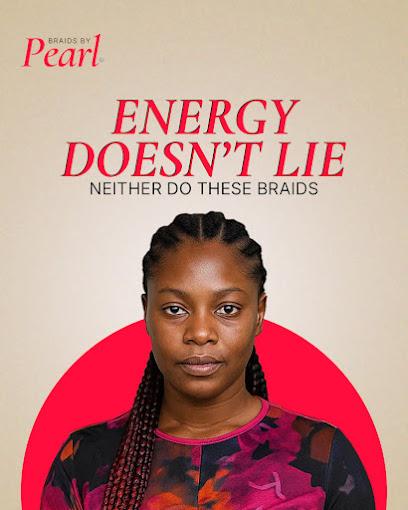
You get your braids done, love how they look, and promise yourself you'll take them down in a few weeks. Then life gets busy. Work piles up, weekends disappear, and before you know it, your braids have been in for two months. Sound familiar?
Braids are a beautiful and practical hairstyle, especially for people who want to reduce daily styling. However, keeping them in for too long can create problems for your natural hair and scalp. What starts as a convenient protective style may eventually lead to tangling, breakage, irritation, and hair thinning.
The good news? You don't have to give up your favorite braided styles to maintain healthy hair. You simply need to understand when it's time to take them down and how to care for your hair between appointments.
How Long Should You Keep Braids In?
For many people, four to six weeks is a reasonable target for wearing braids, while eight weeks is generally an upper limit for many braided styles. The ideal duration depends on your hair's condition, the type of braids you have, the weight of any extensions, and how well you maintain your scalp.
The American Academy of Dermatology advises keeping braids in for no longer than six to eight weeks and recommends avoiding styles that create excessive tension. Some dermatologists recommend shorter periods for certain styles or people experiencing hair damage.
It's important to remember that eight weeks isn't a deadline you must reach. If your scalp becomes uncomfortable or your roots start matting, remove the style sooner.
Braids should make your routine easier, not leave you dealing with preventable hair problems later.
What Happens If You Leave Braids in Too Long?
1. Your Natural Hair Can Start Breaking
Your hair continues growing while it's braided, and naturally shed hairs can become trapped within the style. As weeks pass, these loose strands may tangle with new growth, especially near the roots.
When you finally remove the braids, detangling can become difficult. Pulling a comb through stubborn knots or rushing the takedown process can cause unnecessary breakage.
This is one reason people sometimes feel that braids have made their hair shorter. The style itself isn't necessarily responsible. Poor maintenance, excessive tension, and rough takedown can all contribute to the problem.
2. Your Scalp May Develop Product Buildup
Keeping your scalp clean is just as important as keeping your braids looking neat.
Sweat, natural oils, styling products, and environmental debris can accumulate around your roots. If you don't cleanse your scalp properly, this buildup may contribute to itching, flaking, and irritation.
A little frizz doesn't automatically mean your braids are unhealthy. However, persistent itching, unpleasant odors, redness, or soreness shouldn't be ignored.
Clean your scalp gently according to your hair's needs, and make sure it dries thoroughly after washing.
3. Your Hairline May Become Thinner
Your hairline deserves special attention because the hairs around your temples and edges can be particularly vulnerable to repeated pulling.
Heavy extensions, tight braiding, and hairstyles that constantly pull your braids backward can place stress on the hair follicles. Over time, this tension can cause a condition called traction alopecia.
Early signs may include broken hairs, thinning around the temples, or a receding hairline. Continued tension can sometimes cause permanent hair loss.
If your braids hurt, give you headaches, or create small bumps along your hairline, don't wait for the style to loosen naturally. Ask your stylist to relieve the tension or remove the braids.
4. Your Roots Can Become Tangled and Matted
Have you ever taken down old braids and discovered that your roots were much more tangled than you expected?
That happens partly because naturally shed hairs remain caught in the braids instead of falling away during ordinary washing and brushing. As new hair grows, those strands can become intertwined with your roots.
The longer you leave the style in, the more challenging the takedown may become.
Instead of pulling through knots, use a suitable detangling product, separate the hair gently with your fingers, and work in small sections. A wide-tooth comb can help once the larger tangles have been loosened.
If your roots are severely matted, consider getting professional help rather than risking unnecessary breakage.
5. Your Braids May Become Heavy or Uncomfortable
Long braids and heavy extensions can put additional strain on your natural hair, particularly when you pull them into tight ponytails or buns.
As your hair grows, the original installation also changes. Some braids may loosen while others continue pulling at the roots.
Pay attention to how your hair feels, not just how it looks. A style can still look attractive in photographs while putting too much stress on your scalp.
Signs It's Time to Take Your Braids Out
You don't need to wait until your braids look messy before removing them. Watch for these warning signs:
-
Persistent itching: Your scalp remains uncomfortable despite gentle cleansing and appropriate care.
-
Excessive root tangling: Your new growth becomes difficult to separate without pulling.
-
Hairline thinning: You notice broken hairs or reduced density around your temples.
-
Pain or tenderness: Your scalp hurts when you move your braids or tie them back.
-
Unusual buildup or odor: Your scalp remains irritated or develops a persistent unpleasant smell.
-
Significant loosening: Your braids have grown out enough that they tangle easily or no longer feel secure.
Pain, sores, and noticeable hair loss deserve particular attention. Remove the source of tension and consult a dermatologist if symptoms persist or you notice significant thinning.
How to Care for Your Braids Without Damaging Your Hair
Keeping braids in good condition involves more than applying oil and hoping for the best. A few consistent habits can make a difference.
Keep your scalp clean. Use a gentle cleanser appropriate for your hair and scalp. Follow the washing instructions recommended for your particular braid style, and allow your hair to dry thoroughly.
Moisturize when needed. If your natural hair feels dry, use a lightweight product suitable for your hair type. Avoid applying excessive amounts of heavy products that can accumulate around your roots.
Protect your hair while sleeping. A satin bonnet or satin pillowcase can help reduce friction and frizz while you sleep.
Avoid tight hairstyles. Constantly pulling braids into high ponytails, buns, or other tight styles adds unnecessary tension. Let your braids hang loosely when possible.
Be gentle when removing braids. Take your time, work in manageable sections, and detangle from the ends toward the roots. Follow up with cleansing and conditioning suited to your hair's needs.
Most importantly, give your natural hair time to recover between installations. Wearing one protective style after another without a break can expose your hairline to repeated tension.
Can Keeping Braids In Longer Help Your Hair Grow?
This is a common question, and the answer deserves some clarification.
Braids don't make your hair grow faster. Your hair grows naturally from its follicles, regardless of whether it's braided.
However, a well-installed protective style can reduce daily manipulation and help you retain length by limiting some forms of breakage.
The problem begins when the style becomes too tight, too heavy, or stays in longer than your hair can comfortably tolerate. In those circumstances, the risk of damage can outweigh the convenience.
Healthy hair growth isn't about keeping one hairstyle in for as long as possible. It's about maintaining a healthy scalp, reducing unnecessary tension, and treating your natural hair gently.
Looking for a Braiding Salon Near Me?
Choosing a suitable braiding style involves more than deciding between knotless braids, box braids, or cornrows. Your natural hair's condition, preferred length, scalp sensitivity, and daily routine should all influence your decision.
When searching for a braiding salon near me, look for a professional who listens to your concerns, avoids excessive tension, and explains how to maintain your chosen style.
If you prefer traditional African-inspired styles, searching for an African hair braiding salon near me can help you find a stylist who offers the type of braiding you're looking for.
Before booking a hair braids service near me, consider asking a few practical questions:
-
Which braid style would suit my hair's current condition?
-
How much extension hair should be used to avoid unnecessary weight?
-
How long should I keep this particular style installed?
-
How should I wash and maintain my scalp while wearing braids?
-
What signs would indicate that I should remove the style early?
A good appointment should leave you with a hairstyle you love and a clear understanding of how to care for it.
Frequently Asked Questions
Is it bad to leave braids in for three months?
For many common braided styles, three months is too long. Extended wear can increase the risk of root tangling, buildup, breakage, and tension-related hair loss. Consider removing your braids earlier, often within four to six weeks, depending on your hair and style.
Will my hair fall out if I leave braids in too long?
It can happen, particularly when braids are tight, heavy, or difficult to remove. Prolonged tension may cause traction alopecia, while rough detangling can lead to breakage. Not everyone will experience hair loss, but persistent tension should never be ignored.
Can I wash my hair while wearing braids?
Yes. Keeping your scalp clean is important. Use a gentle cleansing method suited to your braid style, avoid rough scrubbing, and make sure your hair dries thoroughly.
Should I give my hair a break between braiding appointments?
A break can help reduce repeated tension, particularly if you've noticed thinning, breakage, or scalp discomfort. Consider wearing a loose, low-tension style between installations and allow any irritation to settle before getting braids again.
Final Thoughts: Beautiful Braids Shouldn't Come at the Cost of Healthy Hair
Braids can be stylish, versatile, and convenient. But no hairstyle is worth sacrificing the health of your scalp or hairline.
Rather than waiting until your braids become uncomfortable or difficult to remove, pay attention to your roots, maintain a gentle hair-care routine, and plan your takedown before problems develop.
The most important thing to remember is simple: the best time to remove your braids isn't when they stop looking good. It's when keeping them in is no longer good for your hair.

 English
 Arabic
 French
 Spanish
 Portuguese
 Turkish
 Dutch
 Italiano
 Russian
 Romaian
 Portuguese (Brazil)
 Greek