


African Braids for Beginners: Everything You Need to Know
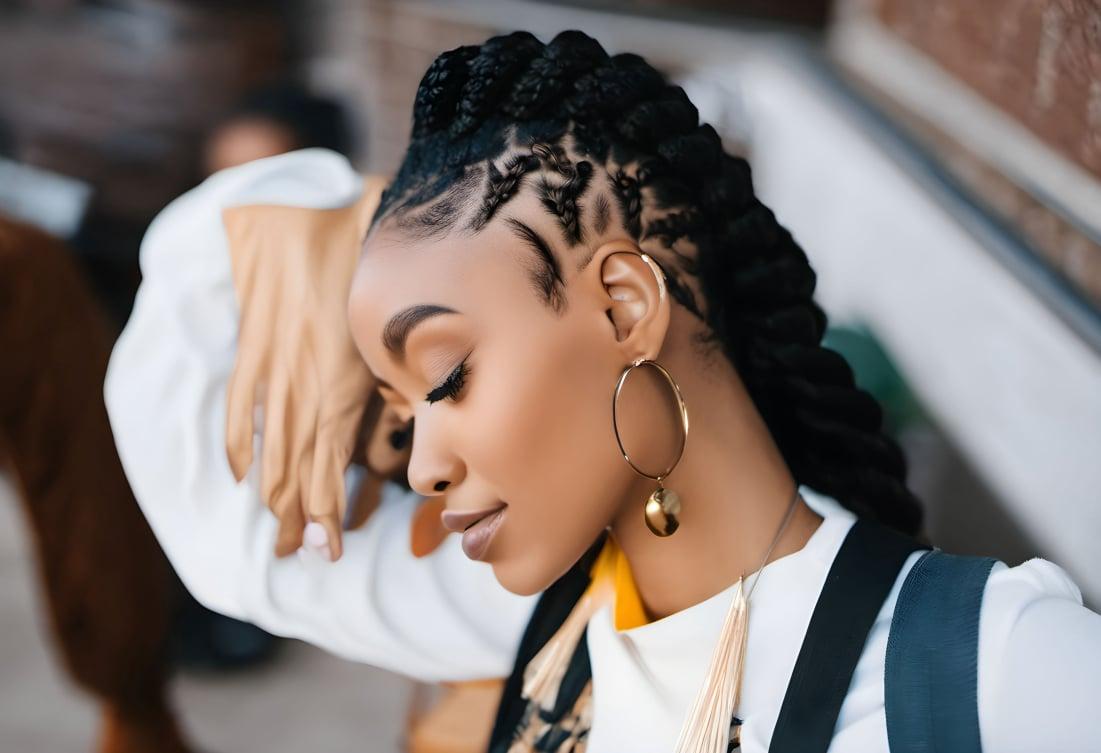
You've saved pictures of beautiful braids, found a style you love, and started imagining how you'll look when they're finished. Then reality hits. Which braids should you choose? Will they hurt? How long will they take? And what should you do with your natural hair before your appointment?
If you're new to African hair braiding, these questions are completely normal. Your first appointment should feel exciting, not confusing.
African braids offer a wide range of styles, from simple cornrows to long box braids and elegant knotless braids. The key is finding a style that suits your hair, lifestyle, and comfort level.
Here's everything you need to know before getting your first set of braids.
What Is African Hair Braiding?
African hair braiding is a hairstyling practice with deep cultural roots across African communities. It involves weaving, crossing, or twisting sections of hair into decorative patterns and styles.
Depending on the technique, braids can sit close to the scalp or hang freely. Some styles use natural hair alone, while others incorporate extensions for additional length, fullness, or color.
For many people, African braiding is about more than appearance. It can celebrate cultural identity, express personal style, and simplify everyday hair routines.
However, not every braid style suits every person. Your hair's condition, scalp sensitivity, preferred look, and daily activities all matter when choosing the right option.
Which African Braids Are Best for Beginners?
The best beginner style is one that matches your preferences without putting unnecessary stress on your hair. You don't need to choose the most complicated design to get a beautiful result.
1. Cornrows
Cornrows are braided close to the scalp, often in straight lines, curves, or creative patterns.
They're a practical option if you prefer a neat style that keeps your hair close to your head. Depending on the design, cornrows can be relatively quick to install compared with longer, more intricate styles.
They're also worth considering if you want a style that doesn't hang down your back.
2. Box Braids
Box braids consist of individual braids created from small, square-shaped sections of hair. Extensions can be added to create extra length and volume.
You can choose different braid sizes, lengths, and colors to suit your personal style. Medium-sized box braids can be a good starting point if you want a classic look without choosing extremely small braids.
Remember that smaller braids generally require more installation time.
3. Knotless Braids
Knotless braids use a feed-in technique in which extension hair is gradually incorporated into your natural hair.
Unlike traditional box braids, they don't begin with the same noticeable knot at the root. Many people prefer them for their flatter appearance and potentially lighter feel.
That doesn't mean knotless braids are automatically tension-free. The installation technique and the amount of extension hair still matter.
4. Two-Strand Twists
Two-strand twists involve wrapping two sections of hair around each other rather than weaving three strands together.
They offer a softer, textured appearance and can be an appealing option for people who prefer a simpler style. Depending on your hair and the technique used, twists can be created with natural hair or extensions.
Beginner tip: Before choosing a style, show your braider a few reference pictures. Discuss the size, length, and expected maintenance rather than relying on a photo alone.
How to Prepare Your Hair Before Braiding
Good preparation can make your appointment more comfortable and help you care for your hair afterward.
Wash and Condition Your Hair
Start with clean hair and use a conditioner suitable for your hair type. Clean hair gives your braider a fresh starting point and helps you avoid having to wash your scalp too aggressively while wearing your new style.
If your hair needs detangling, handle it gently to minimize unnecessary breakage.
Make Sure Your Hair Is Properly Dried
Follow your braider's instructions about arriving with dry or stretched hair. Some styles are easier to install when the hair has been gently stretched, but excessive heat isn't necessary for everyone.
If you're unsure, ask before your appointment.
Discuss Your Scalp and Hair Concerns
Tell your braider if you experience scalp sensitivity, thinning edges, or previous breakage. These details can influence which style, braid size, and installation technique are appropriate.
Avoid assuming that a protective style will automatically repair damaged hair. Braids can reduce some daily manipulation, but excessive tension or poor maintenance can cause problems.
What Should You Expect During Your First Braiding Appointment?
Your first appointment may take longer than you expect, particularly if you're choosing long or small individual braids.
The process generally involves sectioning your hair, preparing each section, installing the braids, and finishing the style.
Installation time depends on several factors:
-
Braid size: Smaller braids usually require more individual sections.
-
Hair length: Longer natural hair or extensions may affect the time required.
-
Style complexity: Intricate patterns and detailed designs can take longer.
-
Hair preparation: Detangling and other preparation may add time.
Ask your braider for an estimated appointment length when booking. If you're planning your first visit, allow enough time to relax without worrying about your next commitment.
Most importantly, braids should not cause significant pain. If you experience sharp pain, excessive pulling, or an uncomfortable headache, speak up immediately. Tight braids aren't a sign of better work.
How Long Do African Braids Last?
The lifespan of African braids depends on the style, your hair's growth, your maintenance routine, and how much daily activity your hair experiences.
Some simpler styles may need refreshing sooner, while individual braids can remain presentable for several weeks with appropriate care.
Instead of trying to keep braids for as long as possible, focus on maintaining a healthy scalp and removing the style before matting, tangling, or tension becomes a concern.
Your braider can recommend a suitable wear period for your chosen style and hair condition.
How to Maintain Your Braids at Home
Beautiful braids need care after you leave the salon. A simple routine can help keep them looking neat while protecting your natural hair.
Keep your scalp clean. Follow a gentle cleansing routine suited to your hairstyle. Don't ignore itching or buildup simply because your hair is braided.
Moisturize when needed. Use appropriate lightweight products if your scalp or natural hair becomes dry. Applying excessive oil won't solve every scalp problem.
Protect your braids while sleeping. A satin or silk bonnet, scarf, or pillowcase can reduce friction and help minimize frizz.
Avoid constant pulling. Frequently wearing tight ponytails or buns can place additional tension on your hairline.
Remove braids gently. Take your time when undoing the style, carefully separating extensions from your natural hair. Detangle gradually rather than pulling through knots.
If you notice persistent scalp irritation, thinning edges, or unusual hair breakage, remove the source of tension and seek professional advice when needed.
How to Find the Right Braids Hairdressers for Your First Appointment
Choosing a braider is about more than finding someone who can recreate a picture. You want a professional who understands your hair, listens to your preferences, and takes your comfort seriously.
When comparing braids hairdressers, look for:
-
Relevant experience: Check whether the braider regularly works with your preferred style.
-
A clear portfolio: Look for finished styles that resemble what you want, including similar braid sizes and lengths.
-
Transparent pricing: Ask what the quoted price includes and whether extension hair costs extra.
-
Good communication: A professional should discuss your expectations, hair condition, and comfort before starting.
-
Clean working practices: Pay attention to the cleanliness of the workspace and the handling of tools and hair products.
Reviews can also help you understand other customers' experiences. Look for specific comments about communication, comfort, finished results, and appointment expectations rather than relying on star ratings alone.
Looking for Hair Braiding Near Me? Here's What to Check
Searching for hair braiding near me or braids near me can bring up several nearby options, but the closest salon isn't necessarily the best match for your needs.
Start by checking the salon's location, recent customer reviews, available services, and photographs of completed work. Confirm that the braider offers your preferred style before making an appointment.
It's also worth asking whether you need to bring your own extension hair, how long the appointment will take, and what preparation is expected.
If you're considering Majestic African Braiding, use the business's Google Maps listing to review the available business information and contact details before planning your visit.
A few minutes of research can help you avoid booking a style that doesn't match your expectations.
Frequently Asked Questions About African Hair Braiding
Are African braids suitable for beginners?
Yes. Styles such as cornrows, medium box braids, and two-strand twists can be good starting points. The best choice depends on your hair condition, preferred appearance, and maintenance needs.
Do African braids damage natural hair?
Braids don't automatically damage hair, but excessive tension, heavy extensions, rough removal, and prolonged wear can contribute to breakage or traction-related hair loss. Choose a comfortable installation and maintain your hair while braided.
Should I wash my hair before getting braids?
Generally, arriving with clean, detangled hair is a good idea. Ask your braider about specific preparation requirements, especially if your chosen style requires stretched hair.
How do I choose between box braids and knotless braids?
Box braids begin with a more defined attachment at the root, while knotless braids gradually incorporate extensions. Your choice may depend on your preferred appearance, scalp comfort, installation time, and budget.
How do I find reliable braids near me?
Compare local braiders' portfolios, customer reviews, service descriptions, and pricing. Ask questions about installation techniques, appointment duration, and hair preparation before booking.
Final Thoughts: Your First Braids Should Feel Right for You
Getting African braids for the first time doesn't require knowing every style or understanding every technique. It simply means learning enough to make a choice that works for your hair and lifestyle.
Start with a style you genuinely like, prepare your hair properly, and choose a braider who values both appearance and comfort.
The best braids aren't just the ones that look beautiful in a photograph. They're the ones that make you feel confident while allowing you to care for your natural hair.
Your first set of braids should be the beginning of discovering your style, not a lesson in tolerating discomfort.

 English
 Arabic
 French
 Spanish
 Portuguese
 Deutsch
 Turkish
 Dutch
 Italiano
 Russian
 Portuguese (Brazil)
 Greek