


How a Name Plate Brings Clarity and Order to Modern Offices
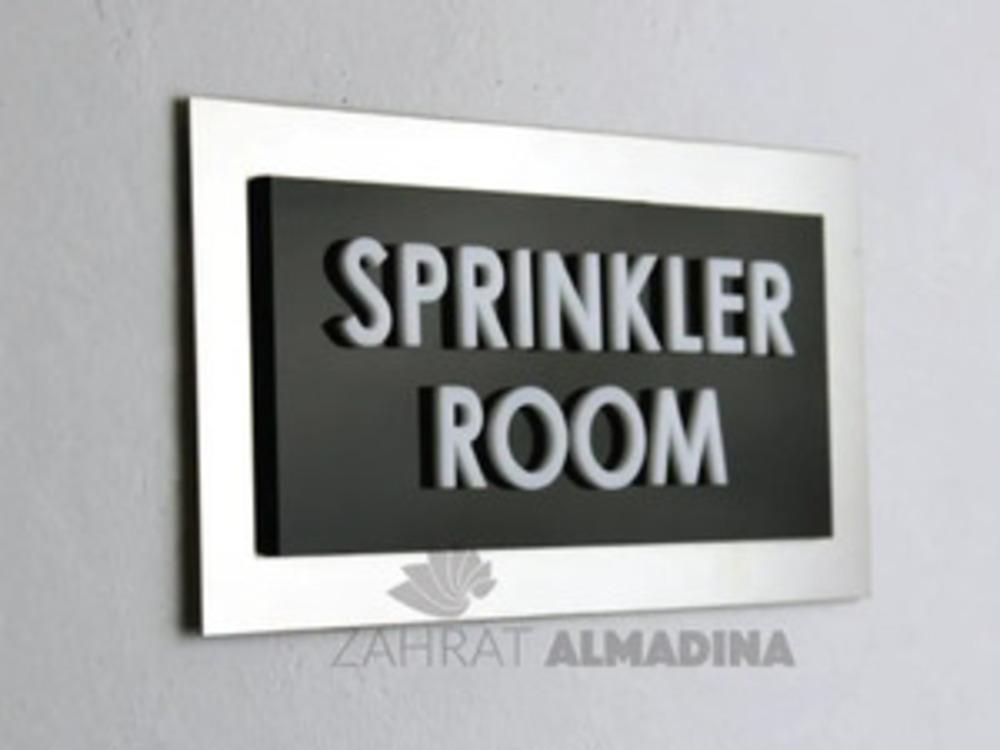
A well-organised workplace makes it easier for employees, clients, and visitors to find the right people and places. Simple identification details can make a noticeable difference, especially in buildings with several departments, meeting rooms, and private offices. A name plate provides this information in a clear and practical format while contributing to the appearance of the workplace. From a small sign on an employee's desk to a display outside a manager's office, the right design helps people identify spaces without unnecessary confusion.
Office identification is not limited to displaying employee names. It can include job titles, department names, room numbers, professional designations, and other useful details. The material, size, lettering, and placement should suit the environment in which the plate will be used. A consistent approach also helps create a professional appearance throughout the building.
1. Why a Name Plate Matters in a Professional Workplace
In a busy office, visitors may need to locate a particular employee, attend a meeting, or find a specific department. Without clear identification, they may have to ask reception staff for directions or enter the wrong room.
A properly placed name plate makes these tasks easier. It provides information at the point where people need it, reducing uncertainty and helping the workplace operate smoothly.
Main purposes of office identification plates
-
Employee identification: Shows the name and role of the person occupying an office or desk.
-
Room identification: Marks meeting rooms, private offices, and shared workspaces.
-
Department identification: Helps visitors locate finance, administration, human resources, and other departments.
-
Visitor guidance: Makes it easier to find the correct person or destination.
-
Workplace organisation: Creates a consistent system for identifying different areas.
For example, a business with several consultation rooms can display a name and room number outside each door. Visitors can then confirm their destination before entering. This is particularly useful in clinics, law firms, educational institutions, and professional service offices.
2. Choosing an Office Name Plate Maker for the Right Requirements
Selecting an office name plate maker involves more than comparing designs or prices. Businesses should consider the quality of materials, available production methods, accuracy of information, finishing, and installation requirements.
A supplier should understand how the plates will be used and recommend suitable options for the workplace. A small desk plate, for example, has different requirements from a large metal sign installed outside a department.
What to consider before choosing a maker
Material options: Check whether the supplier offers acrylic, aluminium, stainless steel, PVC, or other suitable materials. Different workplaces may need different finishes.
Production methods: Printing, engraving, and raised lettering create different appearances. The method should suit the material and the amount of detail in the design.
Customisation: Some offices require only a person's name, while others need a logo, job title, department, or room number.
Consistency: When ordering several plates, the fonts, colours, dimensions, and layouts should follow the same design system.
Installation: Confirm whether the plates will use adhesive, screws, stand-off fittings, or another mounting method.
Why sample approval is useful
Before approving a large order, businesses should review a sample or digital proof. This helps them check the lettering, spelling, colour, dimensions, and overall appearance.
For instance, a company preparing signs for twenty offices may use one approved layout for all plates. Only the names and room details need to change. This reduces design differences and makes future replacements easier.
3. Understanding Different Types of Office Door Name Plates
Office door name plates help visitors identify individual rooms and understand who works in each space. Their design should make information easy to read without distracting from the surrounding interior.
The most suitable style depends on the type of workplace, the door material, and the information that needs to be displayed.
Individual employee plates
These plates usually display an employee's name and job title. They are common outside private offices used by managers, directors, consultants, and department heads.
A simple layout is often best. The name should be the main element, while the job title can appear in smaller lettering below it.
Department identification plates
Larger workplaces may use plates to identify departments rather than individual employees. Examples include Human Resources, Accounts, Operations, and Customer Service.
These signs remain useful even when staff members change roles. They can also help visitors locate the right area without knowing an employee's name.
Meeting room signs
Meeting rooms often need a room name, number, or availability indicator. Some organisations use signs that show whether a room is occupied or available.
A business with several meeting rooms might use names such as Cedar, Pearl, and Horizon instead of relying only on numbers. Consistent signs outside each room make the system easier to understand.
Privacy and access signs
Certain offices require signs indicating restricted access, private consultations, or staff-only areas. These messages should be direct and readable. In some environments, additional access-control or safety information may also be necessary.
4. Selecting the Right Material for Office Plates
Material selection affects the appearance, durability, and maintenance of an office identification system. A plate used on a reception wall may need a different finish from one installed on a frequently used office door.
Acrylic
Acrylic is popular for modern office interiors because it offers a smooth surface and can be produced in different colours and thicknesses. Clear, frosted, and coloured options allow businesses to match their interior design.
It can be printed, engraved, or layered to create raised lettering. For example, a company may choose clear acrylic with dark text for meeting room signs and a matching coloured panel for its reception area.
Stainless steel
Stainless steel provides a metallic appearance and is often used in corporate offices, hotels, clinics, and professional buildings. Brushed and polished finishes offer different visual effects.
Engraved lettering can create a neat identification plate, while raised lettering can add depth. The surface should be selected according to the desired appearance and cleaning requirements.
Aluminium
Aluminium is a relatively lightweight metal that can be used for office doors, department panels, and directional signs. It can be printed or finished in different colours.
Its suitability depends on the thickness, coating, installation method, and expected use. It is also useful for some outdoor identification applications when the finish is appropriate.
PVC
PVC is a lightweight option for selected indoor signs. It can be cut into different shapes and printed with text or graphics. Businesses should check the thickness and rigidity before selecting it for larger plates.
| Material | Common office use | Main advantage |
|---|---|---|
| Acrylic | Doors, reception areas, room signs | Flexible design and smooth finish |
| Stainless steel | Executive offices and premium interiors | Metallic appearance |
| Aluminium | Department and directional signs | Lightweight construction |
| PVC | Basic indoor identification | Lightweight and adaptable |
5. Designing Plates That Are Easy to Read
A professional design should communicate information quickly. Decorative details can improve appearance, but they should never make the name or room information difficult to understand.
Use readable fonts
Simple typefaces are generally suitable for office identification. Very thin, decorative, or tightly spaced lettering may be difficult to read from a corridor.
The font size should reflect the viewing distance. A plate positioned beside a door can use smaller text than a sign intended to be read from across a large reception area.
Choose suitable colour contrast
Text and background colours should be different enough to remain clear. Dark lettering on a light background and light lettering on a dark background are common approaches.
For example, a business with a dark interior wall may use a light acrylic plate with dark text. A brushed metal panel may work better with engraved or high-contrast lettering.
Keep information organised
The most important information should receive the greatest attention. A typical employee plate might contain:
-
Employee name.
-
Job title.
-
Department, if necessary.
Adding unnecessary details can make the design crowded. Phone numbers, long descriptions, and multiple decorative elements are usually better placed elsewhere.
Consider accessibility
Identification signs should be positioned where visitors can see them easily. Text should be legible, and important information should not rely only on colour. In buildings with accessibility requirements, businesses should check applicable local standards for sign height, contrast, tactile information, and other relevant features.
6. Planning a Consistent Identification System Across the Office
A collection of individually designed plates may look disorganised when installed throughout the same building. A consistent system creates a more professional appearance and helps visitors understand how the workplace is arranged.
The first step is to prepare a list of every location that needs identification. This may include private offices, meeting rooms, departments, shared workspaces, reception areas, and restricted-access rooms.
Create a standard design
The organisation should decide on a standard font, colour scheme, plate dimensions, and layout. Different types of signs can have variations while still sharing the same visual style.
For example:
-
Employee plates display a name and job title.
-
Meeting room plates show a room name and number.
-
Department signs display the department title.
-
Restricted-area signs use clear access messages.
Prepare accurate information
Names and job titles should be checked by the relevant department before production. This is especially important for large orders where many plates contain different details.
A spreadsheet can help organise the information. Each row can contain the room number, employee name, department, and required plate type. This makes it easier to check the final artwork against the approved list.
7. Printing, Engraving, and Other Production Methods
The production method affects the appearance and suitability of the finished plate. Businesses should select a process according to the material, design, quantity, and expected use.
Printing
Printing is useful when the design includes coloured logos, symbols, or detailed graphics. It can be applied to suitable prepared surfaces, including acrylic, PVC, and selected metal panels.
Before production, the artwork should be checked at its actual size. Small text and thin lines may look clear on a computer screen but become difficult to read when printed.
Engraving
Engraving creates text or designs by marking or removing part of the material's surface. It is commonly used on metal and acrylic plates.
This method is suitable for designs that need a permanent, defined appearance. The final result depends on the material, engraving depth, and finishing process.
Raised lettering
Individual letters can be produced separately and attached to a base panel. This creates a dimensional appearance that can be useful for reception displays and selected office doors.
For example, a company may use raised lettering for its main reception sign and smaller engraved plates for individual departments.
Businesses comparing local production options may review examples from suppliers such as Zahrat Al Madina Printing alongside other providers to understand available materials, finishes, and production methods.
8. Common Mistakes to Avoid When Ordering Office Plates
A few simple checks can prevent unnecessary replacements and installation problems.
Incorrect spelling or job titles
Every name, title, and department should be confirmed before production. Even a minor spelling error can make a plate unusable.
Inconsistent dimensions
Using different sizes without a clear reason can make the office look disorganised. Standard dimensions should be selected for similar types of plates.
Unsuitable fixing methods
A plate attached to glass, painted walls, metal doors, and wooden surfaces may require different fixing methods. The mounting system should be suitable for the surface and the plate's weight.
Poor placement
A plate hidden behind an open door, decorative feature, or furniture will not provide useful information. The installation position should be checked from the visitor's normal approach.
Ignoring future changes
Employee names and department arrangements can change. Businesses should consider whether plates can be updated without replacing the entire holder or panel.
9. Maintaining and Updating Office Identification Plates
Regular maintenance helps keep office signs readable and presentable. Dust, fingerprints, scratches, and loose fittings can affect their appearance over time.
Cleaning products should be suitable for the selected material. Acrylic surfaces, for example, can be scratched by rough cloths, while metal finishes may require specific care to avoid visible marks.
Businesses should also review their identification system whenever employees move offices, departments change names, or meeting rooms are reassigned. Updating the signs at the same time as the workplace changes prevents visitors from following outdated information.
Keeping a record of the materials, dimensions, colours, and artwork used for each plate makes future replacements easier. It also helps maintain consistency when a company expands or opens another branch.
Conclusion
Office identification plates help employees and visitors recognise people, rooms, and departments without confusion. The right design depends on the workplace layout, material, information, and installation location. Working with a suitable office name plate maker can help businesses choose appropriate production methods and maintain a consistent appearance across their premises. By planning the layout, checking every name, selecting durable materials, and reviewing signs regularly, organisations can create an office environment that is easier to navigate and more organised.

 English
 Arabic
 Spanish
 Portuguese
 Deutsch
 Turkish
 Dutch
 Italiano
 Russian
 Romaian
 Portuguese (Brazil)
 Greek