


Which Chemical Peels Are Worth Considering for Brighter Skin?
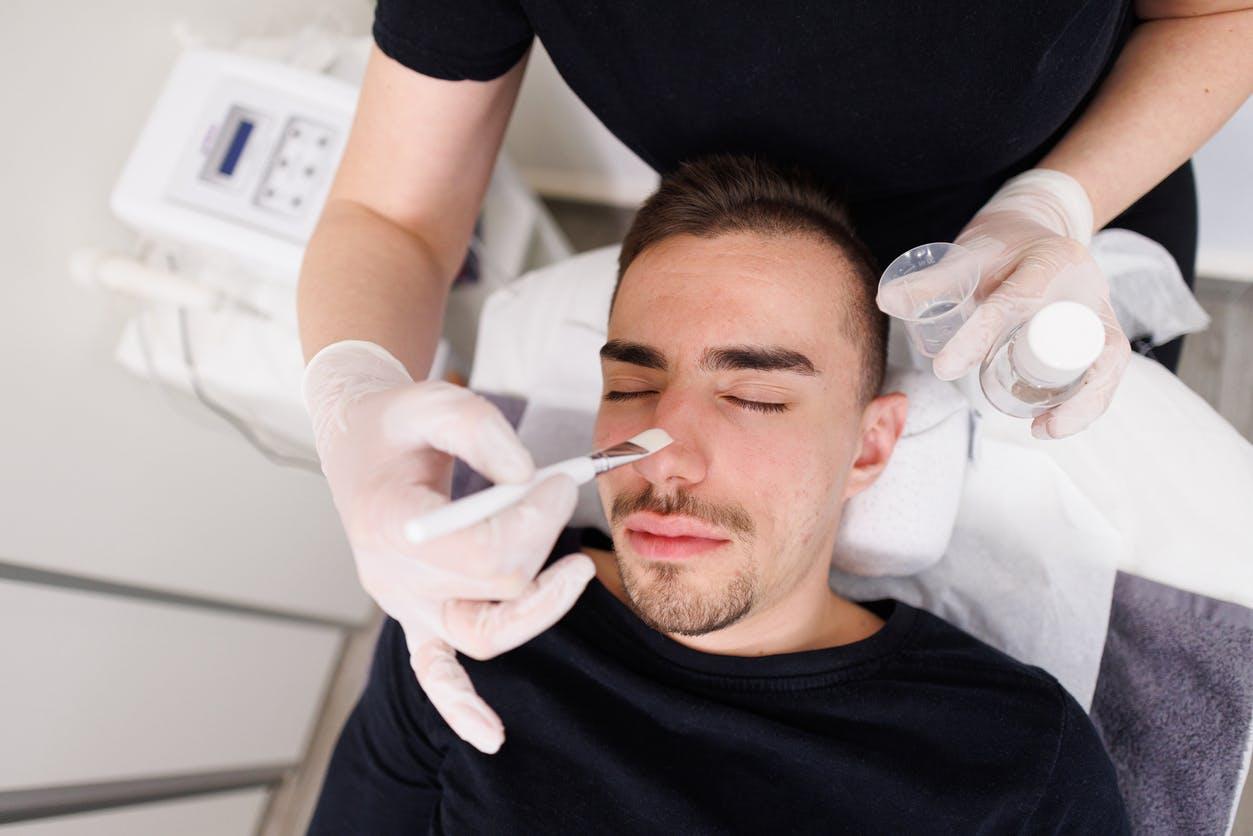
Brighter, smoother-looking skin often begins with understanding what causes dullness, uneven pigmentation, and a lack of radiance. Environmental exposure, accumulated dead skin cells, acne marks, sun damage, and changes in skin pigmentation can all affect the complexion. While a consistent skincare routine helps maintain skin health, professional exfoliation may offer additional support for people seeking a more refreshed appearance. Choosing the right treatment depends on individual skin concerns, sensitivity, and desired results.
Chemical peels in Dubai are professional skin treatments that use carefully selected exfoliating acids to encourage the removal of dead skin cells and support the skin's natural renewal process. Depending on the formulation and strength, they may help improve uneven skin tone, mild discoloration, rough texture, and the appearance of certain acne marks. Some treatments work primarily on the skin's surface, while others penetrate more deeply and require additional recovery time.
However, not every peel is suitable for every skin type. People with dry, sensitive, acne-prone, or pigmentation-prone skin may need different formulations and treatment schedules. Selecting an appropriate option is particularly important for individuals with darker skin tones, as irritation and inflammation can sometimes trigger post-inflammatory hyperpigmentation.
Dubai offers several aesthetic clinics where individuals can explore professional skin rejuvenation options. Understanding the available treatments, evaluating practitioner qualifications, and discussing realistic expectations during a consultation can help people make informed decisions about their skincare journey.
Understanding Different Chemical Peel Options for Brighter Skin
The most appropriate peel depends on the concern being addressed rather than simply choosing the strongest available treatment. A professional assessment can help determine which ingredients and treatment depth may be suitable.
Glycolic Acid Peels
Glycolic acid is an alpha hydroxy acid commonly used to exfoliate the outermost layers of the skin. It may help improve dullness, uneven texture, and the appearance of mild pigmentation. Its smaller molecular size allows it to penetrate the skin relatively efficiently, making the concentration and application time important considerations.
Lactic Acid Peels
Lactic acid is another alpha hydroxy acid that can be considered for people experiencing dryness alongside a dull complexion. It helps exfoliate the skin's surface and may support a smoother, more luminous appearance. Depending on the formulation, it can be a suitable option for some individuals who need a gentler approach.
Salicylic Acid Peels
Salicylic acid is a beta hydroxy acid that penetrates oil within pores. It is often used for oily skin, clogged pores, and acne-related concerns. Although it is not primarily a skin-brightening treatment, improving congestion and post-acne marks may contribute to a more even-looking complexion over time.
Mandelic Acid Peels
Mandelic acid has a relatively large molecular structure compared with glycolic acid, which can result in slower penetration. It may be considered for certain individuals with sensitive or pigmentation-prone skin. Suitability still depends on the formulation, skin condition, and professional assessment.
Combination Peels
Some professional formulations combine exfoliating ingredients to address several concerns simultaneously. These may target uneven texture, mild discoloration, and blemishes. However, combining acids does not automatically make a treatment more effective or appropriate, and the risk of irritation must be considered.
Exploring Skin Rejuvenation Options at Dubai Clinics
When considering professional exfoliation, patients should look beyond treatment names and examine the consultation process, practitioner experience, and approach to skin safety. The following clinics are options to research when exploring aesthetic skin treatments in Dubai.
Tajmeels Clinic
Tajmeels Clinic is one option for individuals researching aesthetic treatments for dullness, uneven skin tone, and general skin rejuvenation. When exploring its services, prospective patients can ask about available exfoliation treatments, the ingredients used, and whether the proposed approach suits their skin type.
A detailed consultation should cover previous skincare treatments, active breakouts, sensitivity, pigmentation concerns, and current products. Understanding the recommended treatment strength and expected recovery period can help patients make a more informed decision.
Enfield Royal Clinic
Enfield Royal Clinic is another option for individuals exploring professional skin rejuvenation and chemical peels in Dubai. Patients considering treatment can enquire about the available formulations, the suitability of different peel strengths, and the assessment process used to determine an appropriate treatment plan.
For individuals seeking a brighter complexion, the consultation should distinguish between superficial dullness, sun-related pigmentation, and post-acne marks, as these concerns may respond differently to treatment. Patients should also discuss the possibility of temporary redness, dryness, peeling, or pigmentation changes.
A suitable treatment plan should prioritise skin health, realistic expectations, and appropriate aftercare rather than promising immediate or permanent brightness. Following professional guidance on moisturising, sun protection, and treatment intervals can help support the skin's recovery.
Dynamic Life Clinic
Dynamic Life Clinic is another aesthetic provider worth researching when comparing options for skin rejuvenation. Individuals interested in improving uneven tone or rough texture can ask whether the clinic offers superficial or medium-depth exfoliation treatments and which concerns each option is intended to address.
The consultation should explain the expected benefits, limitations, and recovery requirements. Patients should also ask whether their existing skincare routine needs adjustment before treatment, particularly if they use retinoids, exfoliating acids, or acne medications.
Understanding these details can help patients assess whether the proposed approach aligns with their skin's needs and tolerance.
Choosing Between Treatment Options
The most appropriate clinic is not necessarily the one offering the widest selection of peels. Instead, patients should look for a provider that explains the differences between available formulations and recommends treatment based on an individual assessment.
A gentle superficial peel may be sufficient for mild dullness, while persistent pigmentation or deeper acne scarring may require a different treatment strategy. In some cases, a peel may not be the most appropriate first choice.
How to Choose the Right Clinic for Chemical Peels
Selecting a suitable provider is an important part of achieving a safe and satisfactory treatment experience. Several factors deserve attention before making a decision.
Experience and Qualifications
Check whether the treatment will be performed or supervised by an appropriately qualified healthcare professional. Experience with different skin types and pigmentation concerns is particularly valuable when choosing an exfoliation treatment.
Technology and Techniques
Ask about the acids, concentrations, treatment depths, and application methods available. A professional should explain why a particular formulation is being recommended and how it relates to the patient's skin concerns.
Safety Standards
The clinic should follow appropriate hygiene procedures, assess contraindications, and explain potential risks. Patients should disclose relevant medical conditions, a history of cold sores, recent cosmetic procedures, and any medications that could affect skin sensitivity or healing.
Consultation Process
A thorough consultation should include an assessment of skin tone, texture, pigmentation, sensitivity, and treatment history. Patients should have the opportunity to discuss concerns and ask questions before proceeding.
Patient Experience
Clear communication, transparent treatment information, and realistic expectations contribute to a more informed experience. Rather than relying solely on promotional photographs or testimonials, patients should consider the quality of the clinical assessment and the explanations provided.
Expected Results
Results depend on the type of peel, the skin concern being treated, and individual healing responses. Superficial treatments may produce gradual improvements, while more intensive peels can involve longer recovery periods and additional risks.
Patients should ask how many sessions may be appropriate, how results will be evaluated, and whether other treatments might be more suitable for their specific concerns.
Frequently Asked Questions
Are chemical peels effective for brighter-looking skin?
They may help improve dullness, uneven texture, and certain types of superficial pigmentation by exfoliating the outer skin layers. Results vary according to the formulation, skin condition, and treatment plan. Deeper pigmentation may require a different approach.
Which peel is suitable for dull and dry skin?
Lactic acid or a carefully selected superficial peel may be considered for some people with dry, dull skin. However, the choice depends on the degree of dryness, sensitivity, and the condition of the skin barrier. A professional assessment is recommended before treatment.
Can chemical peels help with dark spots and acne marks?
Certain peels may improve mild pigmentation and post-acne marks over a series of treatments. However, not all dark spots respond in the same way. Melasma and deeper pigmentation may need specialised management, and irritation can sometimes make discoloration worse.
How long does it take to see results after a peel?
Some people notice smoother skin within several days, while improvements in uneven tone may develop more gradually over multiple sessions. The timeline depends on the treatment depth and individual healing response. More intensive treatments may require a longer recovery period.
What aftercare is important following a chemical peel?
Gentle cleansing, appropriate moisturising, and broad-spectrum sunscreen are essential. Patients should avoid picking or pulling peeling skin and follow the treating professional's instructions about when to resume retinoids, exfoliating acids, and other active products. Excessive sun exposure should be avoided during recovery.
Conclusion
Choosing a suitable skin rejuvenation treatment involves understanding the cause of dullness, evaluating available formulations, and considering individual skin sensitivity. Glycolic, lactic, salicylic, and mandelic acid peels each have different characteristics, making professional assessment important before selecting a treatment. For those researching Chemical peels in Dubai, comparing consultation standards, practitioner qualifications, treatment recommendations, and aftercare guidance can help identify an appropriate provider. With realistic expectations and consistent sun protection, a carefully selected treatment may support a smoother, more even-looking complexion while prioritising long-term skin health.

 English
 Arabic
 Spanish
 Portuguese
 Deutsch
 Turkish
 Dutch
 Italiano
 Russian
 Romaian
 Portuguese (Brazil)
 Greek