


Logo Canopy Tent: Features, Uses, Customization, and Important Considerations
-
Outdoor events often require temporary structures that provide shade, organize event spaces, and create a recognizable visual presence. A logo canopy tent serves these purposes by combining a portable shelter with printed branding elements. It is commonly used at trade shows, sporting events, farmers markets, festivals, community gatherings, and outdoor business activities.
A logo canopy tent typically features a folding metal frame and a fabric roof displaying a company logo, organization name, event identity, or custom graphic. Its design allows businesses and event organizers to establish a designated space while maintaining a consistent visual appearance.
In the United States, these structures are frequently found at outdoor exhibitions, promotional events, local markets, and sporting competitions. Their portability and customizable surfaces make them suitable for different environments where temporary shelter and visual identification are required.
Understanding the construction, customization options, applications, and maintenance requirements of a logo canopy tent can help determine its suitability for various outdoor activities.
What Is a Logo Canopy Tent?
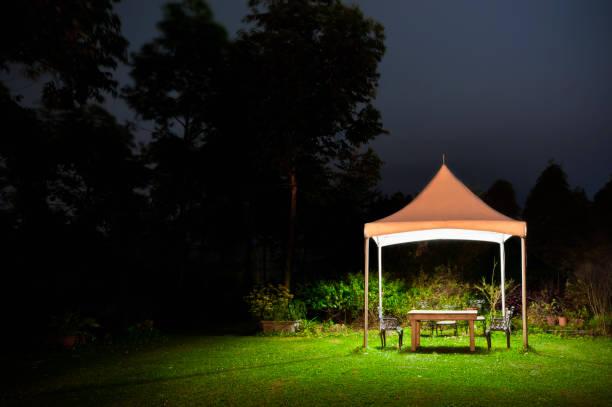
A logo canopy tent is a portable outdoor shelter featuring a printed logo or other identifying graphic on its canopy fabric. It generally consists of a collapsible support frame, a fabric roof, and optional sidewalls.
Many models are available in standard dimensions, including 10x10 feet, which provide approximately 100 square feet of covered space. Larger configurations may also be available depending on the intended application.
The frame is commonly manufactured from steel or aluminum, while the canopy fabric is generally made from polyester or similar synthetic materials. Printing techniques allow logos, text, colors, and other visual elements to be incorporated into the fabric.
Unlike ordinary temporary shelters, logo canopy tents include visual identification as part of their design. This makes them particularly relevant for organizations that need a recognizable outdoor event space.
Important Features of a Logo Canopy Tent
Several structural and design features influence the appearance, functionality, and usability of a logo canopy tent.
1. Custom Logo Printing
The primary distinguishing feature is the printed logo. Depending on the canopy design, the logo can appear on the roof panels, front valance, sidewalls, or multiple fabric sections.
Logo placement is important because different sections offer different levels of visibility. A graphic printed on the roof may be visible from a distance or elevated viewpoint, while a logo on the valance can be easier to notice from the front.
The artwork should have sufficient resolution to maintain clarity when enlarged. Appropriate spacing, color contrast, and font selection can also improve readability.
2. Durable Frame Construction
The frame supports the canopy fabric and maintains the structure's shape during use. Steel and aluminum are two commonly used materials.
Steel frames generally have a heavier construction and can provide substantial structural support. Aluminum frames are typically lighter, making them easier to transport and handle.
The quality of frame joints, connectors, and locking mechanisms also affects overall functionality. Regular inspection helps identify loose components, corrosion, or damaged support sections.
3. Weather-Resistant Canopy Fabric
The fabric covering provides shade and a degree of protection from outdoor conditions. Polyester is commonly used because it combines flexibility, manageable weight, and printing compatibility.
Some fabrics feature coatings designed to improve water resistance and ultraviolet protection. However, these properties vary depending on the material and manufacturing specifications.
A water-resistant canopy should not automatically be considered waterproof or suitable for severe weather conditions.
4. Portable and Collapsible Design
Most logo canopy tents are designed for temporary installation. Their folding frames allow them to collapse into compact configurations when not in use.
This construction makes transportation between event locations more convenient. Some models also include carrying bags or wheeled cases for storage and handling.
Portability is particularly useful for businesses, sports organizations, and event participants that attend multiple outdoor activities throughout the year.
5. Optional Sidewalls
Sidewalls can provide additional coverage and extend the available printing area. They may display logos, organization names, event information, or matching graphic designs.
Depending on the configuration, sidewalls can be installed on one or more sides of the canopy. They can also help define the interior space and reduce exposure to direct sunlight from certain directions.
However, enclosed configurations can increase wind resistance, making proper anchoring and weather assessment essential.
Common Uses of a Logo Canopy Tent
Logo canopy tents are used across several industries and outdoor event categories.
Trade Shows and Outdoor Exhibitions
Trade shows provide businesses with opportunities to display products, share information, and interact with visitors. Outdoor exhibitions often require participants to operate from designated booth spaces.
A logo canopy tent can create a clearly identifiable exhibition area. Its printed graphics help distinguish one booth from neighboring displays, while the covered space can accommodate tables, product samples, promotional materials, and seating.
Sporting Events
Sporting competitions frequently involve temporary stations for athletes, coaches, spectators, and event staff.
A logo canopy tent can serve as a registration booth, team gathering area, equipment station, or refreshment point. Sports organizations may incorporate team logos and colors to maintain a consistent visual identity.
These structures are also useful at marathons, charity walks, school sports competitions, and community tournaments.
Farmers Markets and Outdoor Markets
Farmers markets and craft fairs generally operate in open spaces where vendors require temporary shade.
A logo canopy tent can provide a designated selling area for merchandise, food products, handmade items, and informational displays. Printed logos can help identify individual vendors within a larger market environment.
The canopy can also support a more organized presentation of products and display materials.
Festivals and Community Events
Local festivals, school functions, charity activities, and neighborhood celebrations often involve multiple temporary booths.
A logo canopy tent can help identify information stations, volunteer areas, registration desks, and community organization booths.
Its visual elements can also be coordinated with other event materials to create a consistent appearance throughout the venue.
Outdoor Business Promotions
Businesses participating in outdoor product demonstrations, promotional activities, and public events may use logo canopy tents to establish temporary branded locations.
The covered space can accommodate demonstration equipment, brochures, display tables, and visitor interaction areas. The layout depends on the available footprint and the nature of the activity.
How to Design an Effective Logo Canopy Tent
The design of a logo canopy tent involves more than simply placing a logo on fabric. Several factors influence how clearly the design appears when the structure is assembled.
Logo placement: The logo should be positioned where it remains visible from the expected viewing direction. Roof panels, valances, and sidewalls offer different placement opportunities.
Color selection: The canopy background should provide sufficient contrast with the logo. This helps maintain visibility in outdoor environments with changing lighting conditions.
Typography: Clear and appropriately sized lettering is generally easier to read from a distance than decorative or overly complicated fonts.
Artwork quality: High-resolution vector artwork is often suitable for large-format printing because it can be scaled without losing image clarity.
Design consistency: Matching colors, fonts, and graphic elements across the roof and sidewalls can create a coordinated appearance.
Choosing the Appropriate Canopy Size
The required dimensions depend on the intended use and the amount of equipment that needs to fit underneath the structure.
A 10x10-foot logo canopy tent provides approximately 100 square feet of covered space. It can accommodate a table, chairs, display materials, and a limited number of visitors.
Larger setups may require additional space for product demonstrations, multiple tables, or equipment storage.
Before selecting a size, event organizers should measure the installation area and review the venue's booth dimensions. Adequate clearance should also be maintained around support legs and nearby structures.
Setup and Installation Process
Most pop up logo canopy tents follow a similar installation procedure, although the exact process depends on the frame design.
- Select the location: The ground should be level and clear of obstacles.
- Position the frame: Place the folded structure in the designated installation area.
- Expand the frame: Carefully extend the folding supports according to the manufacturer's instructions.
- Position the canopy fabric: Attach or unfold the printed canopy top as required.
- Secure the locking mechanisms: Check that the designated frame locks are properly engaged.
- Adjust the legs: Extend the support legs to the required height.
- Anchor the structure: Use suitable weights, stakes, or approved anchoring equipment based on the surface conditions.
Having two or more people assist with installation can make the process easier and help prevent unnecessary stress on the frame.
Maintenance and Storage Requirements
Proper maintenance helps preserve the printed graphics, fabric, and structural components of a logo canopy tent.
The canopy fabric should be cleaned according to the manufacturer's care instructions. Mild cleaning solutions and soft cloths are generally preferable to abrasive materials that could damage the printed surface.
The fabric must be completely dry before folding and storage. Storing damp material can contribute to mold and mildew development.
The frame should be inspected for bent supports, loose connections, damaged joints, and corrosion. Moving components should be maintained according to the manufacturer's recommendations.
When not in use, the structure should be stored in a dry location, preferably inside a suitable carrying case.
Weather and Safety Considerations
A logo canopy tent is designed primarily for temporary outdoor coverage. Its ability to withstand environmental conditions depends on the frame construction, fabric specifications, and anchoring system.
Wind is an important safety consideration because the canopy fabric can catch gusts and place pressure on the frame. Proper anchoring is essential, but it does not make the structure suitable for severe weather.
The canopy should be taken down when conditions exceed its specified operating limits. It should never be used during thunderstorms or lightning events.
Regular inspection of the frame, fabric, connectors, and anchoring equipment can help identify potential problems before installation.
Conclusion
A logo canopy tent combines portable shelter with customizable visual identification, making it suitable for trade shows, sporting events, farmers markets, festivals, and outdoor business activities.
Its functionality depends on several factors, including frame construction, canopy fabric, logo placement, printing quality, dimensions, and anchoring requirements. Proper installation, regular maintenance, and appropriate weather precautions also contribute to its usability.
By understanding these features and considerations, businesses, organizations, and event organizers can evaluate how a logo canopy tent fits their outdoor space, branding, and event requirements.

 English
 French
 Spanish
 Portuguese
 Deutsch
 Turkish
 Dutch
 Italiano
 Russian
 Romaian
 Portuguese (Brazil)
 Greek