


Why Circular Red Spots on Skin Appear and What to Do
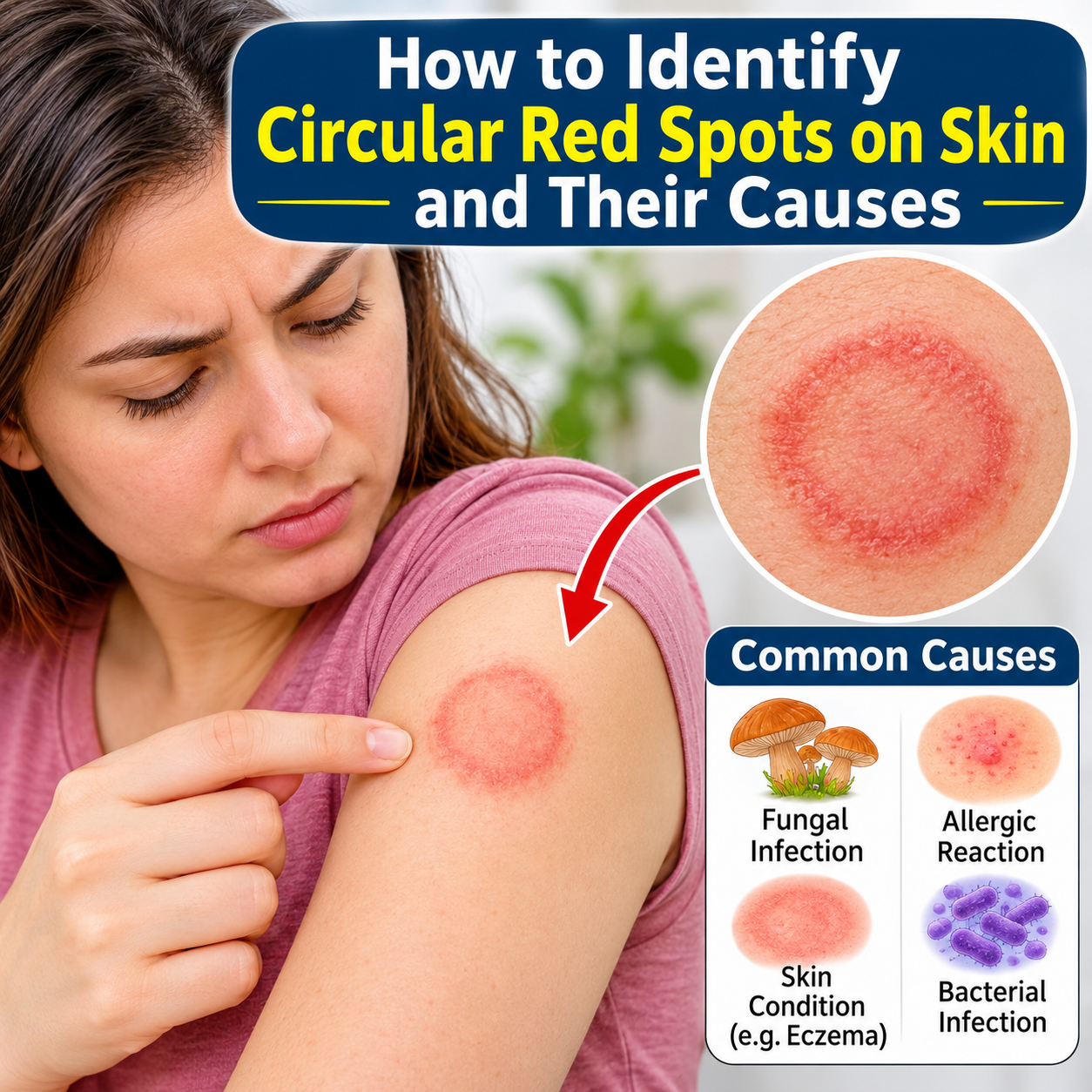
Circular Red Spots on Skin can be worrying, especially when they appear suddenly, spread, itch, or develop a raised edge. The shape is a clue, not a diagnosis. Causes include fungal infection, inflammation, allergy, and granuloma annulare. Colour varies across skin tones.
Note its pattern and symptoms, and seek advice if it persists, spreads, or hurts. Not every ring-shaped mark is ringworm, and the wrong cream can worsen some infections.
What Do Circular Red Spots Look Like?
Circular Red Spots on Skin may be flat, raised, smooth, scaly, or made of tiny bumps. Some have a clearer centre and a noticeable border; others form overlapping rings.
Notice these details:
-
Border: Is it raised, sharply defined, flaky, or fading into nearby skin?
-
Centre: Is the middle clear, darker, lighter, dry, or unchanged?
-
Surface: Does it feel smooth, thick, rough, blistered, or scaly?
-
Sensation: Is there itching, burning, tenderness, or no discomfort?
-
Change: Is the patch growing, multiplying, fading, or changing colour?
Photograph it in natural light and note when it appeared. Avoid scratching or rubbing, which can alter its appearance.
Common Reasons These Marks Develop
1. Ringworm
Ringworm, also called tinea corporis, is a fungal infection rather than an infection caused by a worm. It often produces an expanding, round or oval patch with a scaly, slightly raised edge. The centre may look clearer as the outer edge spreads. It can itch, although not everyone experiences itching.
It spreads through contact with an infected person, animal, or contaminated towel, clothing, or bedding. Warm, damp skin encourages fungal growth. It may affect the body, face, or scalp; scalp infection can cause scaling and patchy hair loss.
A pharmacist or doctor can recommend an antifungal cream or other medicine. Complete the advised course. Do not share towels or clothing, and wash hands after touching the area.
2. Granuloma Annulare
Granuloma annulare is an inflammatory skin condition that commonly forms a ring of small, firm bumps. The bumps may be pink, reddish, purple, or close to the person's natural skin colour. The patches often appear on the backs of the hands, fingers, feet, or elbows. They are usually not scaly and may cause little or no itching.
Unlike ringworm, it is not contagious or fungal. Its cause is unclear. Localised patches may fade without treatment, sometimes slowly, and can return. A dermatologist should assess widespread or persistent cases.
People sometimes search for Herbal Supplements for Granuloma Annulare when looking for gentle options. However, there is not reliable clinical evidence that supplements cure this condition or make its patches disappear. Supplements can also interact with medicines or cause side effects. Discuss any product with a qualified healthcare professional, particularly during pregnancy, while breastfeeding, or if you take regular medication.
3. Nummular Eczema
Nummular eczema, also called discoid eczema, causes coin-shaped areas of inflamed skin. The patches can be red, brown, or darker than nearby skin and may feel very itchy. They often become dry, cracked, crusted, or scaly. In some cases, small blisters or fluid may develop.
Dryness and irritation can contribute to flare-ups. The condition is not contagious. Care may include moisturising, avoiding harsh soaps, and prescribed anti-inflammatory cream. Scratching can damage skin; keep nails short and try cool compresses.
4. Contact Dermatitis
Contact dermatitis develops when the skin reacts to an irritating substance or an allergen. Common triggers include fragranced products, detergents, cleaning chemicals, metals, adhesives, and some cosmetics. The rash may follow the shape of the object or product that touched the skin. It can be itchy, sore, swollen, dry, or blistered.
Stop the suspected product and rinse gently. Avoid trying several creams at once. A clinician can distinguish irritation from allergy and advise whether patch testing is useful.
5. Psoriasis
Plaque psoriasis usually causes well-defined, thickened patches with surface scale. The patches are often found on elbows, knees, scalp, or lower back, but they can occur elsewhere. They are not always circular, yet some plaques may look round. Skin tone affects their colour and the amount of visible redness.
Psoriasis is an immune-mediated condition, not an infection. It can run in families and flare after illness, skin injury, stress, or certain medicines. Treatment depends on severity.
6. Pityriasis Rosea
Pityriasis rosea often begins with one larger oval patch, sometimes called a herald patch. Days later, smaller oval marks may appear across the chest, back, or abdomen, sometimes following the natural lines of the skin. The rash can be mildly itchy and may look pink, red, brown, or violet.
It often clears over several weeks. Seek advice if the diagnosis is uncertain, symptoms are severe, or it develops during pregnancy.
7. Insect Bites and Other Reactions
Some insect bites produce round, itchy bumps or patches, particularly when several bites appear close together. The centre may have a tiny puncture mark. Reactions can vary with the insect and the person's sensitivity. A bite that becomes increasingly painful, hot, swollen, or filled with pus may be infected and should be assessed.
Other causes include viral rashes and medication reactions. Never stop a prescribed medicine yourself; contact the prescriber if a rash appears after starting it.
How to Tell the Main Causes Apart
Circular Red Spots on Skin can guide questions, but appearance cannot confirm a diagnosis. A scaly edge that gradually expands may suggest a fungal infection. A ring made of firm, smooth bumps may fit granuloma annulare. Coin-shaped, itchy, dry patches may point towards nummular eczema. A rash that follows contact with a watch, jewellery, or cosmetic may suggest contact dermatitis.
Consider the full picture rather than relying on shape alone:
-
Itch: Common with fungal infection, eczema, bites, and contact reactions.
-
Scale: Often present with ringworm, eczema, or psoriasis.
-
Smooth bumps: Can occur with granuloma annulare.
-
Spread: A growing outer edge may occur with ringworm; widespread patterns have other causes.
-
Exposure: Recent contact with an infected person, pet, product, or medicine may be relevant.
These clues overlap. A clinician may ask about your health, medicines, travel, pets, and exposures.
How a Dermatologist Makes a Diagnosis
A dermatologist examines the rash and asks when it began, whether it itches or hurts, and how it changed. Mention new medicines, products, illness, animal contact, or similar rashes in close contacts.
If a fungal infection is suspected, the clinician may gently scrape a small amount of scale for examination under a microscope or laboratory testing. This can help distinguish ringworm from conditions that look similar. A biopsy may be considered if the diagnosis remains uncertain. Blood tests are only used when the history or examination suggests another issue.
An accurate diagnosis matters because treatment differs. Antifungal medicine does not treat eczema, while steroid creams used without guidance can disguise or worsen some fungal infections.
What to Do at Home
If Circular Red Spots on Skin appear, keep care simple until the cause is known.
-
Clean gently. Wash with lukewarm water and a mild, fragrance-free cleanser. Pat dry instead of rubbing.
-
Avoid scratching. Use a cool, clean compress for short periods if the area feels itchy.
-
Pause new products. Stop non-essential fragranced lotions, exfoliants, and cosmetics on the affected skin.
-
Moisturise dry skin. A plain, fragrance-free moisturiser may help when dryness is present, but it will not treat a fungal infection.
-
Reduce possible spread. If ringworm is suspected, do not share towels, clothing, bedding, razors, or sports equipment. Wash items regularly.
-
Track changes. Photograph the area every few days in similar lighting and note whether it grows, becomes painful, or develops new symptoms.
Never apply bleach, strong acids, undiluted essential oils, or household disinfectants. Avoid steroid combination creams unless advised for your diagnosed condition.
Medical Treatments Depend on the Cause
Circular Red Spots on Skin caused by fungus need antifungal medicine. Limited body patches may respond to topical treatment; scalp, beard, nail, extensive, or resistant infection may need prescription medicine. Complete the course and seek review if it fails.
Eczema and contact dermatitis may be managed with moisturisers, trigger avoidance, and prescribed anti-inflammatory medicines. Psoriasis care may include topical medicines, phototherapy, or systemic treatment. Limited, symptom-free granuloma annulare often needs no treatment; persistent or widespread cases may need dermatologist-led options.
Do not borrow another person's prescription cream. The same-looking rash can have a different cause, and the wrong treatment may complicate diagnosis.
When Should You Seek Medical Advice?
Arrange a routine appointment if the rash lasts more than a few weeks, keeps returning, spreads, or does not respond to appropriate care. Get checked sooner if it affects the face, scalp, genitals, or a large area; causes hair loss; or occurs when your immune system is weakened.
Seek urgent medical care if a rash is accompanied by difficulty breathing, swelling of the lips or tongue, faintness, or rapidly worsening illness. These may signal a serious allergic reaction. Prompt assessment is also important for a rash with fever, severe pain, rapidly spreading redness, warmth, pus, red streaks, extensive blistering, or skin peeling. A rash involving the eyes or mouth, or appearing after a new medicine with fever or facial swelling, also needs urgent evaluation.
A spot that bleeds, forms an ulcer, changes quickly, or does not heal should be examined rather than repeatedly treated at home.
Prevention and Everyday Skin Care
Not every cause can be prevented, but sensible habits can reduce irritation and some infections. Keep skin folds dry, change out of sweaty clothing, and avoid sharing personal items. Wear sandals in communal showers if fungal foot infections are common in your environment. If a household member or pet has a suspected fungal infection, arrange appropriate assessment and clean shared fabrics.
Choose fragrance-free products if prone to irritation. Introduce products one at a time, moisturise dry skin, and protect exposed areas from sun. Avoid scrubbing.
For recurring patches, record flare-ups, products, medicines, and possible exposures.
Choosing Skin Products Carefully
People may encounter products marketed for skin comfort or general wellness, including items from Herbal Care Products. Read ingredient lists, follow label directions, and be cautious with promises that a product can remove a rash, cure a fungal infection, or treat an inflammatory skin condition. Natural does not automatically mean safe or effective.
Ask a pharmacist or dermatologist before applying a new product to a rash. Stop if burning, swelling, or redness worsens. Persistent patches need assessment, not repeated product trials.
Frequently Asked Questions
Are all round red patches ringworm?
No. Eczema, granuloma annulare, psoriasis, and contact dermatitis can also look round. A clinician can decide whether testing is needed.
Can a fungal rash disappear without treatment?
Some mild rashes may change over time, but an untreated fungal infection can persist or spread to other body areas or people. Ask a pharmacist or clinician about appropriate antifungal care rather than waiting indefinitely.
Is granuloma annulare contagious?
No. Granuloma annulare is an inflammatory skin condition and does not spread through touch. However, a similar-looking rash could be ringworm, which can spread, so confirmation is worthwhile.
Should I use steroid cream on a circular rash?
Not unless a healthcare professional has advised it after assessing the rash. Steroids can help some inflammatory conditions, but they may hide signs of fungal infection and allow it to spread.
How long will the marks take to clear?
Timing depends on the cause. Fungal infection may improve within weeks; inflammatory conditions can take longer. Seek review if it worsens or fails to improve.
Final Thoughts
Circular Red Spots on Skin describe a pattern, not a diagnosis. Look for changes in its edge, surface, colour, and sensation, but remember that several skin conditions can look alike. Gentle care, avoiding unproven remedies, and seeking timely advice can prevent unnecessary irritation and delays. If you are unsure what has caused the mark, have it examined before choosing a treatment. The right approach starts with identifying the cause, then following care suited to that condition.

 English
 Arabic
 French
 Spanish
 Portuguese
 Deutsch
 Turkish
 Dutch
 Russian
 Romaian
 Portuguese (Brazil)
 Greek