


General Repairs: Keep Your Home in Excellent Condition
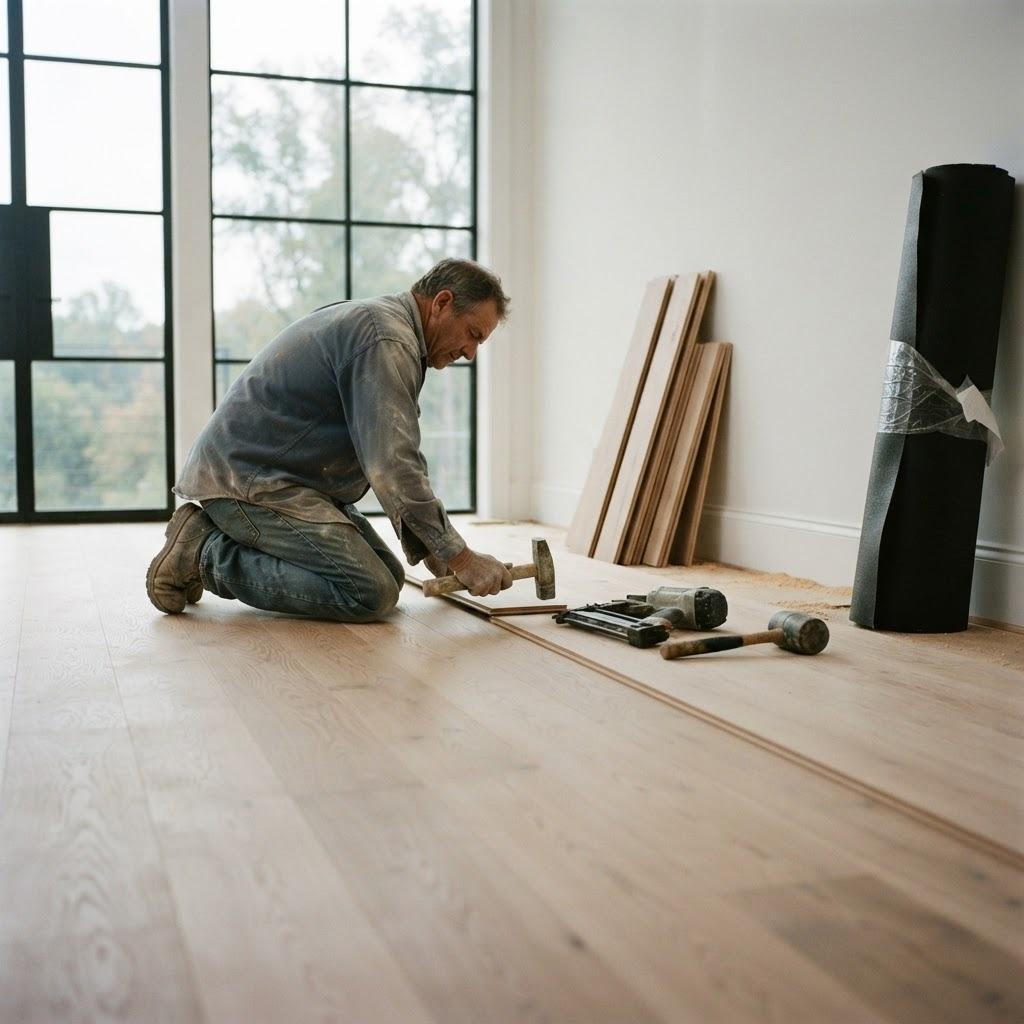
Every home and commercial property needs occasional repairs to remain safe, comfortable, and functional. Daily use, changing weather conditions, aging materials, and accidental damage can gradually affect different parts of a building. General repairs help address these problems, restore damaged areas, and prevent minor issues from becoming more expensive projects.
From fixing doors and repairing drywall to replacing damaged trim and addressing loose fixtures, timely repairs can make a significant difference in the appearance and performance of your property.
What Do General Repair Services Include?
General repair services cover a variety of maintenance and improvement tasks throughout a property. These may include repairing walls, fixing doors and cabinets, replacing damaged hardware, patching holes, repairing trim, and addressing minor flooring problems.
Some contractors also coordinate specialized plumbing, electrical, or other trade services when a problem requires additional expertise.
The purpose of general repairs is to restore the affected area to proper working condition while helping maintain the overall quality of the building.
Common General Repair Services
Wall and Ceiling Repairs
Walls and ceilings can develop cracks, dents, holes, and damaged paint over time. These problems may result from furniture impacts, normal building movement, or moisture exposure.
Repair work may involve patching drywall, filling small cracks, sanding uneven areas, and repainting the affected surface. If moisture or structural movement is responsible, the underlying issue should be investigated before the finish is restored.
Door and Window Repairs
Doors and windows may become difficult to open, close, or lock because of loose hardware, worn hinges, alignment problems, or damaged components.
Repair services can include adjusting hinges, replacing handles, securing frames, and repairing suitable damaged trim. Properly functioning doors and windows improve convenience and can help reduce unwanted drafts.
Cabinet and Fixture Repairs
Loose cabinet doors, damaged drawer slides, broken handles, and unstable shelves are common household problems. Replacing worn hardware or securing loose components can restore functionality without requiring complete replacement.
Professional repairs are particularly useful when cabinetry is expensive, built into the property, or difficult to replace.
Flooring and Trim Repairs
Damaged floorboards, loose transitions, chipped tiles, and broken baseboards can affect the appearance and safety of a room. Depending on the material, repairs may involve replacing individual sections, securing loose components, or refinishing damaged surfaces.
Minor Exterior Repairs
Exterior repair services may include replacing damaged trim, repairing suitable siding components, securing loose boards, and fixing minor defects around entrances.
Exterior damage should be addressed promptly, especially when it could allow moisture to enter the building.
Benefits of Timely Repairs
Taking care of small problems early can help prevent additional damage and reduce future expenses. A loose door hinge may be simple to fix, but ignoring it could eventually damage the door or frame.
Regular repairs also improve the appearance of a property and help keep everyday features working properly. For rental properties and businesses, maintaining the building can provide a better experience for occupants, customers, and visitors.
The General Repair Process
1. Identifying the Problem
The first step is to inspect the damaged area and determine what needs to be repaired. This includes identifying the visible damage and considering whether an underlying issue may be responsible.
2. Selecting Materials and Tools
The correct repair materials depend on the surface and type of damage. Wood, drywall, metal, tile, and other materials each require suitable products and techniques.
3. Completing the Repair
The damaged component is repaired, adjusted, or replaced as needed. Careful workmanship helps ensure that the repaired area is stable, functional, and visually consistent with the surrounding space.
4. Checking the Finished Work
After the repair is completed, the area should be checked for proper operation, secure installation, and a neat finish. The work area should also be cleaned before the project is considered complete.
When Should You Hire a Repair Professional?
Professional help is useful when a repair requires specialized tools, involves difficult-to-reach areas, or could affect the safety of the property. Recurring leaks, significant cracks, electrical faults, and suspected structural damage should receive appropriate professional attention.
Before hiring a contractor, discuss the problem, expected repair method, material costs, and estimated completion time. A written estimate can help clarify what the service includes.
How to Reduce Future Repair Needs
Regularly inspect your property for loose hardware, leaking fixtures, damaged paint, and deteriorating exterior materials. Keep gutters clear, address water leaks promptly, and follow recommended maintenance schedules for household equipment.
Small maintenance tasks can help identify problems early and protect the condition of your property.
Conclusion
General repairs help keep homes and commercial buildings functional, attractive, and well maintained. From drywall patches and door adjustments to flooring repairs and damaged trim, addressing problems promptly can save time and reduce unnecessary replacement costs.
With suitable materials, careful workmanship, and regular property inspections, you can maintain a comfortable space and protect your investment for years to come.

 English
 Arabic
 Spanish
 Portuguese
 Deutsch
 Turkish
 Dutch
 Italiano
 Russian
 Romaian
 Portuguese (Brazil)
 Greek