


How to Select GI Sheets for Industrial Roofing in UAE
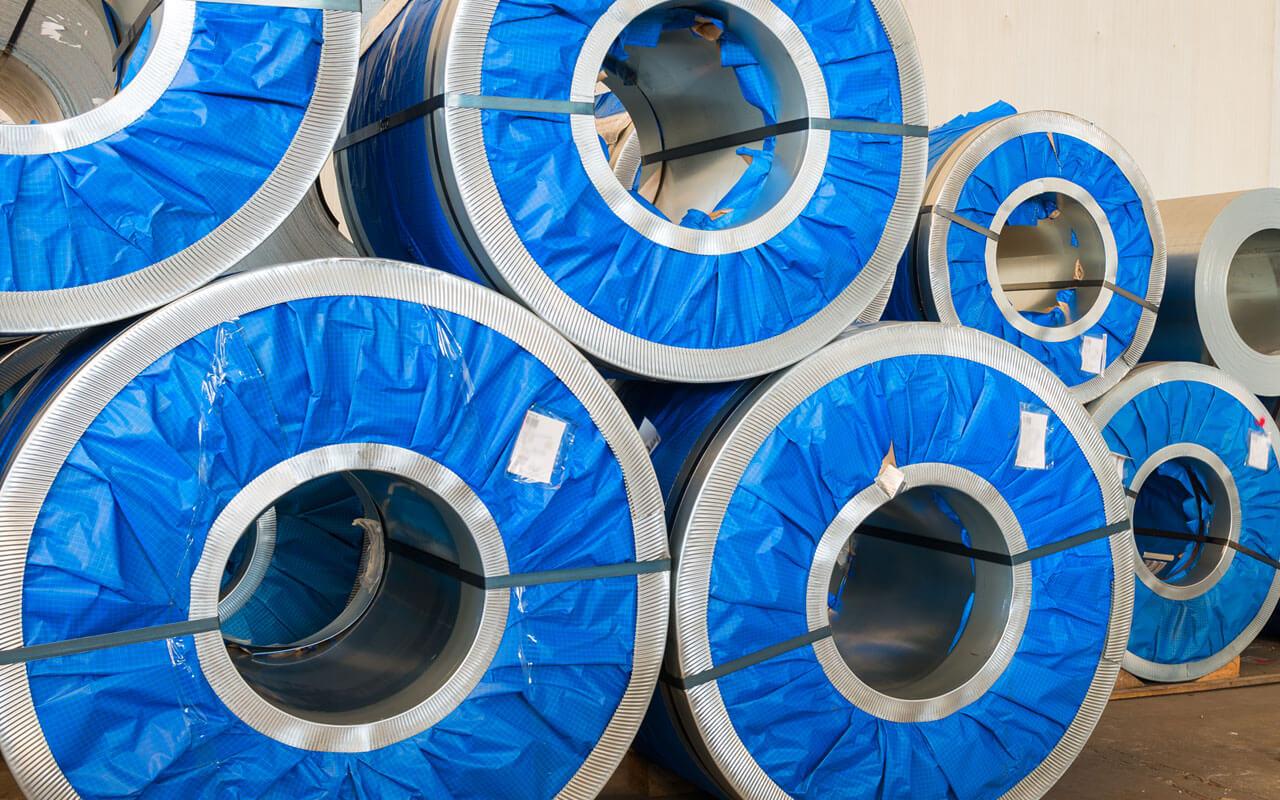
Choosing the right roofing material is an important decision for any industrial construction project. In the UAE, industrial roofs must handle extreme summer heat, strong UV exposure, humidity, dust, and occasional heavy rainfall. This makes material quality and corrosion resistance particularly important.
Galvanized Iron (GI) sheets are widely used for industrial roofing because they offer good strength, corrosion protection, and practical long-term value. However, selecting the right GI sheet involves more than comparing prices. Thickness, zinc coating, steel grade, sheet dimensions, and supplier reliability all influence roofing performance.
If you are sourcing GI coils and sheets in UAE, understanding these factors can help you choose suitable materials, avoid unnecessary expenses, and ensure better project results.
Here are six important factors to consider before purchasing GI sheets for industrial roofing.
1. Check the Thickness of GI Sheets
Thickness is one of the first specifications to consider when selecting GI sheets for industrial roofing. It affects the sheet's rigidity, strength, and ability to withstand external loads.
Thinner sheets may be suitable for certain lightweight roofing applications, while thicker sheets are generally preferred where greater structural rigidity is required.
Before choosing a thickness, consider:
-
Roof span and supporting structure
-
Expected wind loads and environmental conditions
-
Roofing profile and installation method
-
Project specifications and structural requirements
For example, a large industrial warehouse may require different sheet specifications compared to a small workshop.
Always follow the structural engineer's recommendations instead of selecting sheets based only on price.
2. Examine the Zinc Coating Quality
GI sheets are manufactured by applying a protective zinc coating to steel. This coating helps prevent corrosion by protecting the underlying metal from moisture and environmental exposure.
Zinc coating is especially important in the UAE, where coastal humidity and airborne salt can accelerate corrosion.
Common zinc coating designations include:
-
Z120: 120 grams of zinc coating per square metre, based on the total coating mass on both sides.
-
Z180: 180 grams per square metre.
-
Z275: 275 grams per square metre.
Generally, a higher zinc coating mass provides greater corrosion protection, although actual performance also depends on environmental exposure, coating quality, and maintenance.
Before purchasing, check the specified zinc coating mass and request relevant quality documentation from your supplier.
3. Select the Right GI Sheet Grade
Not all GI sheets are manufactured for the same applications. Different steel grades offer different mechanical properties, making grade selection important for industrial roofing.
When evaluating GI sheets, consider:
-
Steel grade and mechanical strength
-
Formability and suitability for profiling
-
Surface finish and coating uniformity
-
Thickness consistency
-
Compliance with relevant material standards
A suitable steel grade helps ensure that sheets can be formed, handled, and installed without unnecessary damage.
For roofing applications, choose material specifically suited to the required forming and structural conditions.
4. Choose the Correct Roofing Profile and Dimensions
GI sheets are available in different profiles and dimensions to suit various industrial roofing designs.
The most common options include:
Corrugated GI Sheets: These have a wave-like profile that improves rigidity and supports rainwater drainage. They are commonly used for industrial sheds and storage facilities.
Trapezoidal GI Sheets: These feature angular ribs and are widely used in warehouses, factories, and commercial buildings.
Custom-Profiled GI Sheets: These are manufactured according to specific project requirements, allowing better alignment with the building's roofing design.
When ordering, confirm the sheet length, effective cover width, thickness, and profile. Correct dimensions help reduce material wastage and make installation more efficient.
Also, consider roof slope, sheet overlap, fastener placement, and drainage arrangements to minimize the risk of water leakage.
5. Consider UAE Weather and Environmental Conditions
Weather conditions should play an important role in selecting GI sheets for industrial roofing.
In the UAE, prolonged exposure to high temperatures and sunlight can affect roofing systems, while humidity and coastal salt exposure can increase corrosion risks.
For better roofing performance:
-
Select an appropriate zinc coating for the exposure conditions.
-
Check whether an additional protective paint system is required.
-
Ensure proper roof ventilation and drainage.
-
Avoid damaging the protective coating during transportation and installation.
-
Inspect roofing sheets periodically for scratches, corrosion, and loose fasteners.
For industrial buildings near coastal areas or exposed to chemical environments, discuss additional corrosion protection with your roofing specialist.
6. Choose a Reliable Steel Stockist in UAE
Even high-quality GI sheets may create problems if they do not meet the required specifications. This is why choosing the right steel stockist in UAE is just as important as selecting the material.
A dependable supplier should offer consistent product quality, accurate specifications, and reliable delivery.
Before finalizing your purchase, check the following:
-
Product availability: Confirm whether the required GI sheet thickness, grade, and coating are available.
-
Quality certificates: Request mill test certificates and relevant material documentation.
-
Product range: Check whether the supplier offers GI coils, sheets, and different dimensions.
-
Technical assistance: Choose a supplier who understands industrial steel requirements.
-
Delivery reliability: Ensure materials can be delivered according to your project schedule.
It is also worth comparing quotations from multiple suppliers. However, consider product specifications, service, and delivery commitments rather than focusing only on the lowest price.
Conclusion
Selecting the right GI sheets for industrial roofing in the UAE requires careful attention to thickness, zinc coating, steel grade, roofing profile, and environmental conditions. These factors directly influence the durability, corrosion resistance, and overall performance of the roofing system.
Before placing a bulk order, verify the material specifications and choose a dependable steel stockist in UAE who can meet your project requirements.
Frequently Asked Questions (FAQs)
1. Which GI sheets are suitable for industrial roofing in the UAE?
GI sheets with suitable steel grades, consistent thickness, and appropriate zinc coating are commonly used for industrial roofing. The final selection depends on roof design, structural requirements, and environmental exposure.
2. What zinc coating is recommended for GI roofing sheets?
Zinc coating options such as Z120, Z180, and Z275 are available. Higher coating mass generally provides better corrosion protection, but the appropriate specification depends on the building's location and exposure conditions.
3. Are GI sheets suitable for the UAE's hot climate?
Yes. GI sheets are widely used in industrial roofing across the UAE. However, proper coating selection, roof insulation, ventilation, and installation are important for managing heat and maintaining long-term performance.
4. What should I check before buying GI coils and sheets in UAE?
Check the steel grade, sheet thickness, zinc coating mass, dimensions, surface quality, and material certificates. Also, evaluate supplier availability, pricing, and delivery reliability before placing an order.

 English
 Arabic
 French
 Spanish
 Portuguese
 Deutsch
 Turkish
 Dutch
 Italiano
 Russian
 Portuguese (Brazil)
 Greek